





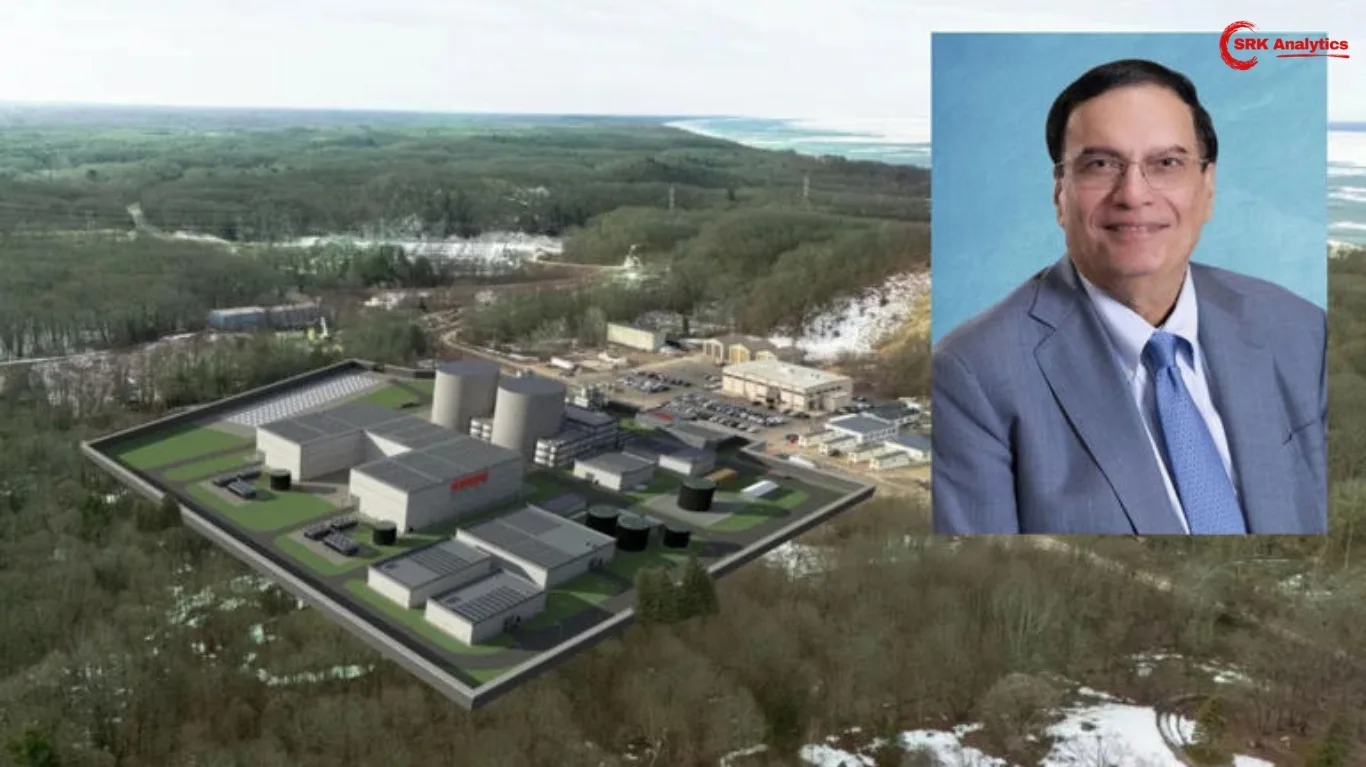
India is preparing for a transformative leap in clean energy with Holtec International’s announcement to establish a nuclear equipment plant in Gujarat. The project is designed to manufacture 200 Small Modular Reactors (SMRs), a move that could redefine India’s nuclear energy future and strengthen its global standing in advanced nuclear technology.
India’s Nuclear Energy Roadmap
India’s energy demand continues to rise rapidly, driven by industrial growth and urbanization. While coal and fossil fuels have historically dominated, the government is now prioritizing clean energy solutions. Nuclear power, particularly SMRs, offers a reliable, low-carbon alternative that complements solar and wind energy.
SMRs are seen as the next-generation nuclear solution because they are safer, more flexible, and cost-effective compared to traditional reactors. Holtec’s Gujarat plant will be a cornerstone in India’s journey toward Net Zero 2070.
What Makes SMRs Unique?
- Compact Size: Smaller than conventional reactors, making them easier to deploy.
- Enhanced Safety: Passive cooling systems reduce risks of overheating.
- Scalability: Can be installed in clusters to meet demand growth.
- Cost Efficiency: Lower upfront investment compared to large nuclear plants.
- Versatility: Suitable for remote regions and industrial hubs.
Holtec’s Gujarat Plant: Key Features
- Location: Gujarat, India
- Production Goal: 200 SMRs
- Partnerships: Collaboration with Indian industries for technology transfer
- Employment: Thousands of jobs expected in manufacturing and operations
- Export Potential: India could become a global supplier of SMRs
Strategic Importance for India
- Energy Security: Reduces dependence on imported fossil fuels.
- Climate Commitment: Supports India’s emission reduction targets.
- Industrial Growth: Strengthens local manufacturing and supply chains.
- Global Leadership: Positions India as a hub for nuclear innovation.
Traditional Reactors vs. SMRs
| Feature | Traditional Reactors | Small Modular Reactors (SMRs) |
|---|---|---|
| Size | Large-scale | Compact, modular |
| Construction Time | 8–10 years | 3–5 years |
| Safety | Higher risk | Enhanced passive safety |
| Cost | Very high | Relatively lower |
| Flexibility | Limited | Highly scalable |
| Deployment | Centralized | Distributed & remote |
Gujarat’s Role in Nuclear Manufacturing
Gujarat has already established itself as a hub for industrial growth and renewable energy. The nuclear equipment plant will further elevate its status by:
- Creating new industrial clusters.
- Generating employment opportunities.
- Attracting global investments.
- Strengthening India’s export potential in nuclear technology.
Economic Benefits
| Sector | Expected Impact |
|---|---|
| Manufacturing | Boost in local production |
| Employment | Thousands of jobs |
| Technology Transfer | Access to advanced nuclear know-how |
| Export Revenue | Potential billions annually |
| Infrastructure | Strengthened industrial base |
Global Context
- The US, UK, and Canada are investing heavily in SMRs.
- India’s entry into SMR manufacturing enhances its global competitiveness.
- Holtec’s collaboration ensures India gains access to cutting-edge nuclear technology.
Challenges Ahead
- Regulatory Approvals: Nuclear projects require strict safety clearances.
- Public Perception: Concerns about nuclear safety must be addressed.
- Financing: Large-scale investment needed for infrastructure.
- Skilled Workforce: Training programs essential for advanced nuclear systems.
Future Outlook
Holtec’s Gujarat plant could be a turning point for India’s energy sector. If successful, India may not only meet its domestic energy needs but also emerge as a global exporter of SMRs. This project represents a bold step toward a cleaner, safer, and more sustainable energy future.
Disclaimer
This article is for informational purposes only. It discusses Holtec’s proposed plans for nuclear equipment manufacturing in Gujarat and the potential role of SMRs in India’s energy future. The content does not constitute investment, policy, or technical advice. Readers should verify details from official government and company announcements before making conclusions.