

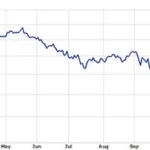



The Indian diaspora withdrew nearly USD 2 billion from local bank deposits in March, marking a significant net outflow that analysts attribute to escalating geopolitical tensions in West Asia. Data released by the Reserve Bank of India (RBI) reveals that total outstanding Non-Resident Indian (NRI) deposits dropped to USD 165.654 billion at the end of March, down from USD 167.579 billion the previous month.
Contextualizing the Capital Shift
For years, NRI deposits have served as a stable pillar of India’s foreign exchange reserves, providing a reliable inflow of capital from the global Indian community. The sudden reversal in March underscores the sensitivity of these funds to regional instability, particularly as conflicts in West Asia create uncertainty regarding global market conditions and currency valuations.
Breakdown of Account Withdrawals
The RBI data highlights a clear trend across different account categories, with Non-Resident External (NRE) Rupee accounts bearing the brunt of the withdrawals. Outstanding NRE deposits fell to USD 98.564 billion in March, compared to USD 99.766 billion in February, while Non-Resident Ordinary (NRO) accounts declined to USD 33.334 billion from USD 34.092 billion. Conversely, Foreign Currency Non-Resident (FCNR) bank accounts remained relatively resilient, edging up slightly to USD 33.756 billion.
Economic Policy and the Currency Debate
This capital movement occurs alongside a volatile period for the Indian rupee, which recently faced pressure before staging a partial recovery aided by RBI intervention. While the central bank has moved to curb excessive volatility, the situation has reignited a debate among leading economists regarding the necessity of currency defense. Former NITI Aayog Vice Chairman Arvind Panagariya has publicly cautioned against allowing the psychological barrier of the Rupee-to-Dollar exchange rate to dictate monetary policy.
Implications for the Financial Sector
The contraction in NRI inflows poses a challenge for liquidity management within the Indian banking sector, as these deposits are often used to fund long-term credit growth. If the trend of net outflows persists, banks may face increased pressure to raise interest rates on NRE and NRO products to incentivize retention, potentially impacting domestic lending margins. Furthermore, the reliance on foreign inflows necessitates a careful balancing act by the RBI to maintain currency stability without depleting foreign exchange reserves prematurely.
Future Outlook and Monitoring
Market observers are now closely watching for updated figures in the coming quarter to determine if the March outflows represent a temporary liquidity adjustment or a structural shift in investor sentiment. Key indicators for the near term include the trajectory of oil prices and the de-escalation of regional conflicts, both of which will dictate whether the Indian diaspora resumes its role as a consistent source of capital inflow or continues to seek safer, more liquid alternatives abroad.