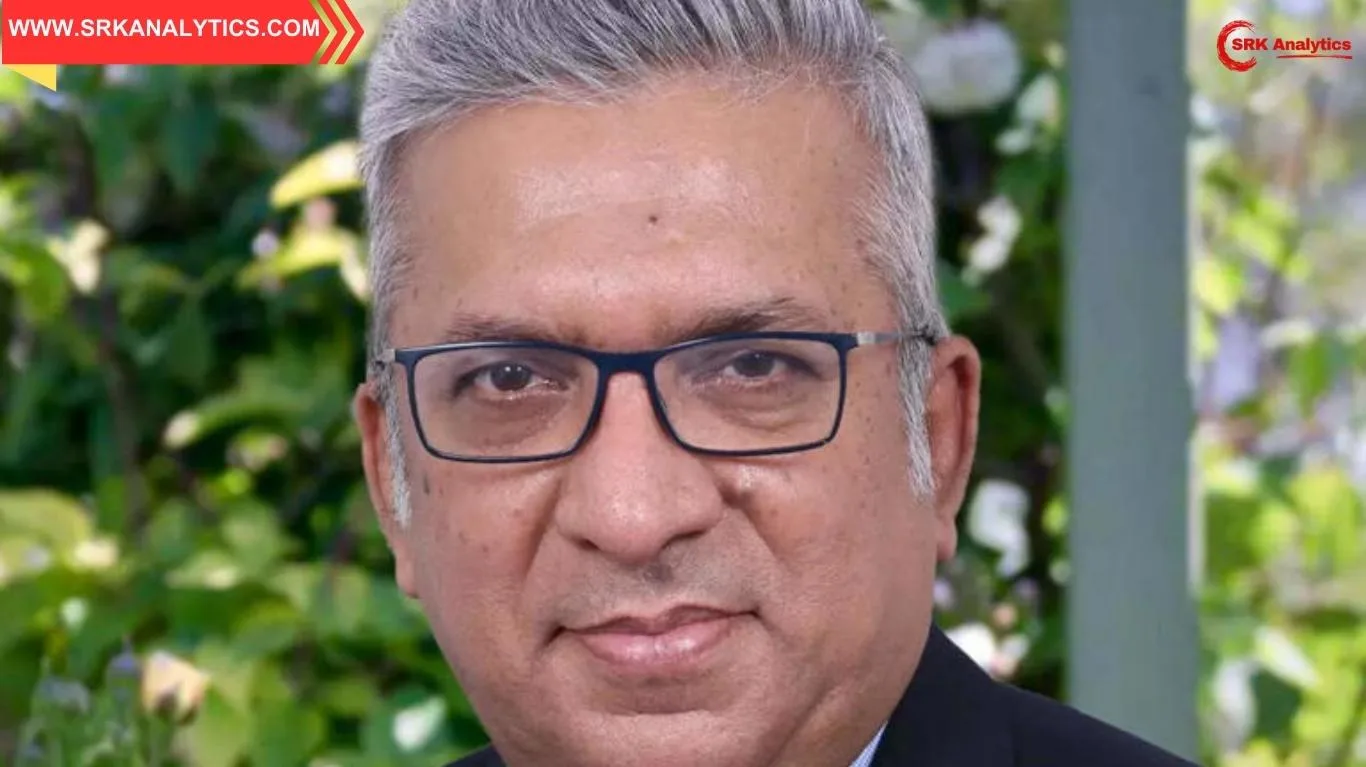






Zerodha co-founder and CEO Nithin Kamath has welcomed the Reserve Bank of India’s decision to raise the limit on loans against shares from ₹20 lakh to ₹1 crore, calling it a progressive move that empowers retail investors and enhances liquidity in capital markets. The announcement, made as part of RBI’s October 2025 monetary policy review, is expected to unlock new avenues for wealth-backed credit and reduce reliance on unsecured borrowing.
Kamath, who has long advocated for financial literacy and responsible leverage, said the move will help investors access capital without liquidating long-term holdings. “This is a great step by the RBI. It allows retail investors to borrow against their equity portfolio in a more meaningful way. It’s safer than unsecured loans and encourages disciplined investing,” he posted on X (formerly Twitter).
RBI’s Revised Share-Backed Loan Norms – Key Highlights
| Parameter | Previous Limit | Revised Limit | Impact on Investors |
|---|---|---|---|
| Loan Against Shares (LAS) | ₹20 lakh | ₹1 crore | 5x increase in borrowing capacity |
| Eligible Securities | Listed equity | Listed equity | No change |
| LTV Ratio | Up to 50% | Up to 50% | Maintained for risk control |
| Applicable Institutions | Banks, NBFCs | Banks, NBFCs | Wider access to LAS products |
| Collateral Requirements | Demat holdings | Demat holdings | No change |
The RBI’s move is seen as part of a broader strategy to deepen retail participation in financial markets and promote asset-backed lending. With over 12 crore demat accounts in India and rising equity ownership among millennials and Tier 2 investors, the enhanced LAS limit could unlock ₹50,000 crore in new credit potential.
Kamath emphasized that while the higher limit is beneficial, investors must use it judiciously. “Leverage is a double-edged sword. Borrowing against shares should be done with a clear repayment plan and not for speculative trading,” he cautioned.
Retail Equity Ownership – India’s Growing Investor Base
| Metric | Value (2025 est.) | YoY Growth (%) | Commentary |
|---|---|---|---|
| Total Demat Accounts | 12.3 crore | +18% | Driven by mobile-first investing |
| Retail Share in NSE Volume | 38% | +3% | Highest in Asia |
| Average Portfolio Size | ₹3.2 lakh | +12% | Rising SIPs and direct equity flows |
| LAS Product Penetration | 4.5% | +1.2% | Expected to rise post RBI revision |
Financial institutions have welcomed the RBI’s decision, with several NBFCs and fintech lenders already planning to revise their LAS offerings. Industry leaders expect a surge in demand for structured loan products that allow investors to monetize their portfolios without selling assets.
The move also aligns with India’s push for formal credit inclusion and digital lending. With SEBI tightening norms around margin trading and speculative leverage, LAS offers a safer alternative for investors seeking liquidity for business, education, or emergency needs.
Use Cases for Share-Backed Loans – Retail Investor Scenarios
| Purpose | Description | Risk Profile |
|---|---|---|
| Business Expansion | MSMEs leveraging equity holdings for working capital | Medium |
| Education Funding | Parents using long-term investments for tuition payments | Low |
| Medical Emergencies | Quick access to funds without selling assets | Low |
| Home Renovation | Liquidity for personal projects | Medium |
| Portfolio Diversification | Strategic reallocation without liquidation | High (if used for trading) |
Social media platforms have seen a spike in discussions around the RBI’s announcement, with hashtags like #ShareBackedLoan, #RBIUpdate, and #NithinKamath trending across investor forums. Financial influencers and advisors are urging users to understand the terms and risks before opting for LAS products.
Public Sentiment – Social Media Buzz on RBI’s LAS Revision
| Platform | Engagement Level | Sentiment (%) | Top Hashtags |
|---|---|---|---|
| Twitter/X | 1.5M mentions | 80% positive | #ShareBackedLoan #RBIUpdate |
| 1.2M interactions | 85% strategic | #RetailInvesting #NithinKamath | |
| 1.1M views | 78% curious | #LoanAgainstShares #InvestorRelief | |
| YouTube | 950K views | 82% informative | #RBIExplained #KamathOnFinance |
Brokerage firms are expected to roll out updated LAS calculators and advisory modules to help clients assess eligibility and risk. Platforms like Zerodha, Groww, and Upstox may integrate LAS options into their dashboards, allowing seamless application and monitoring.
In conclusion, the RBI’s decision to raise the share-backed loan limit to ₹1 crore is a landmark reform for India’s retail investing landscape. With responsible usage and proper financial planning, LAS can become a powerful tool for wealth-backed credit access. Nithin Kamath’s endorsement adds credibility and clarity to the move, reinforcing the importance of investor education and prudent leverage.
Disclaimer: This article is based on publicly available regulatory updates, expert commentary, and social media insights. It does not constitute financial advice or endorsement of any loan product. All quotes are attributed to public figures and institutions as per coverage. Readers are advised to consult certified financial professionals before making borrowing decisions.