



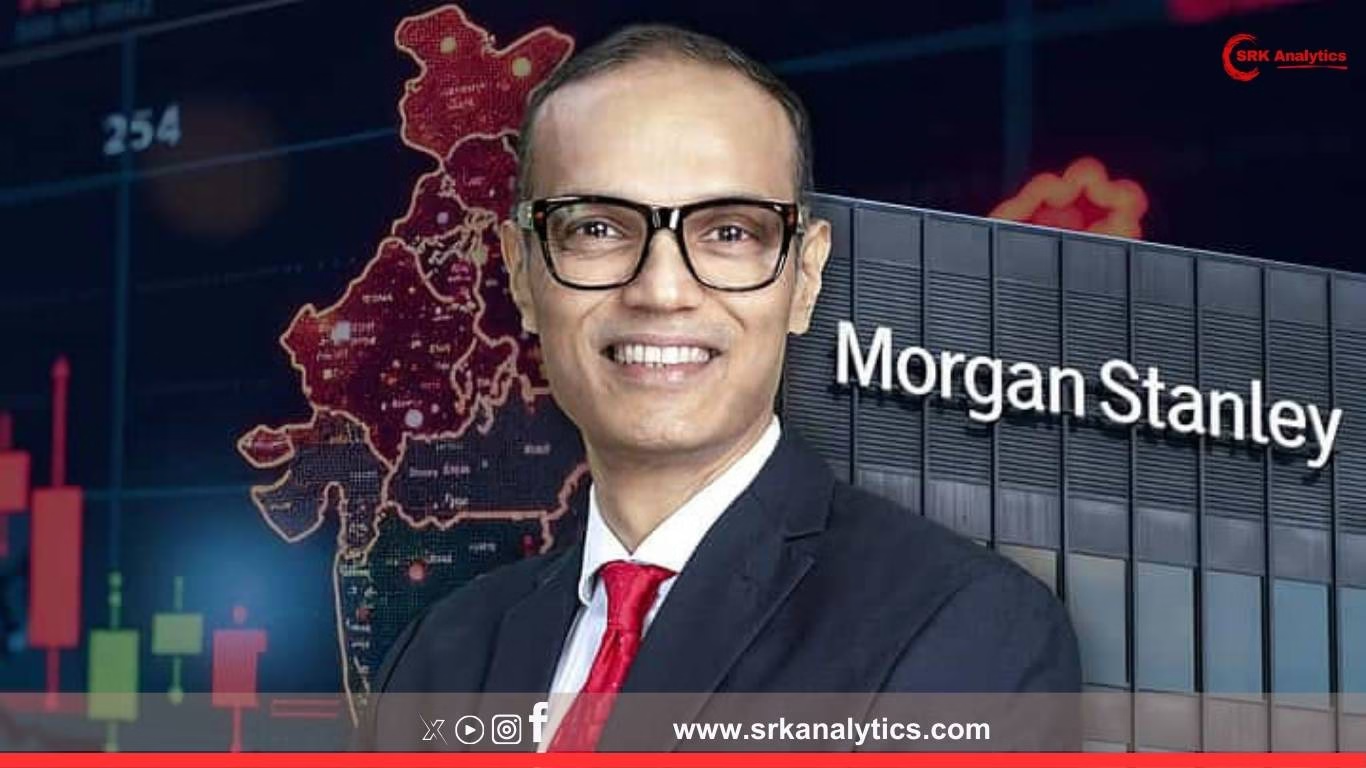
Morgan Stanley’s Chief India Equity Strategist Ridham Desai has doubled down on his bullish stance on India’s economic trajectory, stating that Dalal Street is “underestimating the growth cycle” and that the country’s earnings and market peak are still ahead. Speaking in a recent investor note and media interactions, Desai emphasized that India’s structural transformation is gaining momentum, driven by macro stability, policy continuity, and rising private sector demand.
Despite global headwinds—including trade tensions, tariff hikes, and geopolitical uncertainty—Desai believes India is poised to outperform emerging markets and deliver robust returns to investors. Morgan Stanley has maintained its base-case Sensex target of 89,000 by June 2026, with a bull-case scenario projecting a 1,00,000 mark, implying a potential upside of 12–30% from current levels.
🧭 India’s Growth Cycle: Key Drivers and Market Outlook
| Growth Driver | Contribution to Outlook | Strategic Implication |
|---|---|---|
| Macro Stability | Low inflation, fiscal consolidation | Supports credit growth and investor confidence |
| Policy Continuity | NDA’s third term ensures reform momentum | Predictable environment for equities |
| Private Sector Demand | Rising consumption and capex | Boosts earnings and valuations |
| Digital Infrastructure | UPI, ONDC, fintech expansion | Enhances productivity and inclusion |
| Energy Transition | Renewables and EV adoption | Long-term sustainability and investment |
Desai noted that India’s low beta characteristic makes it an ideal market in uncertain macro conditions, offering downside protection and long-term upside.
🔍 GDP Forecast and Sectoral Trends
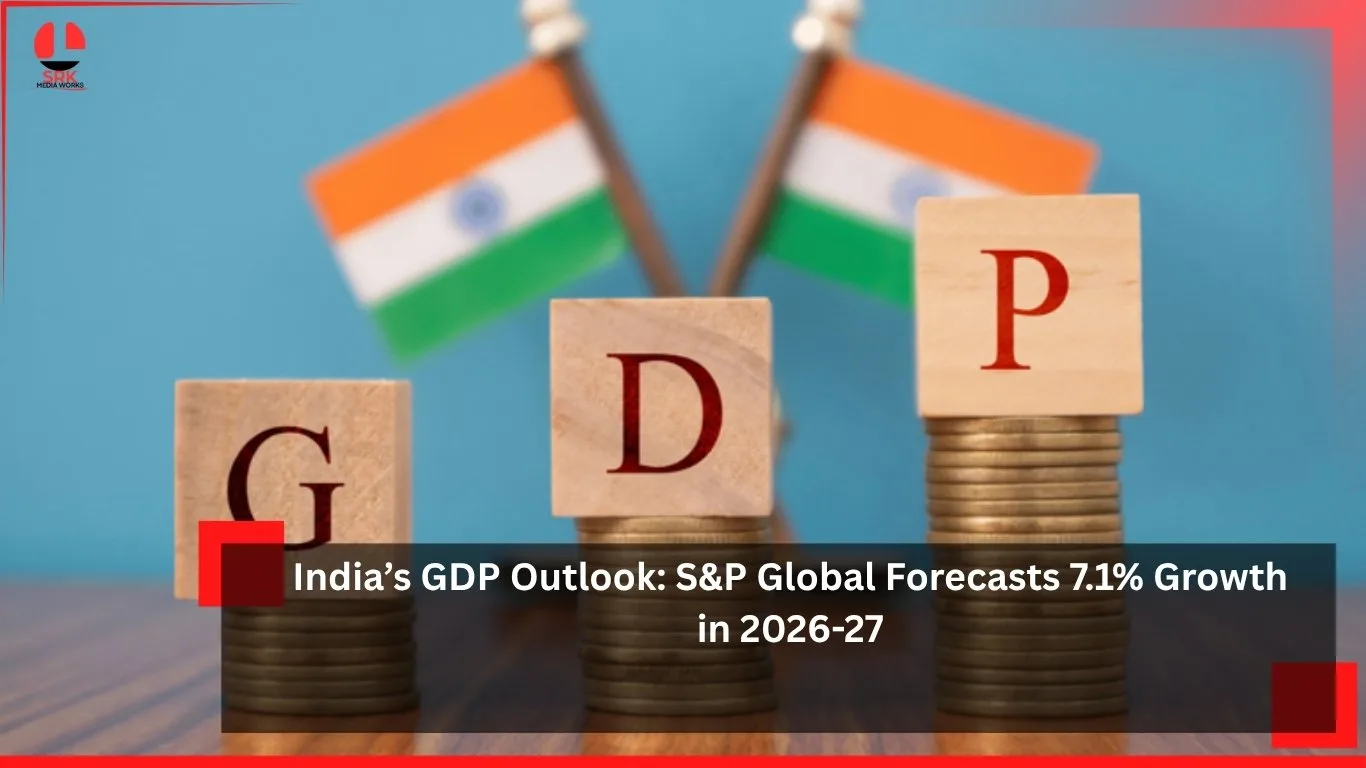
Morgan Stanley has revised India’s real GDP growth forecast for FY26 to 6.7%, up from 6.2%, citing strong Q1 performance and expected GST cuts that could spur domestic demand. The April–June quarter saw a 7.8% YoY growth, with both government and private consumption accelerating.
| Indicator | Q1 FY26 Value | YoY Change | Outlook FY26 |
|---|---|---|---|
| Real GDP Growth | 7.8% | +0.4% | 6.7% |
| Government Consumption | 7.5% | +1.2% | Stable |
| Private Consumption | 7.0% | +0.9% | Rising |
| Gross Fixed Capital Formation | 7.8% | -0.3% | Moderate |
| Net Exports | Negative drag | — | Weak |
Desai emphasized that the composition of growth is shifting, with public spending softening and private sector demand picking up, especially in consumer discretionary and industrials.
📉 Market Valuations and Earnings Potential
Morgan Stanley believes that Indian equities are attractively valued, with the Nifty and Sensex trading below historical averages. The firm expects 20% annual earnings growth over the next five years, driven by financials, industrials, and consumer sectors.
| Metric | Current Level | Historical Average | Implication |
|---|---|---|---|
| Sensex P/E Ratio | 21.5x | 23.5x | Room for re-rating |
| Nifty EPS Growth (FY26) | 18% | 12–15% | Strong earnings cycle |
| Market Cap to GDP Ratio | 95% | 100–105% | Fairly valued |
| FPI Positioning | Lowest since 2000 | — | Contrarian opportunity |
Desai believes that the market has yet to price in several positives, including fiscal consolidation, infrastructure buildout, and deep tech innovation.
🔥 Sectoral Preferences and Investment Strategy
Morgan Stanley’s portfolio strategy favors domestic cyclicals over defensives and external-facing sectors. The firm remains overweight on financials, consumer discretionary, and industrials, while underweighting energy and export-dependent segments.
| Sector | Rating | Rationale |
|---|---|---|
| Financials | Overweight | Credit growth, margin expansion |
| Consumer Discretionary | Overweight | Rising rural demand, festive season boost |
| Industrials | Overweight | Capex revival, infrastructure push |
| Energy | Underweight | Volatility in global oil prices |
| IT Services | Neutral | Recovery in discretionary spending |
Desai also highlighted Mphasis as a top pick in the IT space, citing valuation upside and improving fundamentals.
🧠 Expert Commentary and Global Context
| Expert Name | Role | Comment |
|---|---|---|
| Ridham Desai | Morgan Stanley India Strategist | “India’s growth cycle is underestimated; the peak is ahead.” |
| Meera Iyer | Market Analyst | “India offers a unique blend of stability and growth.” |
| Rajiv Bansal | Equity Consultant | “The re-rating potential is real, especially in mid-caps.” |
Desai’s bullish thesis stands in contrast to global pessimism, with foreign portfolio investors slashing exposure to India even as domestic fundamentals strengthen.
📦 Risks and Mitigating Factors
While the outlook is optimistic, Morgan Stanley cautions against external risks such as US tariffs, geopolitical tensions, and oil price volatility. However, the firm believes these can be offset by domestic policy support and structural reforms.
| Risk Factor | Potential Impact | Mitigation Strategy |
|---|---|---|
| US Tariffs on Indian Goods | Export drag, sentiment hit | GST cuts, domestic demand boost |
| Geopolitical Uncertainty | FPI outflows, volatility | Stable macro, low beta market |
| Oil Price Fluctuations | Inflation, trade deficit | Energy transition, diversified sourcing |
| Global Slowdown | External demand weakening | Focus on internal consumption |
India’s resilience, supported by a functioning democracy and rising entrepreneurial class, remains a key anchor for long-term growth.
📌 Conclusion
Morgan Stanley’s Ridham Desai has reaffirmed his conviction that India’s growth story is far from over. With structural reforms, macro stability, and rising private sector demand, India is poised to deliver strong earnings and market performance. As global investors remain cautious, Desai’s bullish thesis offers a compelling counter-narrative—one that sees India not just as a safe haven, but as a growth engine for the next decade.
—
Disclaimer: This article is based on publicly available investment research and market commentary as of September 2, 2025. It is intended for informational purposes only and does not constitute financial advice or investment recommendations.