

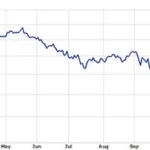


The Moneycontrol Eco Pulse index climbed to 51.6 in April, signaling a return to the expansion zone after a period of volatility. This recovery, driven primarily by robust manufacturing activity and a surge in exports, demonstrates the resilience of the Indian economy despite ongoing geopolitical tensions in West Asia and a cooling trend in urban consumption.
Contextualizing the Economic Shift
The Eco Pulse index serves as a high-frequency tracker of India’s economic health, synthesizing multiple indicators to provide a real-time snapshot of growth. After facing headwinds in previous months, the index has managed to cross the 50-point threshold, which differentiates economic contraction from expansion.
This rebound follows a period where supply chain concerns and inflationary pressures threatened to dampen industrial output. However, the recent data suggests that domestic industrial capacity and global demand for Indian goods have successfully countered these external risks.
Manufacturing and Exports Lead the Charge
Manufacturing remains the primary engine of this growth, with purchasing managers’ indices (PMI) consistently showing strong order books. Factories are operating at higher capacity utilization rates as firms fulfill both domestic and international contracts.
Exports have emerged as a critical pillar of support. Despite disruptions in key shipping routes through West Asia, Indian exporters have leveraged diversified markets to maintain momentum. This export-led growth has provided a necessary cushion for the broader economy.
Shifting Consumer Dynamics
While urban consumption has shown signs of moderation, rural demand has provided a surprising and welcome offset. Analysts point to a stabilization in rural income levels and improved agricultural performance as key drivers for this shift in spending patterns.
The moderation in urban markets is often attributed to high-interest rates and a saturation in discretionary spending. However, the strength in the industrial sector suggests that employment levels remain stable, which could eventually lead to a rebound in urban demand later in the fiscal year.
Expert Perspectives on Future Stability
Market analysts note that the index’s return to 51.6 is a testament to the structural reforms implemented over the past several years. By diversifying trade routes and strengthening the manufacturing base through incentives, the economy has become better insulated against regional shocks.
Data points from the latest report indicate that input costs remain manageable, preventing a major spike in factory-gate prices. This stability is crucial for maintaining the competitive edge of Indian manufacturers in the global market.
Looking Ahead: Monitoring Global Headwinds
The trajectory for the remainder of the quarter will depend heavily on whether the current export momentum can be sustained. Stakeholders are closely watching the situation in West Asia, as any further escalation could impact freight costs and supply chain efficiency.
Furthermore, investors will be monitoring upcoming central bank policy decisions for clues on interest rate movements. If inflation remains within target ranges, a potential easing of monetary policy could provide the necessary stimulus to reinvigorate urban consumption and push the Eco Pulse index higher in the coming months.