




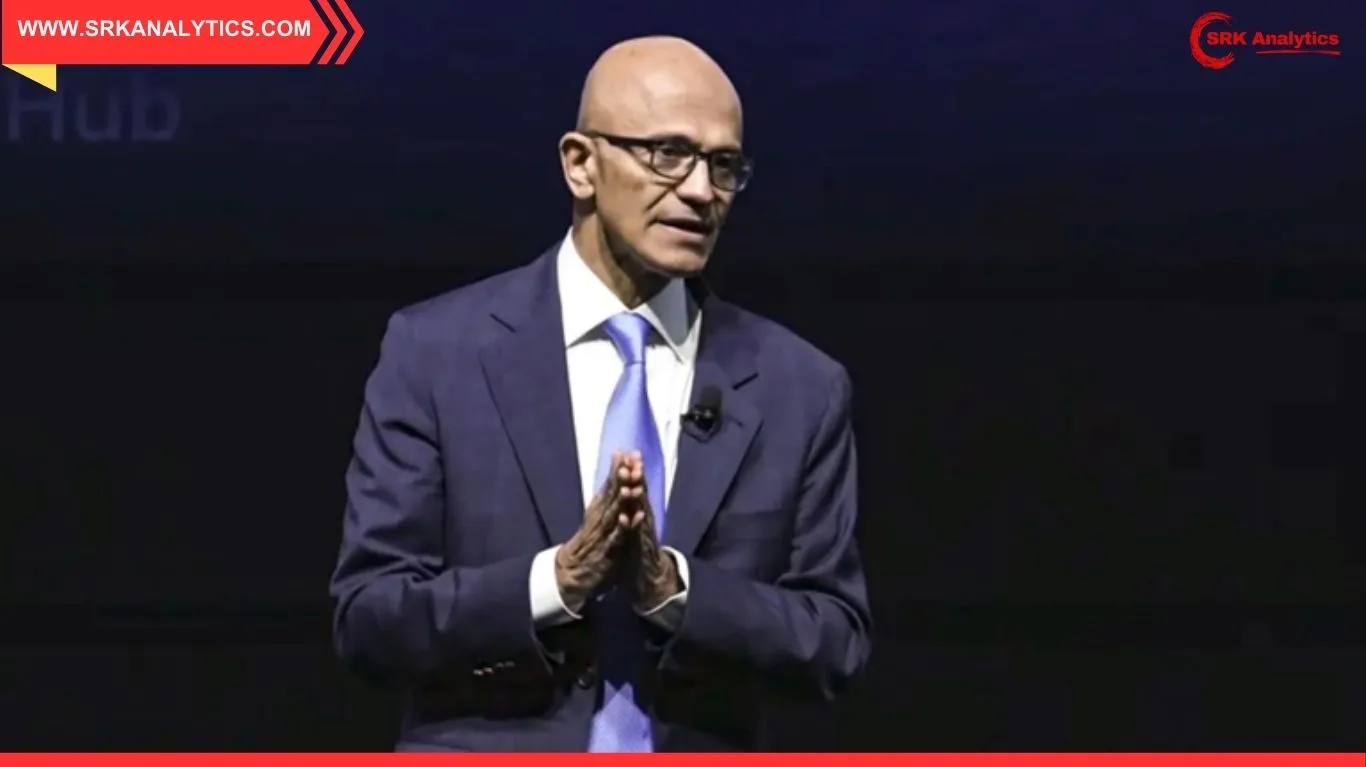
A fresh controversy has emerged around Microsoft CEO Satya Nadella’s compensation package, as the company’s 8th largest shareholder, Norway’s $2 trillion Sovereign Wealth Fund, publicly opposed the salary hike and Nadella’s dual role as both CEO and Chairman of the Board. The fund argued that the board of directors is responsible for ensuring transparency and accountability in executive pay, and raised concerns about governance practices at one of the world’s most valuable technology companies.
Background of the Dispute
- Nadella’s compensation package reportedly reached $96.5 million in 2025, a significant increase compared to previous years.
- The Sovereign Wealth Fund voted against Microsoft’s proposals to approve Nadella’s pay and his re-election as board chair.
- Despite the opposition, Microsoft shareholders overwhelmingly approved the package, citing Nadella’s leadership in advancing AI, cloud computing, and enterprise solutions.
- The fund’s stance highlights growing investor scrutiny over executive pay in global corporations.
Key Concerns Raised by the Shareholder
| Concern | Details | Implication |
|---|---|---|
| Executive Pay Transparency | Lack of clarity in compensation structure | Risk of shareholder dissatisfaction |
| Dual Role of CEO & Chair | Concentration of power in one individual | Weakens board independence |
| Governance Oversight | Board accountability questioned | Potential reputational risk |
| Long-Term Value Creation | Focus on short-term rewards | May affect sustainable growth |
Microsoft’s Defense
- The board justified Nadella’s pay hike by pointing to record revenues, strong cloud growth, and AI leadership.
- Nadella has been credited with transforming Microsoft into a trillion-dollar company, expanding its market share in enterprise software and cloud services.
- Supporters argue that his compensation reflects the scale of responsibility and success under his leadership.
Global Context of Executive Pay
| Company | CEO Compensation (2025) | Shareholder Reaction |
|---|---|---|
| Microsoft | $96.5 million | Mixed, with Norway’s fund opposing |
| Apple | $85 million | Approved, minor concerns |
| Alphabet | $92 million | Approved, governance debates |
| Amazon | $88 million | Approved, scrutiny over worker pay |
| Meta | $78 million | Criticism over performance vs. pay |
Executive pay remains a contentious issue globally, with investors increasingly demanding accountability and alignment with long-term shareholder value.
Why the Opposition Matters
- Norway’s Sovereign Wealth Fund is one of the world’s largest institutional investors, with significant influence in corporate governance debates.
- Its opposition signals broader concerns about executive compensation practices in tech giants.
- The move could encourage other institutional investors to scrutinize Microsoft’s governance structure.
Expert Reactions
- Governance analysts: Warned that combining CEO and Chair roles reduces board independence.
- Economists: Highlighted the growing gap between executive pay and average employee wages.
- Investors: Some supported Nadella’s pay, citing his transformative leadership, while others echoed concerns about transparency.
- Policy advocates: Called for stricter regulations on executive compensation disclosures.
Strategic Implications for Microsoft
- The controversy may push Microsoft to reconsider governance practices, including separating the roles of CEO and Chair.
- Increased scrutiny could lead to greater transparency in compensation structures.
- Shareholder activism may influence future board decisions, especially in areas of executive pay and accountability.
Lessons for Corporations
- Transparency is critical: Clear communication of compensation structures builds trust with shareholders.
- Board independence matters: Separating CEO and Chair roles strengthens governance.
- Long-term focus: Aligning executive pay with sustainable growth ensures investor confidence.
- Stakeholder engagement: Listening to shareholder concerns prevents reputational damage.
Broader Economic Context
- Executive pay debates are intensifying globally, especially in the tech sector.
- Investors are increasingly demanding alignment between pay and performance.
- The Microsoft case reflects a larger trend of shareholder activism in corporate governance.
- As AI and digital transformation reshape industries, leadership compensation will remain under the spotlight.
Conclusion
The opposition by Microsoft’s 8th largest shareholder to Satya Nadella’s salary hike underscores the growing tension between executive compensation and shareholder expectations. While Nadella’s leadership has undeniably transformed Microsoft into a global powerhouse, the debate highlights the importance of transparency, governance, and accountability. As corporations navigate the balance between rewarding leadership and ensuring fairness, the Microsoft case serves as a reminder that shareholder voices can shape the future of corporate governance.
Disclaimer
This article is intended for informational purposes only and does not constitute financial advice. Executive compensation and governance practices are subject to shareholder decisions, regulatory frameworks, and company performance. Readers are encouraged to consult official filings and expert analysis for accurate information. The author and publisher are not responsible for any financial decisions made based on this article.