
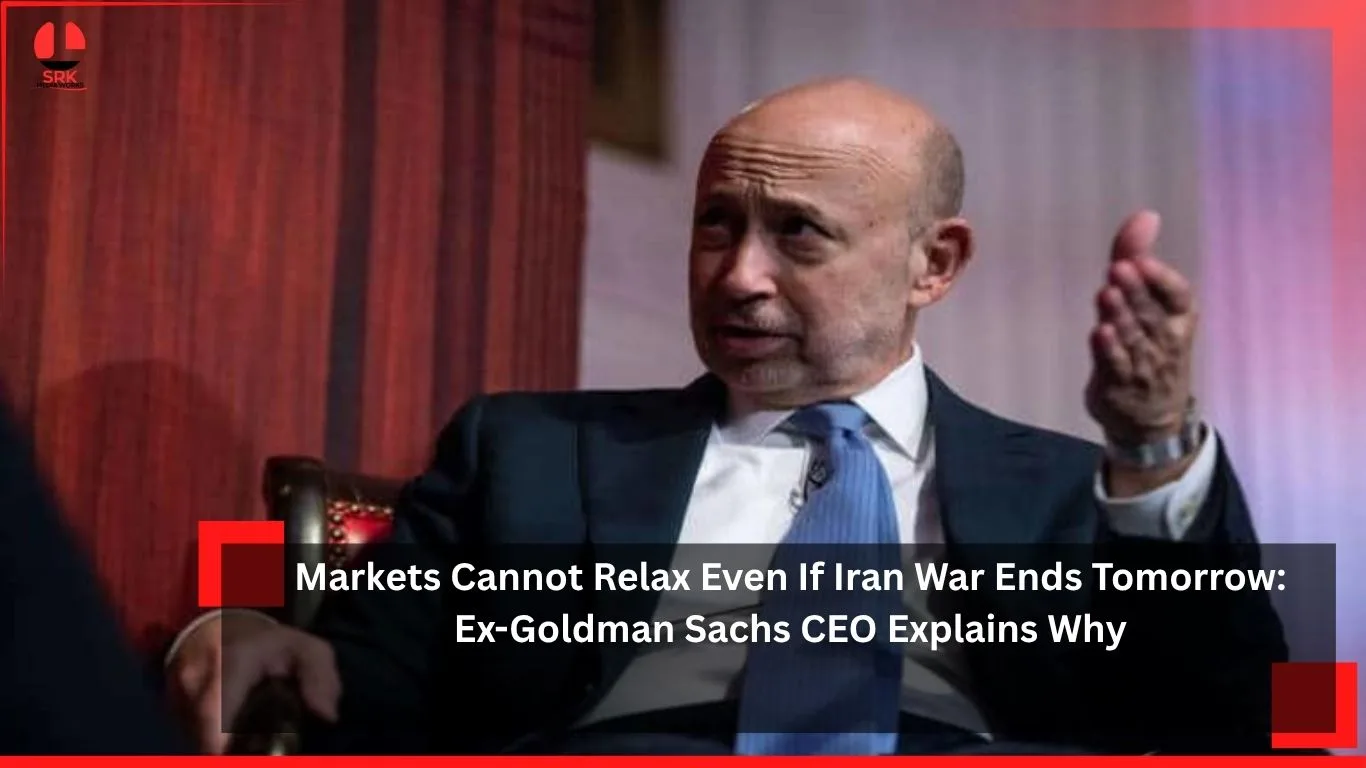
Global markets are facing a period of heightened uncertainty, and according to a former Goldman Sachs CEO, the challenges will not disappear even if the ongoing Iran war were to end immediately. His remarks highlight the deeper structural issues in the global economy, ranging from inflationary pressures to geopolitical realignments, that continue to weigh on investor sentiment.
Why Markets Remain Vulnerable
The ex-Goldman Sachs chief emphasized that while the cessation of hostilities in Iran would remove one immediate geopolitical risk, markets are grappling with multiple overlapping crises:
- Persistent Inflation: Rising energy and commodity prices have created long-term inflationary pressures.
- Supply Chain Disruptions: Global trade routes remain vulnerable, particularly in the Middle East.
- Interest Rate Uncertainty: Central banks worldwide are still struggling to balance growth with inflation control.
- Geopolitical Fragmentation: Even if the Iran war ends, tensions between major powers continue to destabilize markets.
Energy Market Implications
Energy markets are particularly sensitive to Middle Eastern conflicts.
- Oil Prices: A war in Iran directly impacts crude oil supply, but even peace will not guarantee stability due to lingering sanctions and production uncertainties.
- Natural Gas: Europe’s reliance on alternative suppliers means volatility will persist.
- Renewable Transition: The push toward renewables is accelerating, but short-term reliance on fossil fuels remains high.
Investor Sentiment
The former Goldman Sachs CEO explained that investor psychology is shaped not only by war but by broader economic fragility.
- Risk Aversion: Investors are moving toward safer assets like gold and US Treasuries.
- Equity Market Pressure: Stock markets remain volatile due to earnings uncertainty.
- Currency Fluctuations: Emerging market currencies are under stress as capital flows shift toward developed economies.
Comparative Analysis of Market Risks
| Risk Factor | Short-Term Impact | Long-Term Impact |
|---|---|---|
| Iran War | Oil price spikes | Regional instability |
| Inflation | Consumer stress | Structural economic slowdown |
| Interest Rates | Borrowing costs | Investment slowdown |
| Geopolitical Fragmentation | Trade disruption | Realignment of global supply chains |
Sector-Wise Impact
| Sector | Current Challenge | Outlook Post-War |
|---|---|---|
| Energy | Volatile oil prices | Continued uncertainty due to sanctions |
| Technology | Supply chain disruptions | Gradual recovery but dependent on global trade |
| Banking | Rising interest rates | Pressure on lending and credit growth |
| Manufacturing | Input cost inflation | Stabilization possible but slow |
| Retail | Consumer demand slowdown | Recovery tied to inflation control |
Why Ending the War Is Not Enough
The ex-Goldman Sachs CEO stressed that markets cannot simply “relax” after a geopolitical event ends because:
- Structural Inflation: Even peace cannot reverse embedded inflationary trends.
- Debt Burden: Governments and corporations face high debt levels that limit flexibility.
- Global Realignment: The world economy is shifting toward multipolarity, creating new uncertainties.
- Investor Skepticism: Confidence takes time to rebuild after prolonged volatility.
Strategic Recommendations for Investors
- Diversify Portfolios: Spread investments across asset classes to reduce risk.
- Focus on Safe Havens: Gold, US Treasuries, and defensive stocks remain attractive.
- Monitor Central Banks: Policy decisions will be critical in shaping market direction.
- Long-Term Perspective: Avoid short-term speculation; focus on structural growth sectors like technology and renewables.
Global Context
- US Markets: Inflation and rate hikes continue to dominate investor concerns.
- European Markets: Energy dependency and geopolitical risks weigh heavily.
- Asian Markets: China’s slowdown and India’s growth trajectory create mixed signals.
- Emerging Markets: Vulnerable to capital flight and currency depreciation.
Conclusion
The end of the Iran war would certainly ease immediate geopolitical tensions, but markets face deeper structural challenges that cannot be resolved overnight. Inflation, interest rate uncertainty, debt burdens, and global fragmentation ensure that volatility will remain a defining feature of the financial landscape. Investors must prepare for a prolonged period of cautious optimism rather than expecting a quick rebound.
Disclaimer
This article is intended for informational purposes only and should not be construed as financial advice. Readers are encouraged to consult professional advisors before making investment decisions. Market conditions are subject to rapid change, and the analysis provided reflects perspectives as of March 2026.