




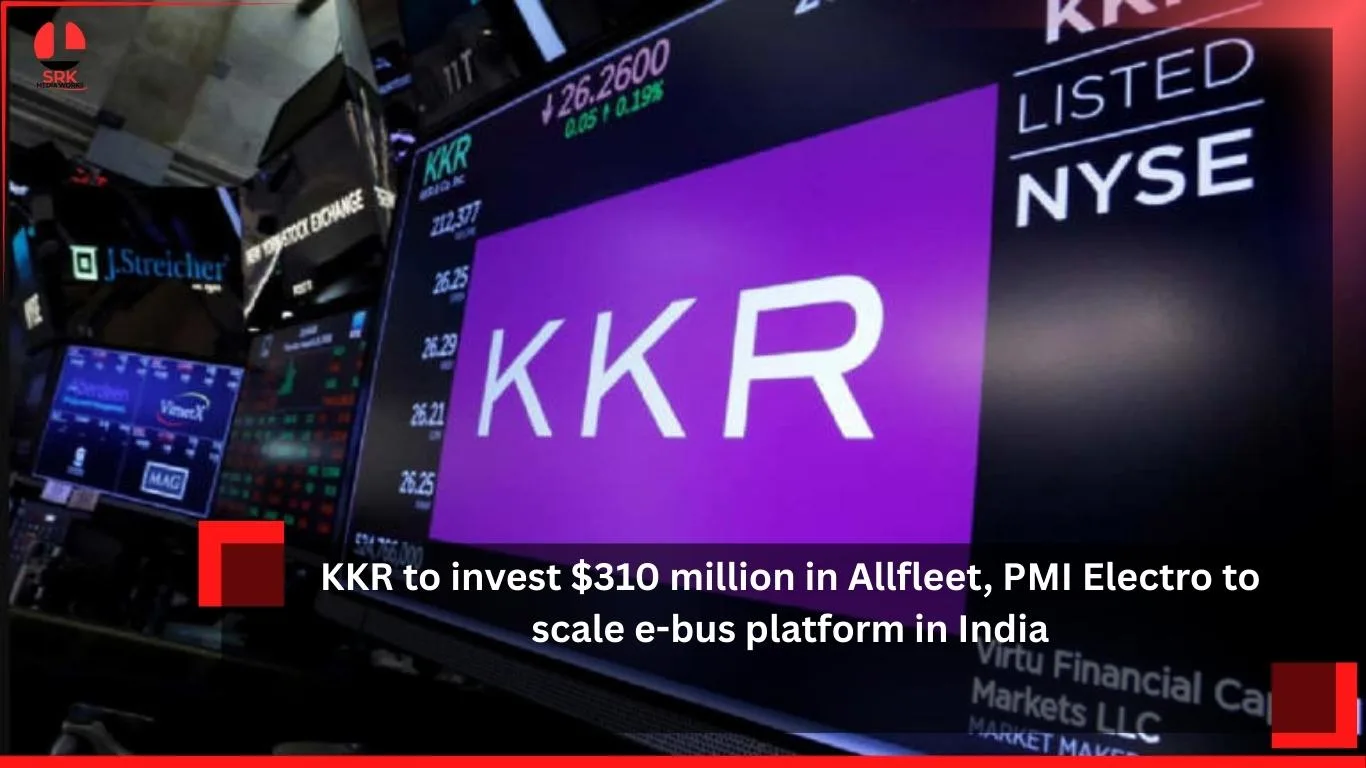
The global investment landscape is witnessing a significant shift toward sustainable mobility, and India is emerging as a key player in this transformation. In a landmark development, KKR, one of the world’s leading investment firms, has announced a $310 million investment in Allfleet, while PMI Electro is set to scale its electric bus (e-bus) platform across India. This dual move signals a strong commitment to green transportation, infrastructure modernization, and the acceleration of India’s electric mobility ecosystem.
The Strategic Importance of KKR’s Investment
KKR’s $310 million infusion into Allfleet is not just a financial transaction—it represents a strategic bet on India’s evolving transportation sector. Allfleet, a company focused on fleet electrification and sustainable logistics, will leverage this capital to expand operations, enhance technology adoption, and strengthen its market presence.
Key objectives of the investment include:
- Expanding electric fleet solutions across major Indian cities.
- Building charging infrastructure to support large-scale deployment.
- Partnering with government and private stakeholders to accelerate adoption.
- Enhancing digital platforms for fleet management and optimization.
This investment aligns with India’s national vision of reducing carbon emissions and achieving net-zero targets by 2070. It also reflects global investor confidence in India’s clean energy and mobility initiatives.
PMI Electro’s Role in Scaling E-Bus Platforms
PMI Electro, one of India’s fastest-growing electric bus manufacturers, is poised to scale its e-bus platform nationwide. With urban centers facing rising pollution levels and increasing demand for public transport, electric buses are becoming a cornerstone of sustainable urban mobility.
PMI Electro’s scaling strategy includes:
- Expanding production capacity to meet rising demand.
- Collaborating with state transport corporations for large-scale deployment.
- Introducing advanced battery technologies for longer range and efficiency.
- Strengthening after-sales service and maintenance networks.
By scaling its e-bus platform, PMI Electro is expected to play a pivotal role in transforming India’s public transport system, reducing dependency on fossil fuels, and improving urban air quality.
Comparative Analysis of KKR and PMI Electro Initiatives
| Aspect | KKR – Allfleet Investment | PMI Electro – E-Bus Scaling |
|---|---|---|
| Capital Commitment | $310 million | Expansion through internal & external funding |
| Focus Area | Fleet electrification, logistics | Public transport electrification |
| Infrastructure Development | Charging networks, fleet management systems | Bus manufacturing plants, service centers |
| Market Impact | Logistics, corporate fleets | Urban commuters, state transport |
| Sustainability Contribution | Reduced emissions in logistics | Cleaner public transport |
Growth Potential in India’s Electric Mobility Sector
India’s electric mobility market is projected to grow exponentially in the coming decade. Factors driving this growth include:
- Government incentives under FAME-II (Faster Adoption and Manufacturing of Hybrid and Electric Vehicles).
- Rising fuel costs pushing demand for alternatives.
- Increasing awareness of climate change and pollution.
- Technological advancements in battery storage and charging infrastructure.
The combined efforts of KKR and PMI Electro are expected to accelerate this growth trajectory, creating a robust ecosystem for electric mobility.
Pivot Analysis: Investment vs. Market Expansion
| Dimension | Investment Impact (KKR) | Market Expansion Impact (PMI Electro) |
|---|---|---|
| Financial Scale | High capital infusion | Moderate but steady scaling |
| Technology Adoption | Advanced fleet management | Battery innovation, bus design |
| Employment Generation | Indirect (tech, infra) | Direct (manufacturing, services) |
| Environmental Benefits | Logistics emissions cut | Urban air quality improvement |
| Long-Term Sustainability | Corporate fleet electrification | Public transport transformation |
Broader Implications for India
The twin developments carry broader implications for India’s economy and society:
- Economic Growth: Investments in clean mobility create jobs, stimulate manufacturing, and attract further foreign capital.
- Environmental Impact: Reduced emissions contribute to cleaner air and healthier cities.
- Global Positioning: India strengthens its position as a leader in sustainable mobility solutions.
- Urban Transformation: Electric buses redefine commuting experiences, making public transport more reliable and eco-friendly.
Challenges Ahead
Despite the optimism, challenges remain:
- High upfront costs of electric vehicles and infrastructure.
- Need for faster charging solutions to match conventional fuel convenience.
- Policy consistency across states to ensure smooth adoption.
- Consumer awareness and acceptance of electric mobility.
Addressing these challenges will require coordinated efforts from government, industry, and investors.
Future Outlook
The partnership between global investors like KKR and domestic innovators like PMI Electro sets the stage for India’s electric mobility revolution. Over the next decade, India could witness:
- Widespread adoption of electric fleets in logistics and corporate sectors.
- Transformation of public transport with thousands of e-buses across cities.
- Integration of renewable energy with charging infrastructure.
- Emergence of India as a global hub for electric mobility innovation.
Disclaimer
This article is intended for informational purposes only. It provides an overview of recent investment and expansion developments in India’s electric mobility sector. The content does not constitute financial advice, investment recommendations, or official corporate statements. Readers are encouraged to verify details independently before making any financial or business decisions.