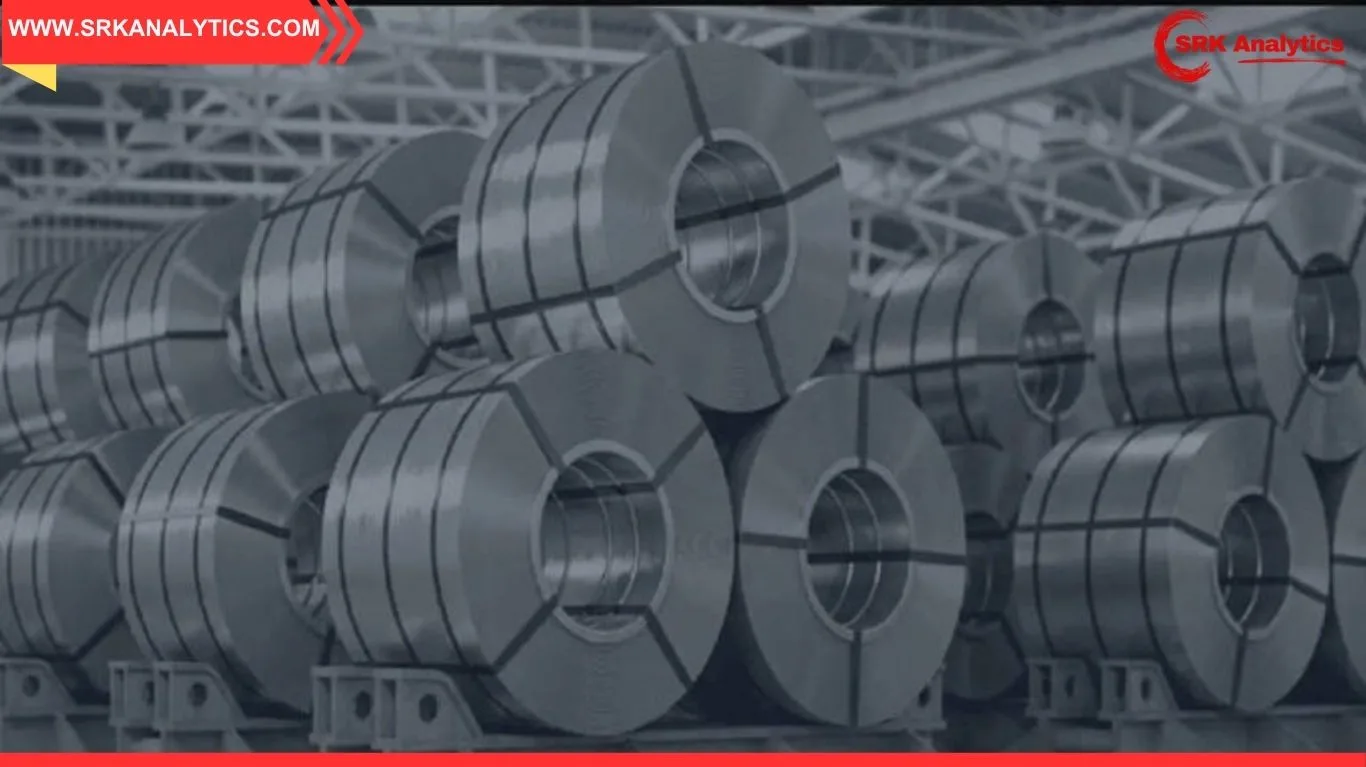
Jindal Stainless Ltd (JSL), India’s largest stainless steel manufacturer, reported a stellar performance for the second quarter of FY26, posting a 32% year-on-year (YoY) jump in consolidated net profit to ₹808 crore. The robust earnings were driven by higher sales volumes, improved product mix, and sustained demand across key user industries including infrastructure, transportation, and white goods.
The company’s revenue from operations rose 11.4% YoY to ₹10,892.78 crore, up from ₹9,776.83 crore in the same quarter last year. Sequentially, revenue increased by 6.7%, while net profit grew 13% compared to the previous quarter, reflecting operational efficiency and market resilience.
Key Financial Highlights: Q2 FY26 vs Q2 FY25
| Metric | Q2 FY26 | Q2 FY25 | YoY Growth |
|---|---|---|---|
| Net Profit | ₹808 crore | ₹611 crore | +32% |
| Revenue | ₹10,892.78 crore | ₹9,776.83 crore | +11.4% |
| EBITDA | ₹1,387.9 crore | ₹1,186.9 crore | +16.9% |
| Operating Margin | 12.7% | 12.1% | +60 bps |
| Sales Volume | 6,48,050 tonnes | 5,64,627 tonnes | +14.8% |
Demand Drivers and Segment Performance
Jindal Stainless witnessed consistent demand across industrial pipes and tubes, metro rail, elevators, railway coaches, and wagons. The white goods segment also showed strong traction, buoyed by festive season demand. Managing Director Abhyuday Jindal emphasized the company’s focus on the domestic market and its strategy to deepen its presence in high-growth sectors.
The company’s product mix optimization and operational efficiency contributed to the margin expansion. The rise in sales volume by nearly 15% YoY further underpinned the revenue growth.
Balance Sheet Strength and Leverage
JSL reported a consolidated net debt of ₹3,646 crore, with a net debt-to-equity ratio of 0.2x, indicating a strong balance sheet and prudent capital management. The company continues to maintain a healthy liquidity position, which supports its ongoing capacity expansion and modernization plans.
Strategic Outlook and Expansion Plans
Jindal Stainless is actively pursuing capacity expansion to meet rising domestic and export demand. The company is investing in backward integration, digital transformation, and sustainability initiatives to enhance competitiveness. It aims to increase its stainless steel melting capacity to over 3 million tonnes per annum in the next two years.
The management reiterated its commitment to ESG goals, including reducing carbon emissions and increasing the use of renewable energy in operations.
Comparative Performance: Indian Steel Sector Q2 FY26
| Company | Net Profit (₹ crore) | Revenue Growth | EBITDA Margin | YoY Profit Growth |
|---|---|---|---|---|
| Jindal Stainless | 808 | +11.4% | 12.7% | +32% |
| Tata Steel | 4,338 | +8.2% | 13.1% | +18% |
| JSW Steel | 2,773 | +6.5% | 11.5% | +12% |
| SAIL | 1,520 | +5.9% | 10.2% | +9% |
Analyst Sentiment and Market Reaction
Despite the strong quarterly performance, shares of Jindal Stainless closed at ₹722.90 on the BSE, down 1.36%, reflecting broader market volatility. Analysts remain bullish on the stock’s long-term prospects, citing its leadership position, strong fundamentals, and strategic growth initiatives.
Brokerages have maintained a “Buy” or “Accumulate” rating, with target prices ranging between ₹800 and ₹850, indicating potential upside from current levels.
Conclusion
Jindal Stainless has delivered a solid Q2 FY26 performance, marked by double-digit profit growth, margin expansion, and volume gains. The company’s focus on operational excellence, product diversification, and market expansion positions it well to capitalize on India’s infrastructure and manufacturing boom. With a strong balance sheet and clear strategic direction, JSL remains a key player to watch in the metals and mining sector.
Disclaimer: This article is based on publicly available financial disclosures and analyst commentary. It does not constitute investment advice. Readers are advised to consult certified financial advisors before making investment decisions.