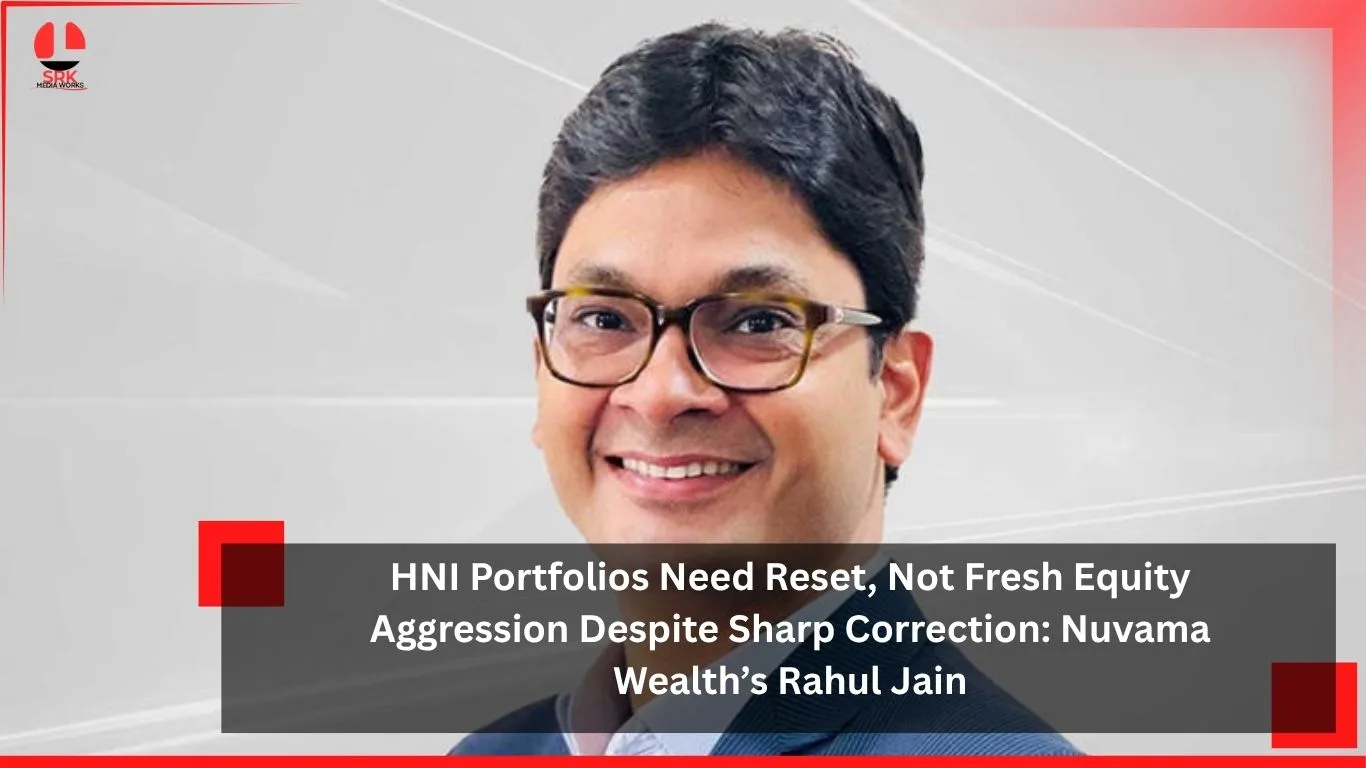






India’s equity markets have been witnessing volatility, with IT stocks appearing oversold and capital markets continuing to show resilience as a structural growth story, according to market expert Nitin Raheja. His insights highlight the contrasting trends across sectors, where technology valuations have corrected sharply, while capital markets are benefiting from long-term structural drivers such as rising retail participation, institutional flows, and digital transformation.
Background
The Indian stock market has seen significant sectoral rotation in recent months. IT companies, once the darlings of investors, have faced headwinds due to global demand slowdown, margin pressures, and cautious client spending. On the other hand, capital markets—driven by exchanges, asset management companies, and brokerage firms—have emerged as a structural growth story, supported by rising domestic savings and financialization of household wealth.
- IT Sector Pressure: Weak global demand, attrition challenges, and pricing pressures.
- Capital Market Strength: Surge in retail investors, mutual fund inflows, and IPO activity.
- Investor Sentiment: Contrasting views on cyclical vs structural growth opportunities.
Why IT Stocks Are Oversold
- Global Slowdown: US and European clients have reduced discretionary IT spending.
- Margin Pressures: Rising employee costs and currency volatility have impacted profitability.
- Valuation Correction: IT stocks have corrected significantly from their peaks, making them oversold.
- Long-Term Potential: Despite near-term challenges, digital transformation, AI, and cloud adoption remain strong growth drivers.
Capital Markets as a Structural Story
- Retail Participation: Millions of new investors have entered equity markets through digital platforms.
- Mutual Fund Growth: Systematic Investment Plans (SIPs) have become a preferred savings tool.
- IPO Pipeline: Strong demand for new listings reflects investor appetite.
- Financialization Trend: Shift from physical assets like gold and real estate to financial instruments.
Comparative Analysis of Sectoral Trends
| Sector | Current Sentiment | Challenges | Long-Term Outlook |
|---|---|---|---|
| IT Services | Oversold | Global slowdown, margin pressures | Strong digital demand |
| Capital Markets | Structural growth | Regulatory compliance | Rising retail & institutional flows |
| Banking | Neutral | NPA concerns, credit growth | Stable with reforms |
| FMCG | Positive | Inflationary pressures | Consistent demand |
| Infrastructure | Positive | Execution risks | Government push supports growth |
IT Valuations vs Capital Market Growth
| Category | IT Sector | Capital Markets | Strategic Implication |
|---|---|---|---|
| Valuation | Oversold, corrected | Rising valuations | Contrasting investor focus |
| Growth Drivers | AI, cloud, digital | Retail participation, IPOs | Different growth cycles |
| Risks | Global demand slowdown | Regulatory oversight | Balanced outlook |
| Investor Strategy | Long-term accumulation | Structural allocation | Diversified portfolio approach |
Reactions from Stakeholders
- Fund Managers: Many believe IT stocks offer value at current levels.
- Retail Investors: Increasingly attracted to capital market-linked companies.
- Analysts: Highlighted the importance of balancing cyclical IT exposure with structural capital market plays.
- Policy Makers: Encouraged financial inclusion, supporting capital market expansion.
Broader Implications
The contrasting trends between IT and capital markets highlight broader themes in India’s economy:
- Sectoral Rotation: Investors are shifting focus from cyclical sectors to structural growth stories.
- Financial Inclusion: Capital markets are benefiting from government and regulatory initiatives.
- Global Sensitivity: IT remains vulnerable to external demand cycles.
- Domestic Strength: Capital markets thrive on domestic savings and participation.
Future Outlook
Analysts predict several possible scenarios:
- IT Sector Recovery: Valuations may rebound as global demand stabilizes and digital adoption accelerates.
- Capital Market Expansion: Continued rise in retail investors and mutual fund inflows.
- Balanced Portfolios: Investors may adopt diversified strategies across IT and capital markets.
- Policy Support: Regulatory reforms could further strengthen financial markets.
Conclusion
Nitin Raheja’s observation that IT stocks are oversold while capital markets remain a structural story captures the essence of India’s evolving equity landscape. While IT faces cyclical challenges, its long-term potential remains intact. Capital markets, on the other hand, are riding a wave of structural growth, driven by retail participation and financialization. For investors, the key lies in balancing cyclical opportunities with structural growth stories to build resilient portfolios.
Disclaimer
This article is based on market insights, public statements, and analytical interpretations. It is intended for informational purposes only and does not represent official positions of financial institutions or government bodies. Market dynamics are subject to change, and interpretations may vary as new information emerges.