




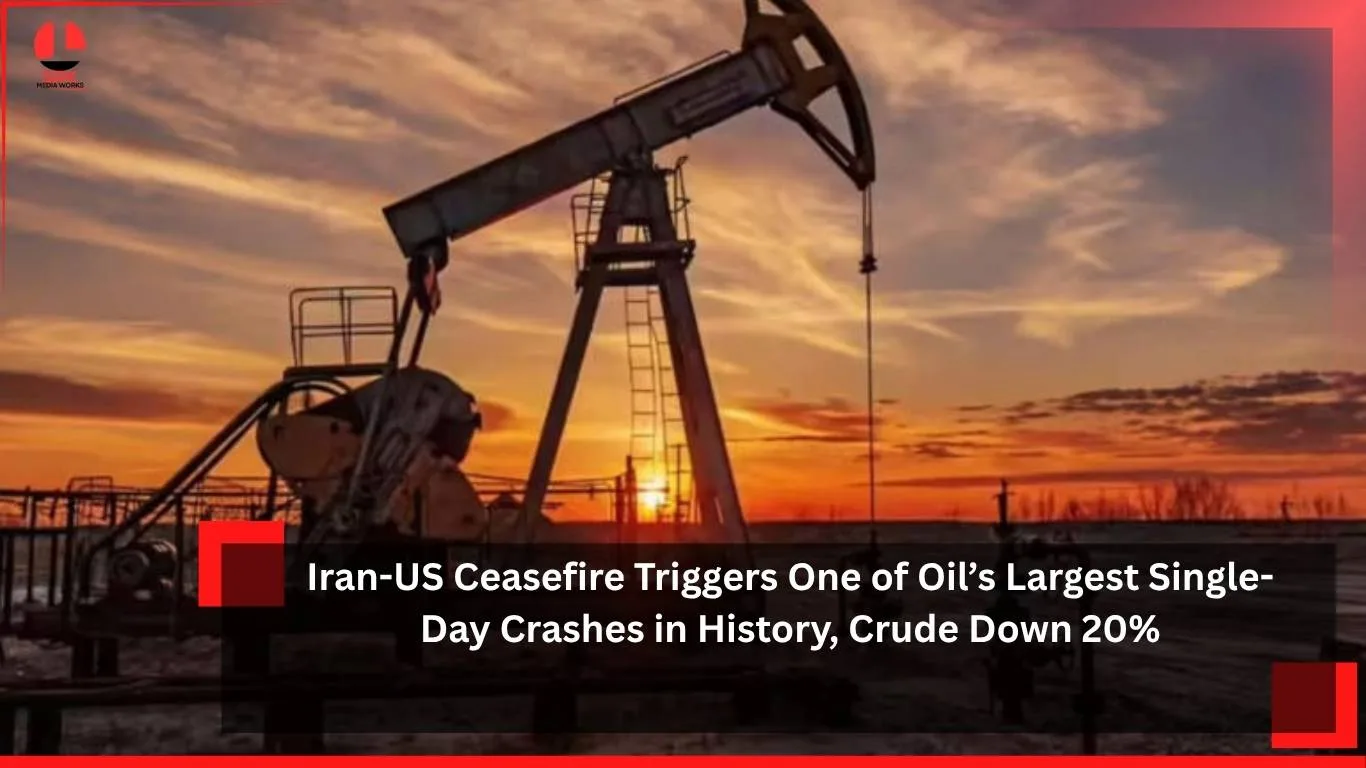
Global energy markets were rocked as the announcement of an Iran-US ceasefire triggered one of the largest single-day crashes in oil prices in history. Crude oil futures plummeted by nearly 20%, wiping billions off energy stocks and reshaping the outlook for producers and consumers worldwide. The dramatic fall reflects how geopolitical tensions — and their sudden resolution — can send shockwaves through commodity markets.
Why Oil Prices Crashed
The ceasefire between Washington and Tehran eased fears of prolonged conflict in the Middle East, a region that supplies a significant share of the world’s oil. Traders who had priced in risk premiums for potential disruptions suddenly reversed positions, leading to a historic sell-off.
Key Drivers of the Crash:
- Risk Premium Evaporation: Markets had factored in supply disruptions; the ceasefire removed that risk.
- Speculative Unwinding: Hedge funds and traders liquidated positions built on expectations of conflict.
- Global Demand Concerns: Slowing demand growth in Asia added downward pressure.
- Strong Dollar: A firmer US dollar made oil more expensive for non-dollar buyers, accelerating the fall.
- Inventory Build-Up: Rising stockpiles in the US and Europe amplified bearish sentiment.
Comparative Analysis: Pre-Ceasefire vs. Post-Ceasefire Oil Market
| Dimension | Pre-Ceasefire | Post-Ceasefire |
|---|---|---|
| Price Trend | Rising on conflict fears | Sharp 20% decline |
| Risk Premium | High, built into futures | Nearly erased |
| Investor Sentiment | Bullish on supply risk | Bearish on oversupply |
| Global Impact | Inflationary pressures | Relief for consumers |
Pivot Analysis: Producers vs. Consumers
| Factor | Oil Producers | Oil Consumers |
|---|---|---|
| Revenue Impact | Severe losses, reduced margins | Lower import bills |
| Economic Effect | Budget strain for exporters | Relief for inflation-hit economies |
| Market Strategy | Cut production, stabilize prices | Increase reserves, capitalize on low prices |
| Future Outlook | Pressure to coordinate output | Boost to growth and consumption |
Impact on Global Economies
- United States: Energy companies saw sharp declines in stock value, but consumers benefit from cheaper fuel.
- Europe: Relief from inflationary pressures, especially in energy-dependent economies.
- Asia: Major importers like India and China welcomed the fall, easing trade deficits.
- Middle East: Oil-exporting nations face budgetary challenges, with revenues slashed overnight.
Stock Market Reaction
Energy stocks bore the brunt of the crash, while transport and manufacturing sectors rallied on expectations of lower input costs. The divergence highlights how oil price volatility redistributes wealth across industries.
Future Outlook
The historic crash raises questions about the sustainability of oil markets:
- Short-Term: Prices may stabilize as producers consider output cuts.
- Medium-Term: Demand recovery in Asia could support prices.
- Long-Term: Transition to renewable energy may reduce reliance on oil, amplifying volatility during geopolitical shifts.
Conclusion
The Iran-US ceasefire triggered one of the largest single-day oil price crashes in history, with crude falling by 20%. While consumers and import-dependent economies benefit from lower prices, producers face severe revenue losses. The event underscores the fragility of global energy markets, where peace can be as disruptive as war.
Disclaimer
This article is an analytical overview based on market assessments and publicly available information. It does not provide financial advice. Readers should consult professional advisors before making investment or trading decisions.