




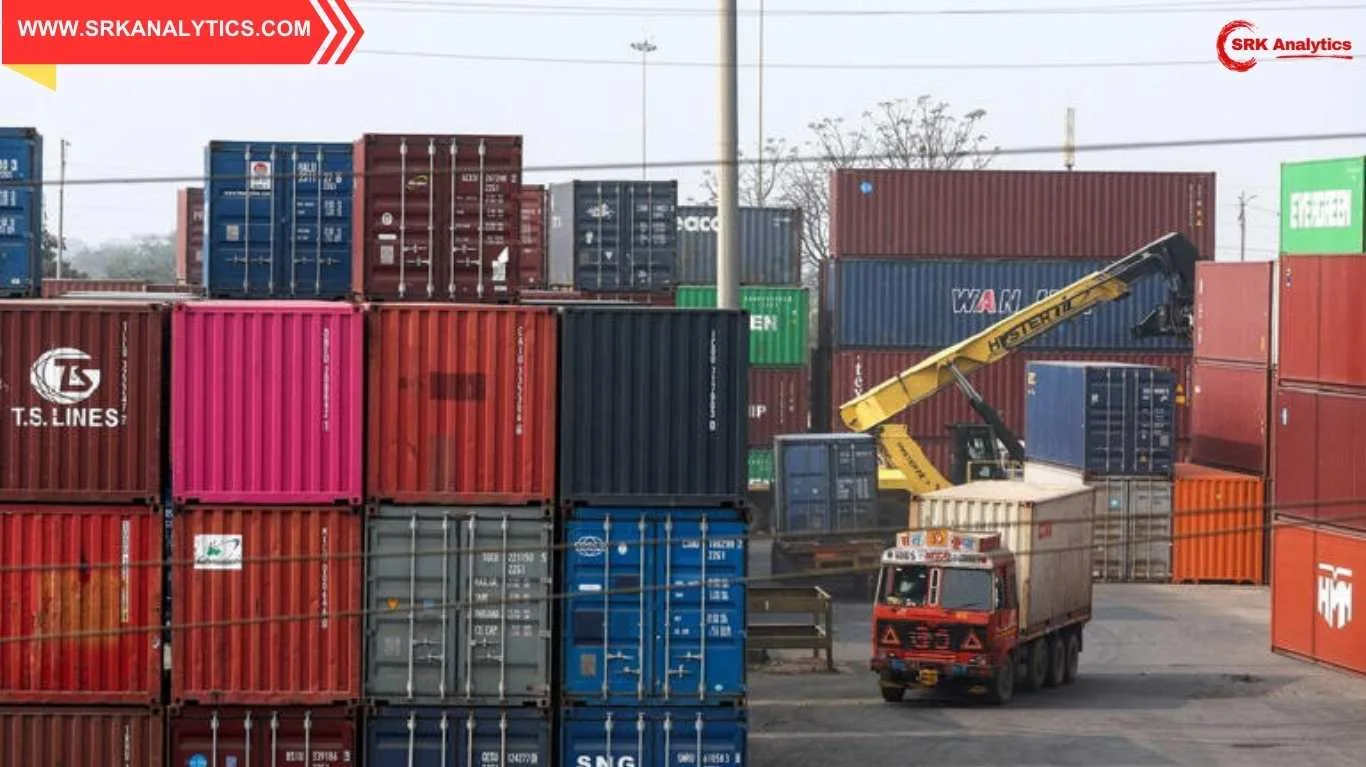
India’s trade deficit surged to $34.7 billion in January, marking one of the sharpest monthly imbalances in recent years. The widening gap between imports and exports has raised concerns about the country’s external sector stability, currency pressures, and the broader economic outlook.
Background
A trade deficit occurs when a country’s imports exceed its exports. For India, January’s figures highlight the challenges of balancing rising import bills with slower export growth.
- Imports Surge: Driven by crude oil, gold, electronics, and machinery.
- Exports Slowdown: Weak demand in global markets, particularly in Europe and Asia, impacted shipments.
- Currency Pressure: The rupee faces depreciation risks as the deficit widens.
Key Drivers of the Deficit
- Crude Oil Imports: Rising global oil prices significantly increased India’s import bill.
- Gold Demand: Seasonal demand for gold added to the deficit.
- Electronics & Machinery: Strong domestic demand for technology and industrial inputs boosted imports.
- Weak Exports: Decline in textiles, gems, and jewelry exports due to global slowdown.
Comparative Analysis of Trade Data
| Category | January 2025 | December 2024 | Change | Impact |
|---|---|---|---|---|
| Imports | $66.2 billion | $61.5 billion | +$4.7 billion | Higher oil & gold demand |
| Exports | $31.5 billion | $32.8 billion | -$1.3 billion | Weak global demand |
| Trade Deficit | $34.7 billion | $28.7 billion | +$6 billion | Widened significantly |
Trade Deficit vs Economic Outlook
| Category | Current Situation | Impact | Strategic Outlook |
|---|---|---|---|
| Currency Value | Rupee under pressure | Possible depreciation | RBI intervention likely |
| Inflation | Rising import costs | Higher consumer prices | Policy adjustments needed |
| Export Sector | Weak global demand | Slower growth | Diversification essential |
| Investment Climate | Deficit concerns | Investor caution | Need for reforms |
Reactions from Stakeholders
- Government Officials: Emphasized the need to boost exports and reduce import dependence.
- Economists: Warned of currency risks and inflationary pressures.
- Industry Leaders: Called for incentives to strengthen manufacturing and exports.
- Global Analysts: Viewed India’s deficit as part of broader emerging market challenges.
Broader Implications
The widening trade deficit has implications across multiple sectors:
- Macroeconomic Stability: Persistent deficits could strain foreign exchange reserves.
- Policy Challenges: Government may need to adjust trade and fiscal policies.
- Global Positioning: India must diversify exports to reduce vulnerability.
- Domestic Industry: Encouraging local production could reduce import dependence.
Future Outlook
Analysts predict several possible scenarios:
- RBI Intervention: Central bank may step in to stabilize the rupee.
- Export Incentives: Government could introduce schemes to boost shipments.
- Import Substitution: Policies to encourage domestic production of electronics and machinery.
- Global Recovery: A rebound in global demand could ease export pressures.
Conclusion
India’s trade deficit widening to $34.7 billion in January underscores the challenges of balancing import demand with export performance. While rising oil and gold imports have inflated the deficit, weak global demand has hurt exports. Policymakers face the dual challenge of stabilizing the currency and boosting export competitiveness. The coming months will be crucial in determining whether India can narrow the gap and strengthen its external sector resilience.
Disclaimer
This article is based on economic data, public reports, and analytical interpretations. It is intended for informational purposes only and does not represent official positions of government institutions or financial authorities. Economic indicators are subject to change, and interpretations may vary as new information emerges.