



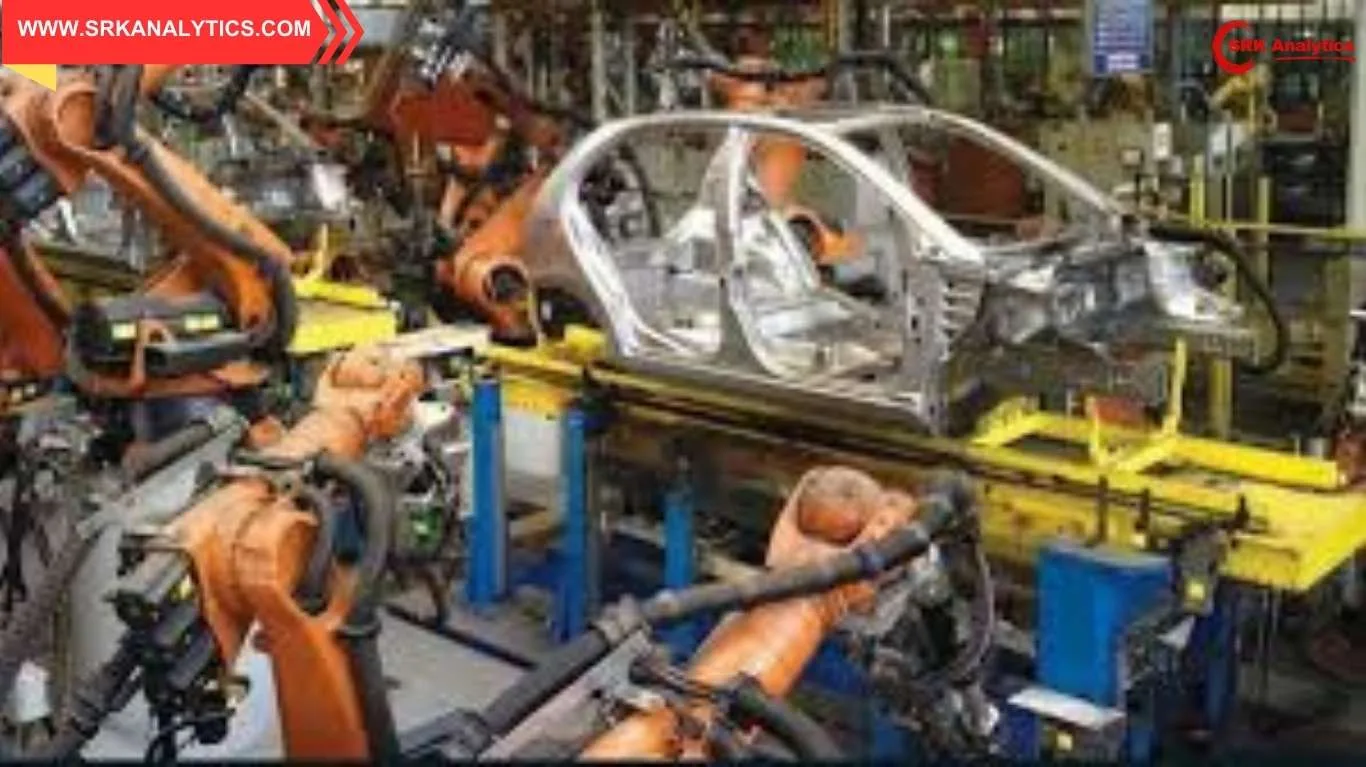
India’s manufacturing sector witnessed a slowdown in December, with activity falling to its lowest level in two years, according to the latest Purchasing Managers’ Index (PMI) data. The decline was primarily attributed to a softer rise in new orders, signaling challenges for the sector amid global uncertainties and domestic demand pressures.
Background of the PMI Report
- The PMI is a key indicator of manufacturing activity, reflecting trends in new orders, output, employment, and inventories.
- December’s PMI reading showed a notable dip compared to previous months, highlighting weaker demand conditions.
- While the sector continues to expand, the pace of growth has slowed significantly, raising concerns about the sustainability of recovery.
- Analysts suggest that both global headwinds and domestic factors such as inflation and cautious consumer spending contributed to the slowdown.
Key Highlights of the PMI Data
| Indicator | Details |
|---|---|
| PMI Level | Lowest in 2 years (December) |
| Primary Cause | Softer rise in new orders |
| Sectoral Impact | Output growth slowed, employment steady |
| Global Influence | Weak external demand, supply chain pressures |
| Domestic Factors | Inflation, cautious consumer sentiment |
Implications of PMI Decline
| Factor | Positive Impact | Challenges | Long-Term Implication |
|---|---|---|---|
| Domestic Demand | Still expanding, though slower | Softer rise in new orders | Need for demand stimulation |
| Employment | Remains steady | Risk of stagnation if slowdown persists | Stability in workforce |
| Global Trade | Opportunities in niche markets | Weak external demand | Diversification of exports |
| Inflationary Trends | Moderation in input costs | Consumer caution | Balanced pricing strategies |
| Policy Response | Scope for supportive measures | Fiscal constraints | Need for structural reforms |
Why the PMI Decline Matters
- Economic Indicator: PMI is a leading measure of economic health, and a decline signals potential challenges.
- Investor Sentiment: Lower PMI readings can affect market confidence and investment decisions.
- Policy Decisions: The slowdown may prompt policymakers to introduce supportive measures for industry.
- Global Integration: India’s manufacturing sector is sensitive to global demand, making external factors critical.
- Employment Stability: While jobs remain steady, prolonged weakness could impact hiring trends.
Sectoral Performance
| Sector | Performance |
|---|---|
| Automotive | Slowed due to weaker demand |
| Textiles | Impacted by global trade pressures |
| Consumer Goods | Softer rise in new orders |
| Heavy Industry | Output growth moderated |
| Pharmaceuticals | Steady demand, resilient performance |
The slowdown was broad-based, though some sectors like pharmaceuticals showed resilience due to consistent demand.
Expert Opinions
- Economists: Warn that the slowdown reflects both global and domestic challenges.
- Industry Leaders: Call for supportive policies to stimulate demand and investment.
- Market Analysts: Suggest that the decline may be temporary if global conditions improve.
- Policy Experts: Highlight the need for structural reforms to strengthen manufacturing competitiveness.
Challenges Ahead
- Global Uncertainty: Weak external demand due to geopolitical tensions and slowing global growth.
- Domestic Inflation: Rising costs continue to affect consumer sentiment.
- Supply Chain Issues: Persistent disruptions in logistics and raw material availability.
- Investment Hesitation: Lower PMI may discourage new investments in the sector.
- Policy Constraints: Limited fiscal space for large-scale stimulus measures.
Opportunities for Growth
- Diversify Exports: Focus on niche markets to offset weak global demand.
- Boost Domestic Demand: Encourage consumer spending through targeted incentives.
- Strengthen Supply Chains: Invest in logistics and infrastructure to reduce disruptions.
- Promote Innovation: Encourage R&D to enhance competitiveness.
- Policy Support: Implement reforms to attract investment and improve ease of doing business.
Broader Context of India’s Economy
- India’s manufacturing sector has been a key driver of growth, supported by government initiatives like “Make in India.”
- The slowdown in December highlights the need for sustained reforms and demand stimulation.
- Despite challenges, India remains one of the fastest-growing economies globally, with potential for recovery in manufacturing.
- The PMI decline serves as a reminder of the sector’s vulnerability to both domestic and global factors.
Public Sentiment
- Businesses expressed concern about weaker demand and rising costs.
- Investors remain cautious but optimistic about long-term prospects.
- Consumers continue to show cautious spending behavior amid inflationary pressures.
- Overall sentiment reflects concern but also resilience, with expectations of policy support.
Conclusion
The fall in India’s manufacturing sector activity to a 2-year low in December, driven by a softer rise in new orders, underscores the challenges facing the industry. While the sector continues to expand, the pace of growth has slowed, raising concerns about demand, investment, and global trade. Policymakers and industry leaders must work together to stimulate demand, strengthen supply chains, and promote innovation. Despite short-term challenges, India’s manufacturing sector retains significant potential for long-term growth, provided structural reforms and supportive measures are implemented.
Disclaimer
This article is intended for informational purposes only and does not constitute official economic or investment advice. Market trends, PMI data, and public sentiments are subject to change based on evolving circumstances. Readers are encouraged to follow official updates for accurate information. The author and publisher are not responsible for any decisions made based on this article.