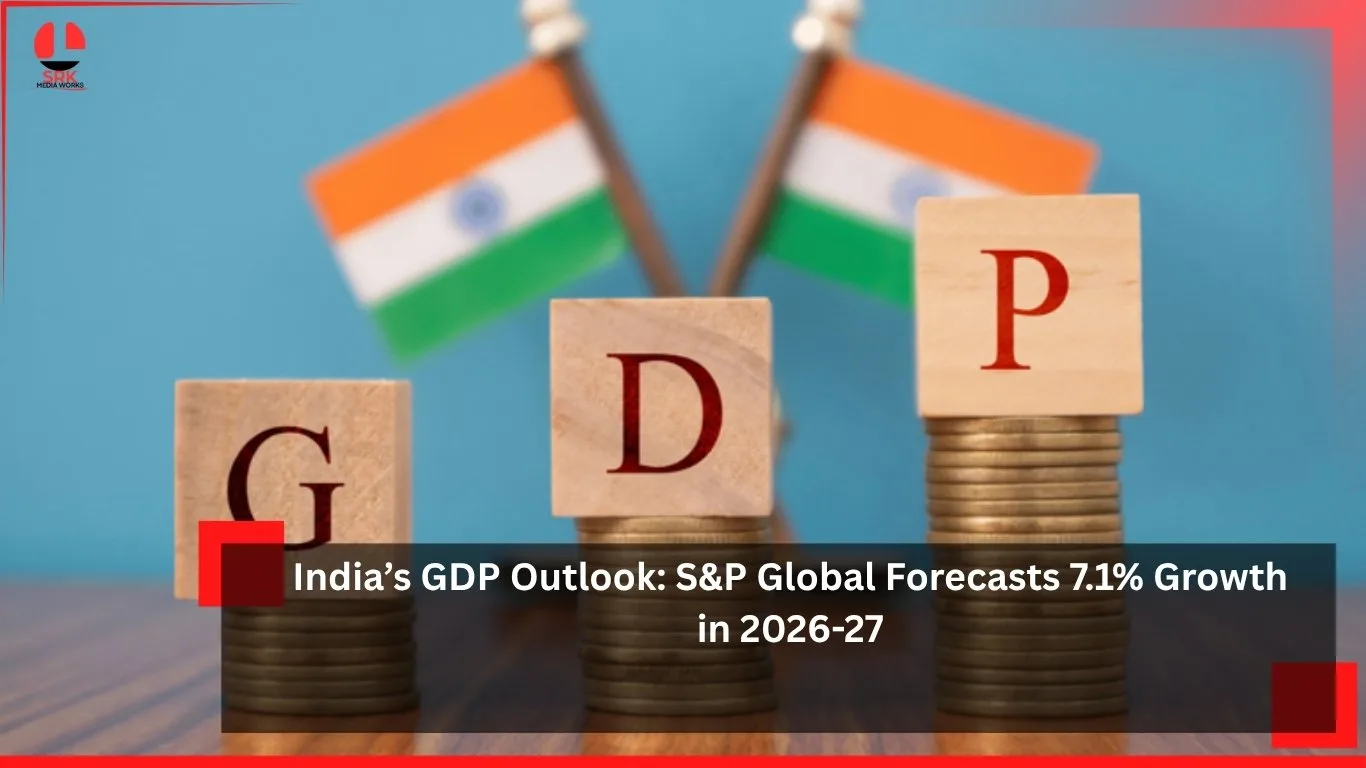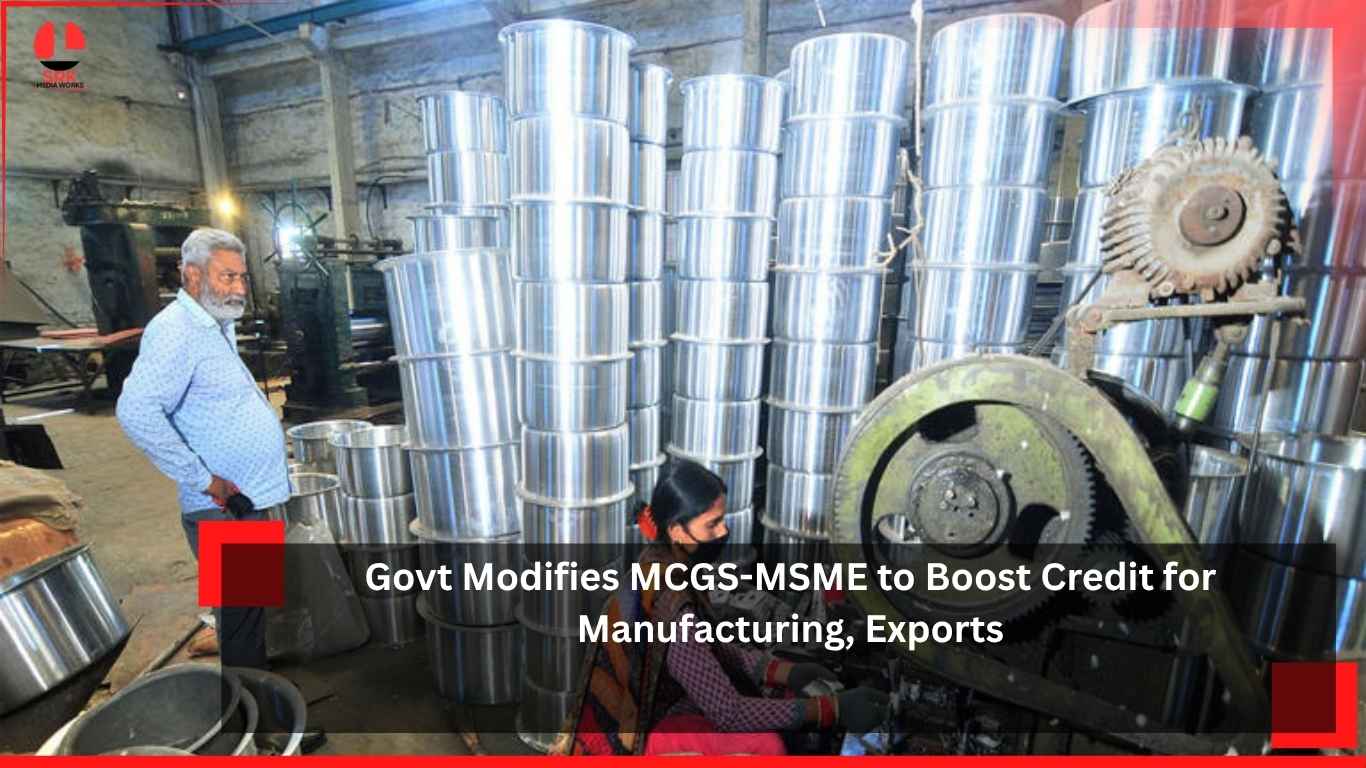




Days after India’s GDP growth surprised analysts with a robust 7.8% expansion in the April–June quarter of FY2025–26, fresh government data has raised red flags about the health of the informal manufacturing sector. According to the Ministry of Statistics and Programme Implementation’s (MoSPI) first-ever Quarterly Bulletin of Unincorporated Sector Enterprises, employment and enterprise numbers in informal manufacturing saw a sharp decline, even as overall informal activity showed marginal growth.
The bulletin, released on September 4, 2025, offers a granular view of the unincorporated non-agricultural sector, covering manufacturing, trade, and services. While the total number of informal enterprises rose by 1.1% to 7.94 crore, manufacturing enterprises fell by 4.7% to 2.06 crore compared to the previous quarter. More worryingly, employment in informal manufacturing dropped by 9.3%, dragging overall informal sector employment down by 2.1% to 12.86 crore.
🧭 Key Highlights from MoSPI’s Quarterly Bulletin
| Indicator | Jan–Mar 2025 | Apr–Jun 2025 | Change (%) |
|---|---|---|---|
| Total Informal Enterprises | 7.85 crore | 7.94 crore | +1.1% |
| Informal Manufacturing Enterprises | 2.16 crore | 2.06 crore | –4.7% |
| Informal Sector Employment | 13.13 crore | 12.86 crore | –2.1% |
| Manufacturing Employment | 3.69 crore | 3.35 crore | –9.3% |
| Trade Employment | 5.42 crore | 5.43 crore | +0.2% |
| Services Employment | 4.02 crore | 4.07 crore | +1.1% |
The data reveals a paradox: while headline GDP numbers suggest economic acceleration, the informal manufacturing backbone—often a key driver of employment—is weakening.
🔍 Why the Informal Manufacturing Decline Matters
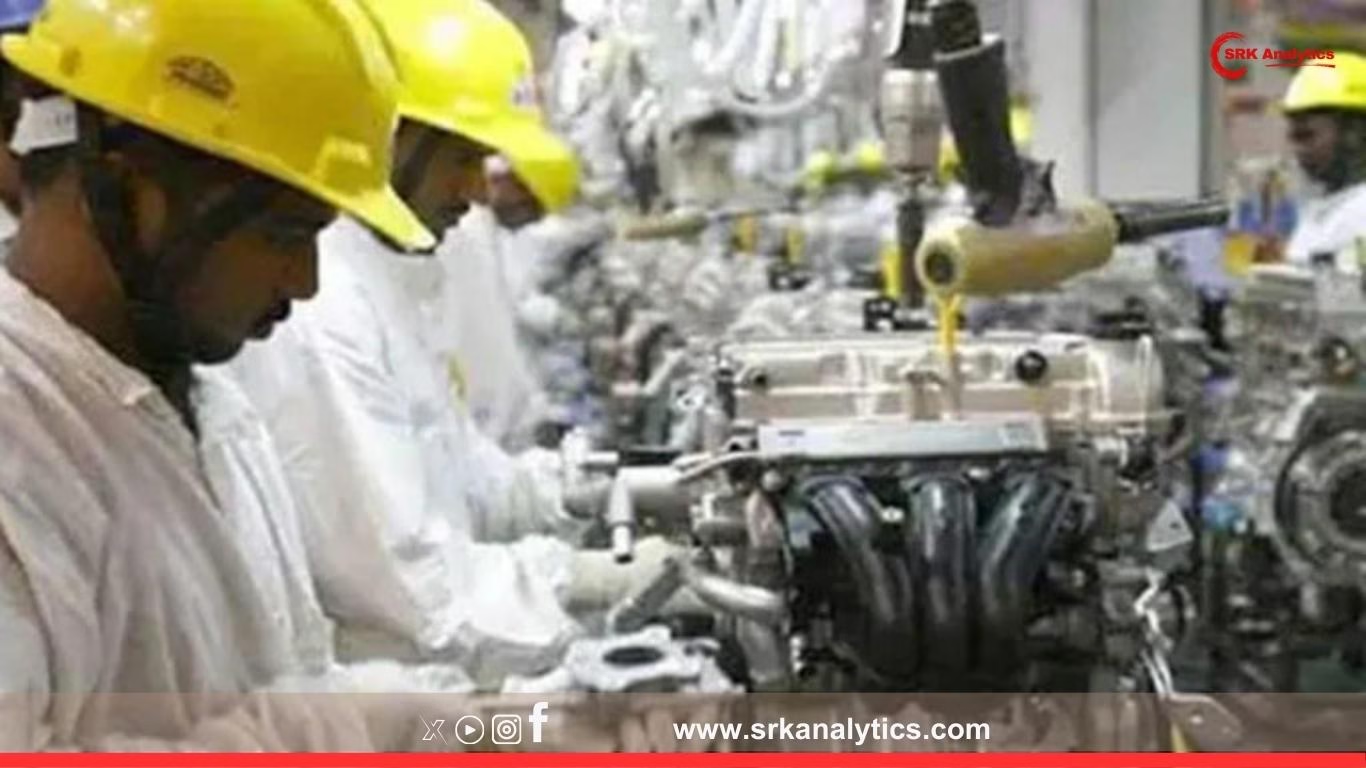
Informal manufacturing accounts for a significant share of India’s employment and output, especially in rural and peri-urban regions. These enterprises are typically unregistered, small-scale units operating outside the formal regulatory framework. They are vital for absorbing low-skilled labor and supporting livelihoods.
| Sector Contribution | Informal Share (%) | Formal Share (%) |
|---|---|---|
| Manufacturing Output | ~30% | ~70% |
| Manufacturing Employment | ~65% | ~35% |
| MSME Sector (Overall) | ~90% informal units | ~10% formal units |
A 9.3% drop in employment in this segment signals distress, potentially linked to rising input costs, weak demand, and limited access to credit and technology.
📉 GDP vs Informal Sector: The Disconnect
India’s GDP growth of 7.8% in Q1 FY2025–26 was driven by strong performance in construction, financial services, and public administration. However, MoSPI cautioned that the trends in the unincorporated sector bulletin “may not directly align” with GDP estimates, which cover the entire economy.
| Sector | GDP Growth Contribution (%) | Informal Sector Trend |
|---|---|---|
| Construction | +9.5% | Mixed |
| Financial Services | +8.2% | Mostly formal |
| Public Administration | +7.8% | Formal |
| Manufacturing (Overall) | +6.1% | Informal decline |
Experts argue that GDP growth driven by formal sectors may mask underlying vulnerabilities in informal employment and income generation.
🔥 Policy Implications and Expert Commentary
| Expert Name | Role | Comment |
|---|---|---|
| Meera Iyer | Labor Economist | “The informal manufacturing slump is a wake-up call for inclusive growth.” |
| Rajiv Bansal | MSME Policy Advisor | “We need targeted support for unincorporated units—credit, skilling, and tech.” |
| Dr. Rakesh Sinha | Economic Researcher | “GDP growth without employment expansion is unsustainable.” |
The government has acknowledged the need to strengthen the informal sector through schemes like PM Vishwakarma Yojana, credit-linked incentives, and digital onboarding of micro-enterprises.
📦 Sector-Wise Breakdown of Informal Manufacturing Decline
| Sub-Sector | Estimated Employment Loss (Apr–Jun) | Key Challenges |
|---|---|---|
| Textile & Garments | –3.2 lakh | Raw material cost, export slowdown |
| Food Processing | –2.1 lakh | Supply chain disruptions |
| Leather & Footwear | –1.5 lakh | Demand contraction, competition |
| Metal Fabrication | –1.1 lakh | Energy prices, outdated machinery |
| Wood & Furniture | –0.9 lakh | Urban demand slump |
These sectors are traditionally labor-intensive and vulnerable to macroeconomic shocks.
🧠 Recommendations for Reviving Informal Manufacturing
- Credit Access: Expand MUDRA loans and NBFC outreach to micro units.
- Skill Development: Tailored skilling programs for informal workers.
- Technology Upgradation: Subsidized access to machinery and digital tools.
- Market Linkages: E-commerce onboarding and local procurement incentives.
- Regulatory Simplification: Ease compliance for transitioning to formal status.
📌 Conclusion
India’s impressive GDP growth in Q1 FY2025–26 has been tempered by troubling signs from the informal manufacturing sector. The MoSPI bulletin reveals a sharp contraction in employment and enterprise numbers, raising questions about the inclusivity and sustainability of the current growth trajectory. As policymakers celebrate headline numbers, the need to address ground-level distress in informal manufacturing is more urgent than ever. Reviving this segment will be crucial for job creation, equitable development, and long-term economic resilience.
—
Disclaimer: This article is based on publicly available government data and media reports as of September 4, 2025. It is intended for informational purposes only and does not constitute economic, financial, or policy advice.