




India’s economy has enjoyed a period of relative stability in inflation over the past year, but the latest developments suggest that this comfort zone may soon face a serious test. Rising food prices, global oil market volatility, and supply chain disruptions are beginning to exert pressure on consumer prices. The Reserve Bank of India (RBI) has repeatedly emphasized its commitment to keeping inflation within the target band of 4% (+/-2%), but the coming months will determine whether this stability can be sustained.
Inflation Trends in India
India’s inflation trajectory has been shaped by multiple factors:
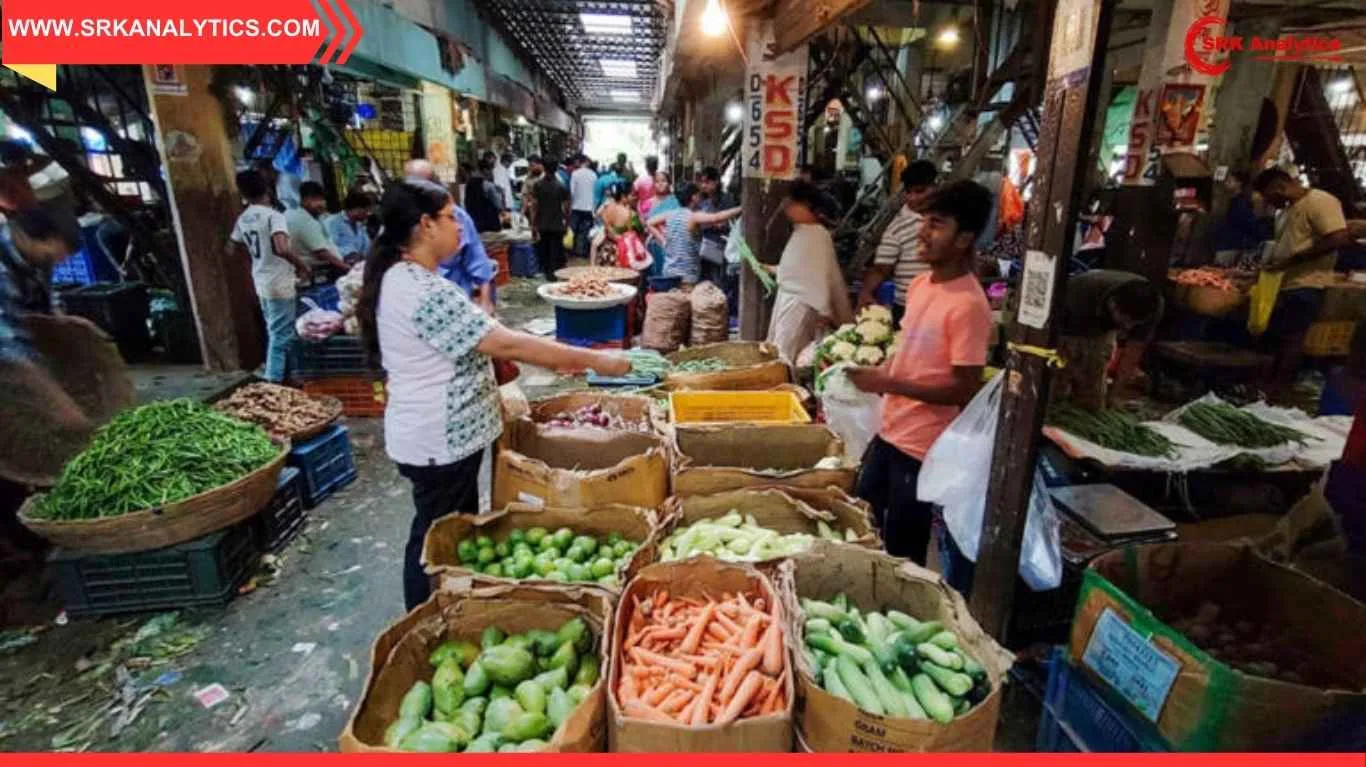
- Food Prices: Vegetables, pulses, and cereals have seen sharp price increases due to erratic monsoons.
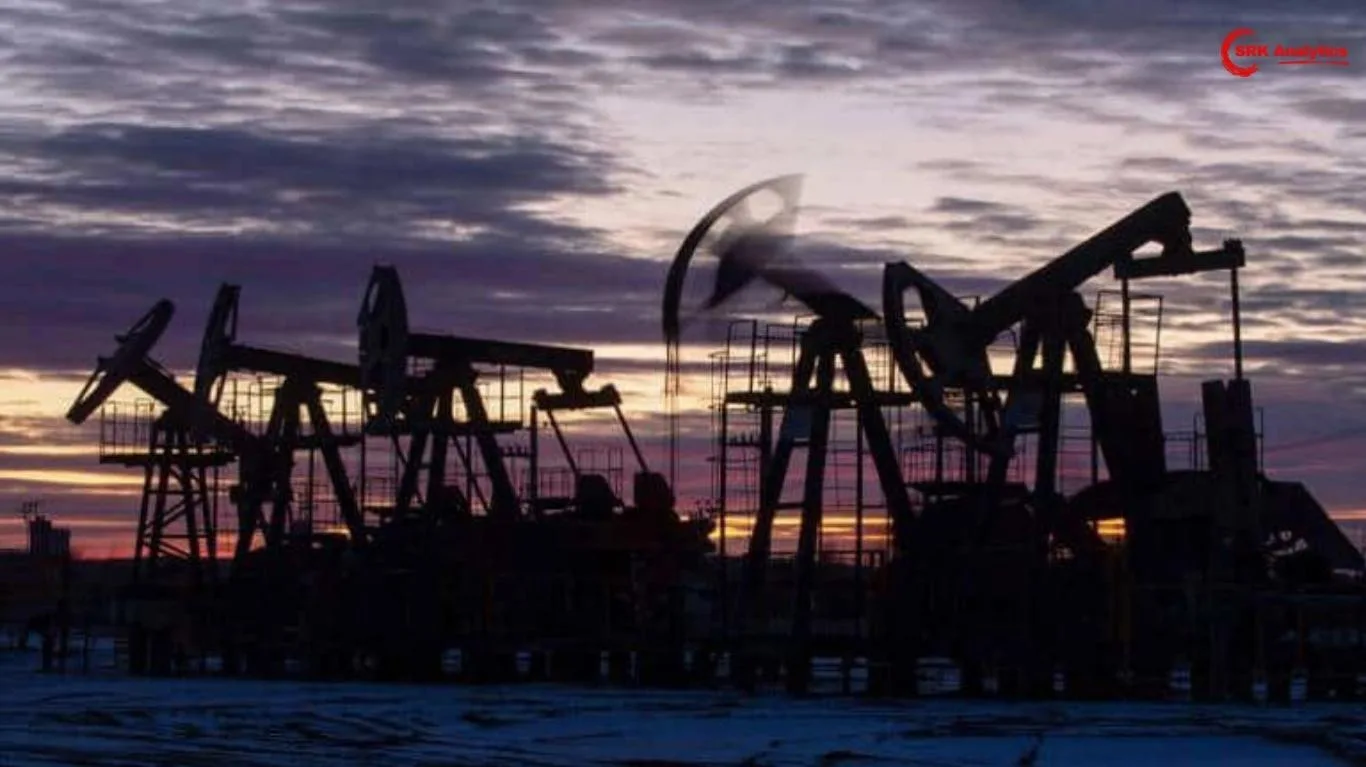
- Fuel Costs: Global crude oil fluctuations directly impact domestic fuel prices.
- Core Inflation: While relatively stable, services and housing costs are showing upward trends.
- Global Factors: Supply chain bottlenecks and geopolitical tensions add external pressure.
RBI’s Inflation Comfort Zone
The RBI targets inflation at 4%, with a tolerance band of 2% to 6%.
- Recent Performance: Inflation has remained largely within this band, giving policymakers breathing space.
- Policy Tools: Interest rate adjustments, liquidity management, and fiscal coordination have been used to maintain stability.
- Consumer Confidence: Stable inflation has supported consumption and investment.
Key Inflation Drivers
| Driver | Current Status | Impact on Inflation | Outlook |
|---|---|---|---|
| Food Prices | Rising | High | Seasonal volatility |
| Fuel Costs | Volatile | Moderate | Dependent on global oil |
| Core Inflation | Stable | Low | Gradual upward trend |
| Global Factors | Uncertain | Moderate | Supply chain risks |
| Government Policy | Supportive | Contained | Fiscal measures critical |
The Big Test Ahead
India’s inflation comfort faces challenges from multiple fronts:
- Food Inflation: Erratic rainfall and supply shortages are pushing up vegetable and cereal prices.
- Energy Costs: Rising global oil prices could spill over into transportation and manufacturing costs.
- Imported Inflation: Global supply chain disruptions and currency fluctuations may raise input costs.
- Demand Revival: Strong festive demand could add to price pressures in consumer goods.
Sector-Wise Inflation Impact
| Sector | Inflation Pressure | Key Factors |
|---|---|---|
| Agriculture | High | Weather, supply chain |
| Energy | Moderate | Global crude volatility |
| Manufacturing | Moderate | Input costs, logistics |
| Services | Low | Wage growth, housing |
| Retail | High | Festive demand, food prices |
Expert Opinions
- Economists: Warn that food inflation could remain sticky in the near term.
- Policy Analysts: Stress the importance of balancing growth and inflation management.
- Industry Leaders: Highlight rising input costs as a concern for profitability.
- Global Observers: Note that India’s inflation trajectory is better than many emerging markets but faces risks.
Public Sentiment
- Consumers: Concerned about rising food and fuel prices impacting household budgets.
- Businesses: Worry about higher input costs squeezing margins.
- Investors: Watching RBI’s policy stance closely for signals on interest rates.
- Media: Highlight inflation as a key challenge for policymakers in 2025.
Government’s Strategy
The government is expected to take proactive measures:
- Supply Management: Ensuring adequate food supply through imports and buffer stocks.
- Fuel Policy: Managing excise duties to cushion consumers from global oil shocks.
- Fiscal Support: Targeted subsidies for vulnerable households.
- Structural Reforms: Strengthening agricultural infrastructure to reduce volatility.
RBI’s Policy Options
The RBI faces a delicate balancing act:
- Interest Rates: May consider tightening if inflation breaches the comfort zone.
- Liquidity Management: Adjusting cash flows in the banking system to control demand-side pressures.
- Communication: Clear guidance to markets to maintain confidence.
- Coordination: Working with the government on fiscal measures to stabilize prices.
Future Outlook
India’s inflation comfort will be tested in the coming months:
- Short-Term: Food and fuel prices likely to remain volatile.
- Medium-Term: Core inflation may rise gradually as demand strengthens.
- Long-Term: Structural reforms in agriculture and energy could stabilize inflation.
- Global Context: India’s inflation trajectory will depend on external shocks and domestic resilience.
Conclusion
The big test for India’s inflation comfort lies in managing food and fuel price volatility while sustaining growth. The RBI and government must work in tandem to ensure that inflation remains within the target band. For consumers and businesses, the coming months will be crucial in determining whether India can maintain its hard-won stability or face renewed challenges.
India’s resilience will be measured not just by its ability to control inflation but by its capacity to balance growth, stability, and welfare in a complex global environment.
Disclaimer: This article is based on publicly available economic updates, expert commentary, and RBI reports. Readers are advised to follow official government and RBI releases for verified details.