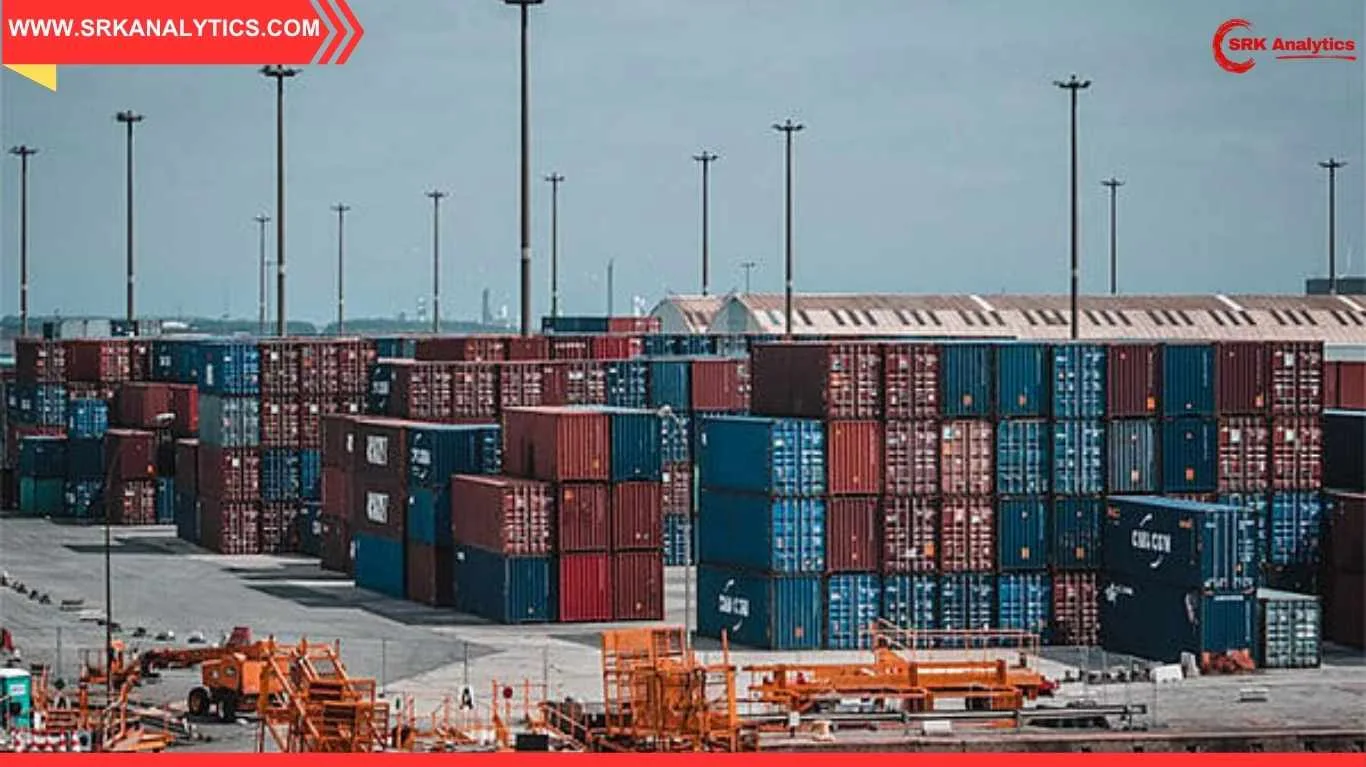
India’s trade relationship with Russia has taken a sharply imbalanced turn, as imports surged nearly twelvefold from $5.48 billion in 2020–21 to $63.81 billion in 2024–25, according to data from the Ministry of Commerce. Despite this exponential growth in inbound trade—driven largely by discounted oil purchases—Indian exporters have failed to make significant inroads into the Russian market, with outbound shipments growing only 84% over the same period.
This widening trade gap has raised concerns among policymakers and industry leaders, especially as Russia had signaled openness to Indian goods following U.S. tariffs on Indian exports. However, non-tariff barriers such as stringent quality standards, weak demand, and the absence of reliable payment gateways continue to hinder India’s export potential.
📊 India-Russia Trade Snapshot (2020–2025)
| Year | Imports from Russia ($ bn) | Exports to Russia ($ bn) | Trade Balance ($ bn) |
|---|---|---|---|
| 2020–21 | 5.48 | 2.61 | -2.87 |
| 2021–22 | 12.3 | 3.1 | -9.2 |
| 2022–23 | 28.7 | 3.8 | -24.9 |
| 2023–24 | 45.6 | 4.4 | -41.2 |
| 2024–25 | 63.81 | 4.8 | -59.01 |
Sources: Ministry of Commerce, Government of India.
🧠 Key Drivers of Import Surge
- Crude Oil Discounts: India capitalized on Russia’s discounted oil amid Western sanctions, with oil imports alone rising nearly 500x to $55 billion in 2024.
- Energy Security Strategy: Diversification of energy sources led to increased reliance on Russian coal and LNG.
- Defense and Machinery: Continued procurement of defense equipment and industrial machinery added to the import bill.
📉 Why Indian Exports to Russia Lag
| Barrier Type | Description |
|---|---|
| Non-Tariff Barriers | Strict quality norms, complex certification processes |
| Payment Constraints | Lack of a stable rupee-ruble payment mechanism |
| Market Demand | Limited appetite for Indian consumer goods like textiles and carpets |
| Logistics | Sanctions-related shipping and insurance hurdles |
A government official noted, “There is hardly any market for Indian carpets—which are among our finest exports—in Russia”.
🗣️ Industry and Policy Reactions
| Stakeholder | Commentary Summary |
|---|---|
| Exporters | “We need better trade facilitation and payment systems.” |
| Trade Analysts | “India must negotiate sector-specific access with Russia.” |
| Government Officials | “Efforts are underway to resolve currency and logistics issues.” |
| Chambers of Commerce | “A bilateral trade council could help bridge the gap.” |
The consensus is that structural reforms and diplomatic engagement are essential to unlock export potential.
📈 Sectoral Breakdown of India’s Imports from Russia (2024–25)
| Sector | Import Value ($ bn) | Share of Total Imports (%) |
|---|---|---|
| Crude Oil | 55.0 | 86.2 |
| Coal & Energy | 4.2 | 6.6 |
| Defense Equipment | 2.1 | 3.3 |
| Industrial Machinery | 1.5 | 2.4 |
| Fertilizers | 1.01 | 1.5 |
Energy dominates the import basket, leaving little room for diversification.
📊 India’s Export Composition to Russia (2024–25)
| Product Category | Export Value ($ mn) | Growth Since 2020 (%) |
|---|---|---|
| Pharmaceuticals | 1,200 | +45% |
| Tea & Spices | 850 | +38% |
| Engineering Goods | 720 | +52% |
| Textiles & Carpets | 610 | +12% |
| Organic Chemicals | 520 | +33% |
Pharma and engineering goods show promise, but volumes remain modest.
📌 Strategic Recommendations
| Recommendation | Rationale |
|---|---|
| Bilateral Payment System | A rupee-ruble mechanism could ease trade settlements |
| Trade Missions | Sector-specific delegations to identify demand and build networks |
| Certification Alignment | Harmonizing standards to reduce non-tariff barriers |
| Logistics Corridors | Dedicated shipping routes and insurance support |
These steps could help rebalance the trade equation and boost exports.
📌 Conclusion
India’s import surge from Russia—driven by energy needs and geopolitical shifts—has created a lopsided trade relationship. While imports have grown 12x in five years, exports have barely doubled, exposing structural inefficiencies and market access challenges. To correct this imbalance, India must pursue targeted trade diplomacy, streamline payment systems, and empower exporters with logistical and regulatory support. The Russian market remains underpenetrated, but with the right strategy, it could become a meaningful destination for Indian goods.
Disclaimer: This article is based on publicly available trade data, government statements, and verified news reports. It is intended for informational and editorial purposes only and does not constitute trade or investment advice.