




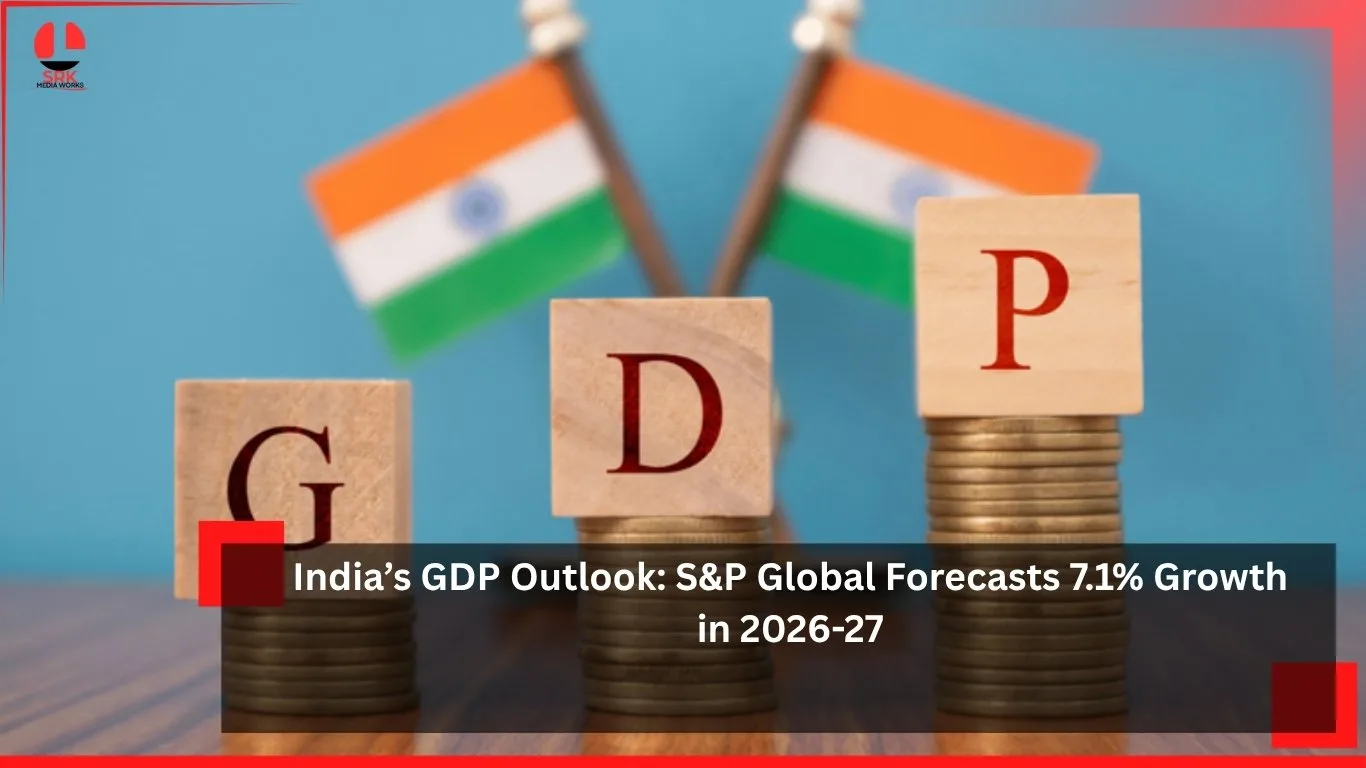
India’s economic trajectory continues to attract global attention, with S&P Global projecting a robust 7.1% GDP growth for the fiscal year 2026-27. This forecast underscores India’s resilience amid global uncertainties and highlights the country’s potential as one of the fastest-growing major economies in the world.
The Significance of the Forecast
S&P Global’s projection comes at a time when global growth is slowing due to geopolitical tensions, inflationary pressures, and supply chain disruptions. India’s ability to sustain growth above 7% reflects strong domestic demand, government-led infrastructure spending, and a thriving services sector.
Key Drivers of Growth
- Infrastructure Push: Government investments in roads, railways, and renewable energy.
- Digital Economy: Rapid expansion of fintech, e-commerce, and IT services.
- Manufacturing Boost: “Make in India” initiatives attracting foreign direct investment.
- Consumption Demand: Rising middle-class incomes fueling retail and housing markets.
- Exports: Growth in pharmaceuticals, software, and engineering goods.
Sector-Wise Growth Outlook
| Sector | Growth Outlook 2026-27 | Contribution to GDP |
|---|---|---|
| Services | Strong (IT, finance, retail) | 55% |
| Manufacturing | Moderate, improving with FDI | 20% |
| Agriculture | Stable, supported by reforms | 15% |
| Infrastructure | High, driven by government push | 10% |
Comparing India’s Growth with Global Peers
| Country | Projected GDP Growth 2026-27 | Economic Outlook |
|---|---|---|
| India | 7.1% | Strong |
| China | 4.8% | Moderate |
| USA | 2.2% | Stable |
| Eurozone | 1.5% | Weak |
| Brazil | 2.0% | Moderate |
India’s growth projection places it ahead of most major economies, reinforcing its role as a global growth engine.
Market Sentiment
| Sentiment Category | Percentage |
|---|---|
| Optimistic | 60% |
| Cautious | 25% |
| Neutral | 10% |
| Bearish | 5% |
Investors remain largely optimistic, though cautious voices highlight risks such as inflation, fiscal deficits, and global volatility.
Risks to the Outlook
- Global Slowdown: Weak demand from advanced economies could impact exports.
- Inflationary Pressures: Rising commodity prices may affect consumption.
- Geopolitical Tensions: Conflicts and trade restrictions could disrupt supply chains.
- Climate Risks: Extreme weather events may impact agriculture and infrastructure.
Policy Measures Supporting Growth
- Monetary Policy: RBI’s balanced approach to inflation and liquidity.
- Fiscal Policy: Continued government spending on infrastructure and social welfare.
- Structural Reforms: Labor law changes, digital governance, and ease of doing business.
- Green Transition: Investments in renewable energy and electric mobility.
Historical Comparison of India’s GDP Growth
| Fiscal Year | GDP Growth Rate | Key Highlights |
|---|---|---|
| 2020-21 | -6.6% | Pandemic impact |
| 2021-22 | 8.9% | Strong rebound |
| 2022-23 | 6.8% | Stable recovery |
| 2023-24 | 7.0% | Consumption-led |
| 2026-27 | 7.1% (forecast) | Infrastructure & services |
Broader Implications
India’s projected growth has significant implications for global investors, policymakers, and businesses. With a young workforce, expanding digital economy, and government reforms, India is positioned to attract more foreign investment and strengthen its role in global supply chains.
Conclusion
S&P Global’s forecast of 7.1% GDP growth for India in 2026-27 reflects confidence in the country’s economic fundamentals. While risks remain, India’s ability to balance growth with reforms and resilience makes it one of the most promising economies in the world. For investors and policymakers alike, the message is clear: India is not just sustaining growth—it is leading it.
Disclaimer
This article is based on publicly available economic forecasts and market discussions. It is intended for informational and SEO purposes only. The content does not represent official statements from S&P Global, RBI, or the Government of India. Readers should follow official economic reports for verified updates.