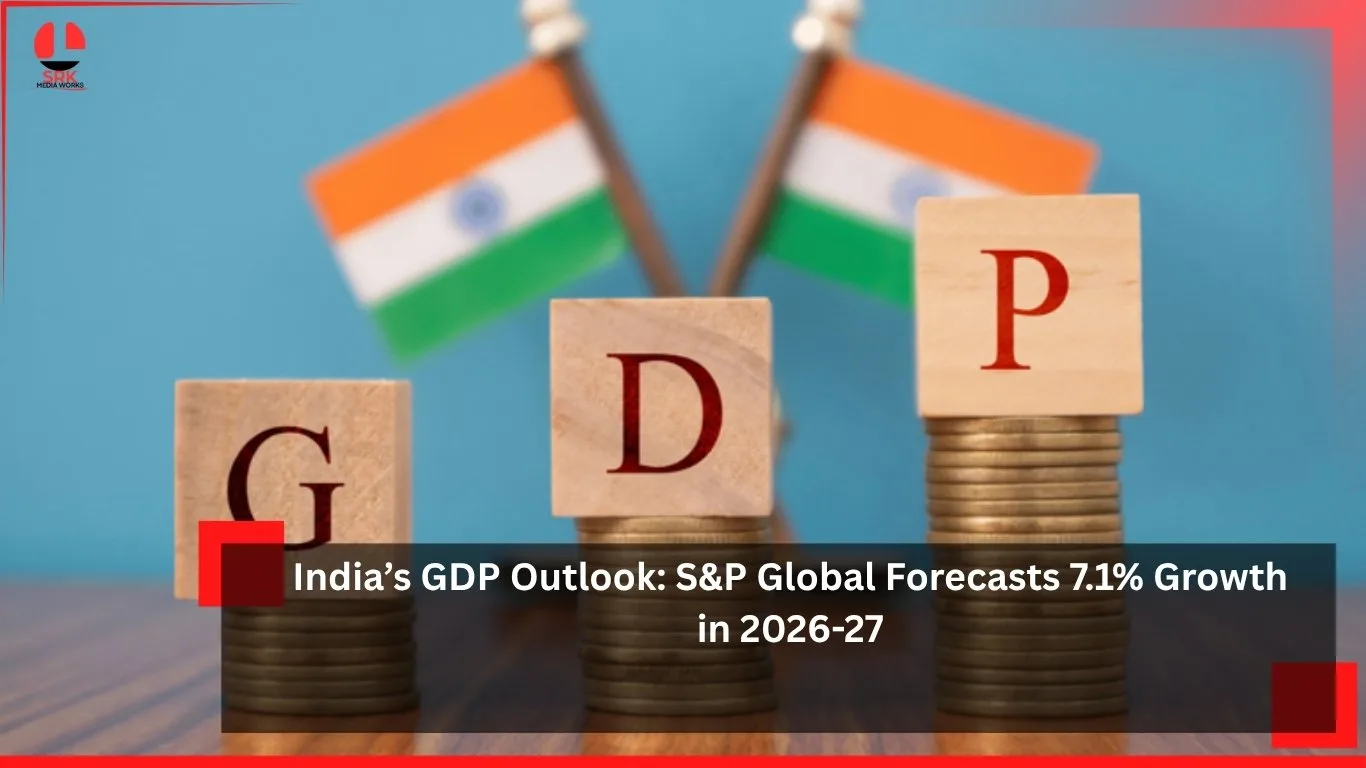




India’s economic momentum appears to be cooling, with gross domestic product (GDP) growth likely slowing to 6.7% in the April–June quarter of FY26, according to a Reuters poll of 70 economists conducted between August 18–26. The moderation comes amid subdued private investment, weak industrial activity, and global trade uncertainties, despite a rebound in government capital expenditure.
The slowdown marks a five-quarter low and is slightly above the Reserve Bank of India’s (RBI) recent forecast of 6.5%. Economists expect growth to ease further in the coming quarters, averaging 6.3% for the fiscal year—potentially the slowest pace in five years.
🧭 Timeline of India’s GDP Trends and Policy Responses
| Period | Event Description | Impact on Growth |
|---|---|---|
| Q4 FY25 | GDP grew 7.4% | Strong capex, pre-election spending |
| Q1 FY26 | GDP likely slowed to 6.7% | Weak private capex, industrial drag |
| Q2 FY26 | Forecast at 6.5% | Continued moderation expected |
| Q3 FY26 | Forecast at 6.3% | Urban consumption under pressure |
| Q4 FY26 | Forecast at 6.2% | Global headwinds and tariff impact |
The official GDP data for Q1 FY26 is scheduled to be released on August 29, 2025.
📊 Sectoral Performance: Mixed Signals Across the Economy
| Sector | Q1 FY26 Growth Estimate | Commentary |
|---|---|---|
| Agriculture | 2.7% | Adversely affected by heatwaves and poor monsoon |
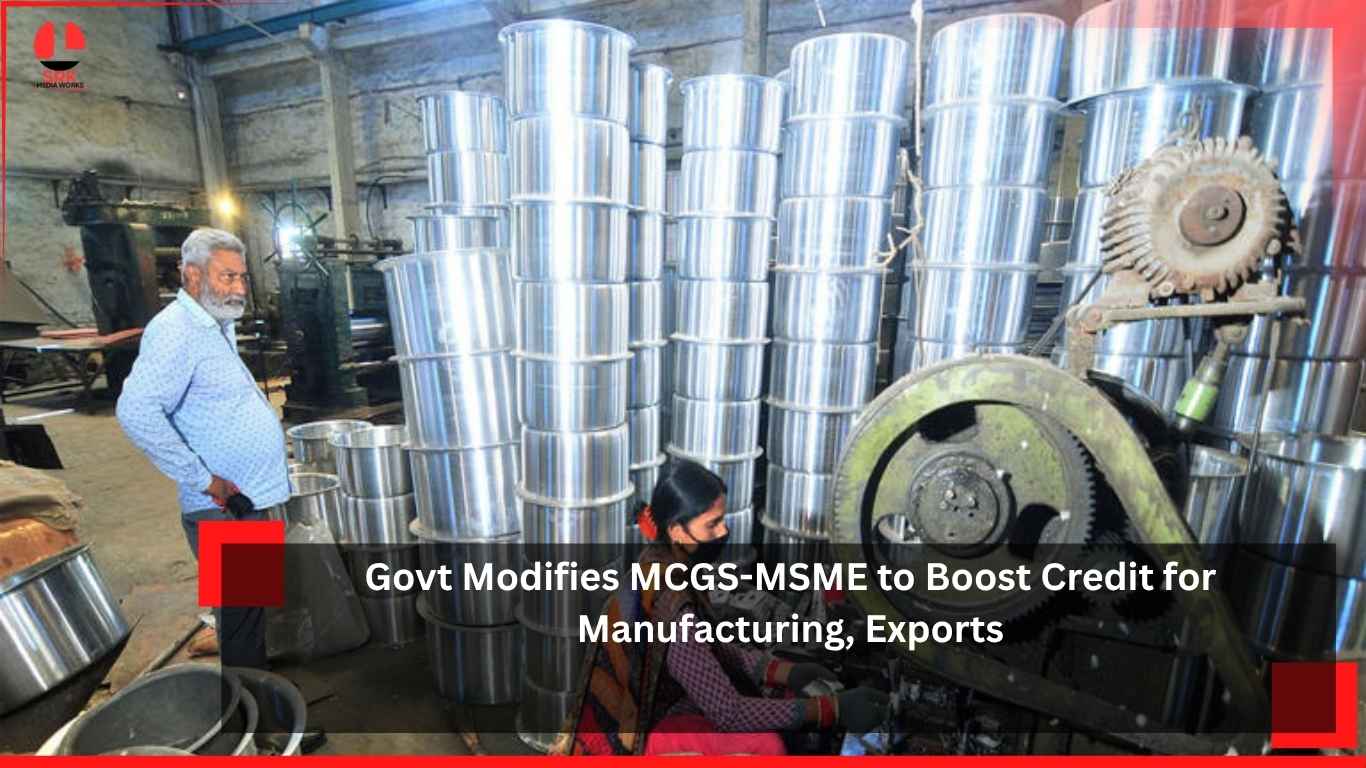
| Manufacturing | 7.0% | Four-quarter low, reflecting weak demand |
| Construction | 10.5% | Double-digit growth, labour-intensive boost |
| Electricity, Gas, Water | 10.4% | Strong infrastructure push |
| Services | 7.2% | Sequential improvement, steady demand |
| Private Consumption | 7.45% | Six-quarter high, rural demand resilient |
| Government Spending | -0.24% | Marginal contraction amid post-election reset |
While construction and utilities posted robust growth, manufacturing and agriculture remained under pressure, dragging overall GDP momentum.
🔍 Key Drivers Behind the Slowdown
Economists cited several structural and cyclical factors contributing to the deceleration:
- Weak Private Investment: Despite rate cuts, private capex remains subdued due to global uncertainty and margin pressures.
- Industrial Drag: Manufacturing and industrial production slowed, reflecting tepid demand and profit compression.
- Urban Consumption Stress: Stagnant wages and job cuts have curbed urban spending, despite easing food inflation.
- Global Trade Tensions: US tariffs and geopolitical risks have impacted exports and investor sentiment.
| Driver | Impact on GDP Growth | Policy Implication |
|---|---|---|
| Private Capex | Low multiplier effect | Need for investment incentives |
| Industrial Output | Sluggish IIP and PMI | Sector-specific stimulus required |
| Urban Consumption | Weak retail and auto sales | Wage support and employment generation |
| Global Trade | Export contraction | Diversification and rupee trade push |
Economists warn that without a pickup in private investment, India may struggle to create meaningful employment and sustain high-quality growth.
🧠 RBI’s Role and Monetary Policy Outlook
The RBI has cut the repo rate by 75 basis points in 2025, including a surprise 50 bps reduction in June. However, the transmission of lower rates to consumers remains uneven, with many banks yet to pass on the benefits.
| RBI Policy Tool | Status (2025) | Intended Impact |
|---|---|---|
| Repo Rate | 5.5% | Stimulate credit and investment |
| Liquidity Support | Active | Support MSMEs and NBFCs |
| Credit Risk Guidelines | Draft due soon | Strengthen financial stability |
| Rupee Internationalisation | Agreements with 4 nations | Reduce forex dependence |
RBI Governor Sanjay Malhotra recently stated that the central bank “won’t be found wanting” in its efforts to support growth amid external shocks.
📉 Reuters Poll Forecast: GDP to Average 6.3% in FY26
The Reuters poll showed a median forecast of 6.3% GDP growth for FY26, with projections ranging from 6.2% to 7.3% for Q1. The poll also indicated a gradual slowdown through the fiscal year, with growth expected to average 6.2% in Q4.
| Quarter | GDP Forecast (%) | Trend Direction |
|---|---|---|
| Q1 FY26 | 6.7% | Down from 7.4% |
| Q2 FY26 | 6.5% | Continued moderation |
| Q3 FY26 | 6.3% | Slowing momentum |
| Q4 FY26 | 6.2% | Lowest in fiscal year |
| FY26 Average | 6.3% | Slowest in five years |
Gross Value Added (GVA), considered a more stable measure of economic activity, is expected to grow 6.4% in Q1 FY26.
🔥 Government’s Fiscal Strategy and Demand Revival Plans
To counter the slowdown, the government has ramped up capital expenditure, which surged 52% year-on-year to ₹2.8 trillion as of June 2025. Prime Minister Narendra Modi has also proposed lowering consumption levies on essential goods and small cars to boost demand.
| Fiscal Measure | Status | Expected Impact |
|---|---|---|
| Capital Expenditure | ₹2.8 trillion (June 2025) | Infrastructure-led growth |
| Consumption Tax Cuts | Proposed | Stimulate household demand |
| Rural Spending | Budget allocation increased | Support agricultural and job creation |
| MSME Support | Credit and subsidy schemes | Boost employment and exports |
Economists believe that while government spending can support short-term growth, sustained recovery will require private sector participation.
📌 Conclusion
India’s GDP growth slowing to 6.7% in the April–June quarter signals a shift in the post-pandemic recovery trajectory. While rural demand and government capex offer some cushion, structural challenges in private investment, manufacturing, and urban consumption continue to weigh on momentum.
The RBI’s accommodative stance and the government’s fiscal push may help stabilize growth, but economists warn that without a revival in private capex, India may fall short of its employment and income generation goals. As the country navigates global headwinds and domestic constraints, the next few quarters will be crucial in shaping its economic narrative.
—
Disclaimer: This article is based on publicly available news reports and official statements as of August 26, 2025. It is intended for informational purposes only and does not constitute financial, legal, or investment advice.