









India’s foreign exchange reserves surged by $6.3 billion during the week ending September 20, reaching a new all-time high of $696.99 billion, according to the latest data released by the Reserve Bank of India (RBI) on Friday.
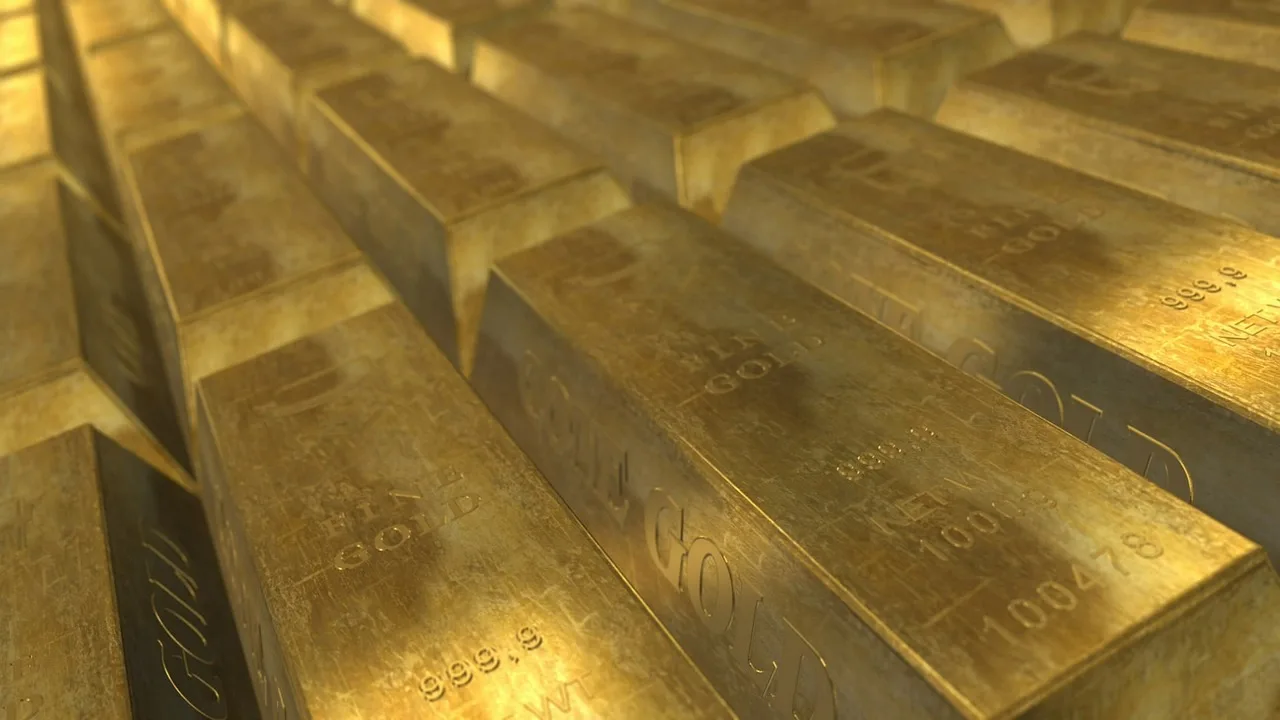
This significant growth was primarily driven by a substantial appreciation in the value of the nation’s gold holdings, reflecting a broader global trend of rising bullion prices. The latest weekly statistical supplement shows that the total reserves have maintained a robust upward trajectory, providing the central bank with increased firepower to manage currency volatility.
Contextualizing the Reserve Build-up
Foreign exchange reserves serve as a critical buffer for the Indian economy, ensuring that the country can meet its external financial obligations and maintain stability in the rupee’s exchange rate. These reserves consist of foreign currency assets, gold, Special Drawing Rights (SDRs), and the reserve position with the International Monetary Fund (IMF).
The RBI has been actively accumulating reserves over the past several months, partly to curb excessive volatility in the rupee. As global interest rate cycles shift, central banks worldwide are recalibrating their holdings to hedge against geopolitical uncertainty and inflationary pressures.
The Role of Gold in Asset Diversification
Gold, which constitutes a significant portion of India’s reserves, saw its valuation rise sharply as global prices hit record highs. The Reserve Bank of India has been one of the most consistent buyers of gold among global central banks, viewing the precious metal as a safe-haven asset during times of economic turbulence.
Market analysts note that the rise in valuation is a direct result of the central bank’s strategic accumulation combined with favorable global market movements. According to the World Gold Council, central bank buying has been a consistent pillar of support for gold prices globally throughout 2024.
Economic Implications and Currency Stability
For the Indian economy, a record-high reserve level offers a shield against external shocks, such as sudden capital outflows or global commodity price spikes. With the reserves nearing the $700 billion milestone, the RBI is in a strong position to intervene in the foreign exchange market to prevent sharp depreciation of the rupee.
Economists suggest that high reserves also improve investor confidence in India’s macroeconomic fundamentals. This stability is particularly important as the country navigates a complex global environment marked by shifting trade policies and fluctuating energy costs.
What to Watch Next
Market participants are now closely monitoring whether the reserves will cross the $700 billion threshold in the coming weeks. Continued volatility in the Middle East and the trajectory of the U.S. Federal Reserve’s interest rate decisions will remain the primary drivers of global capital flows.
Observers will also look for further updates from the RBI regarding their gold buying strategy, as the central bank continues to balance the need for liquidity with the long-term benefits of physical asset holdings. Any significant shift in global gold prices will remain a key indicator to watch for future updates on the reserve valuation.