


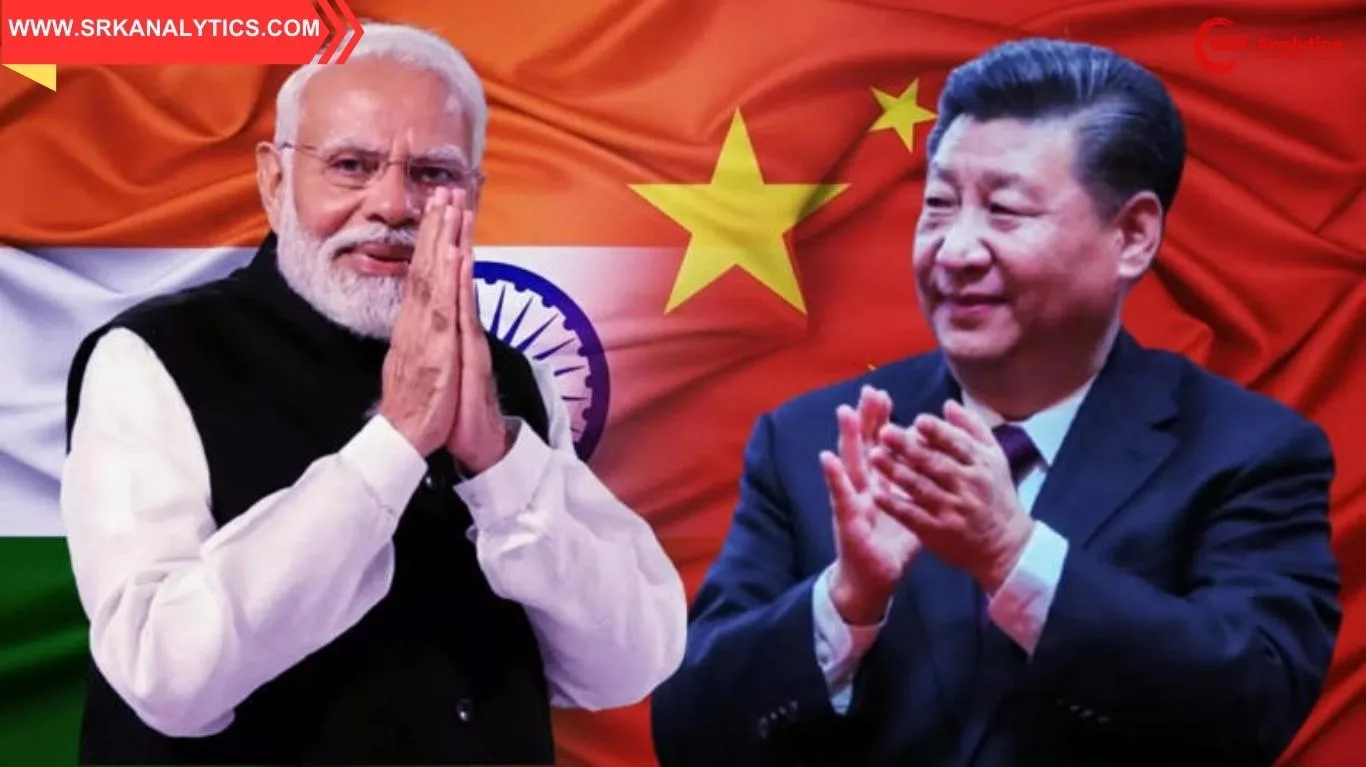
India’s trade relationship with China continues to be one of both opportunity and challenge. Recent data shows that India’s exports to China have surged significantly, reflecting strong demand for Indian goods ranging from agricultural products to chemicals and iron ore. However, despite this impressive growth, the country faces a daunting $106 billion trade deficit, underscoring the imbalance in bilateral trade flows.
Background of India-China Trade
- China remains one of India’s largest trading partners, with bilateral trade volumes consistently ranking among the highest globally.
- India’s exports to China have grown in recent years, driven by demand for raw materials, pharmaceuticals, and agricultural commodities.
- On the other hand, India imports a vast array of goods from China, including electronics, machinery, chemicals, and consumer products.
- The widening trade deficit highlights structural challenges in India’s export basket compared to China’s diversified and high-value exports.
Key Highlights of the Trade Data
| Indicator | Details |
|---|---|
| India’s Exports to China | Significant surge in recent quarters |
| India’s Imports from China | Remain substantially higher |
| Trade Deficit | $106 billion |
| Export Drivers | Iron ore, chemicals, pharmaceuticals, agricultural products |
| Import Drivers | Electronics, machinery, telecom equipment, consumer goods |
India’s Exports vs Imports with China
| Factor | Exports to China | Imports from China | Implication |
|---|---|---|---|
| Value | Rising sharply | Much higher | $106 billion deficit |
| Composition | Raw materials, pharma, agriculture | Electronics, machinery, chemicals | Structural imbalance |
| Growth Trend | Positive surge | Consistently strong | Deficit persists |
| Strategic Impact | Boosts India’s export earnings | Increases dependency on Chinese goods | Need for diversification |
Why This Trade Deficit Matters
- Economic Balance: A large deficit impacts India’s current account and foreign exchange reserves.
- Strategic Dependency: Heavy reliance on Chinese imports raises concerns about supply chain vulnerabilities.
- Domestic Industry Impact: Local manufacturers face competition from cheaper Chinese goods.
- Policy Challenges: Requires long-term strategies to diversify exports and reduce dependency.
India’s Export Growth Story
| Attribute | Details |
|---|---|
| Agricultural Products | Strong demand for rice, cotton, and spices |
| Pharmaceuticals | India’s generic drugs gaining traction |
| Chemicals | Rising exports of organic and inorganic chemicals |
| Iron Ore | Significant shipments to Chinese steel industry |
| Future Potential | IT services, renewable energy components, and value-added manufacturing |
India’s export growth reflects resilience and competitiveness in select sectors, but the overall basket remains narrow compared to China’s diversified exports.
Expert Opinions
- Economists: Stress the need for India to expand its export base beyond raw materials.
- Trade Analysts: Highlight the importance of negotiating better market access in China.
- Industry Leaders: Call for incentives to boost manufacturing and reduce import dependency.
- Policy Makers: Emphasize the role of trade diversification and strategic partnerships.
Challenges Ahead
- Structural Imbalance: India’s exports are largely raw materials, while imports are high-value goods.
- Technology Gap: China’s dominance in electronics and machinery highlights India’s need for innovation.
- Supply Chain Risks: Over-reliance on Chinese imports exposes India to geopolitical tensions.
- Market Access: Indian exporters face barriers in penetrating China’s domestic market.
Opportunities for India
- Diversification of Exports: Expanding into IT services, renewable energy, and high-value manufacturing.
- Strengthening Domestic Industry: Boosting local production to reduce import dependency.
- Strategic Trade Partnerships: Exploring alternative markets to balance trade flows.
- Policy Reforms: Incentivizing innovation, R&D, and export-oriented industries.
Broader Context of Global Trade
- India-China trade reflects broader global trends of interdependence and competition.
- Many countries face similar deficits with China due to its dominance in manufacturing.
- India’s challenge lies in balancing economic opportunities with strategic concerns.
- The trade deficit underscores the importance of long-term structural reforms in India’s economy.
Public Sentiment
- Citizens express concern about dependency on Chinese goods.
- Businesses welcome export growth but worry about competition from imports.
- Policy debates focus on reducing the deficit through diversification and innovation.
- Overall sentiment reflects cautious optimism with calls for stronger domestic industry support.
Conclusion
The surge in India’s exports to China is a positive development, showcasing the country’s competitiveness in select sectors. However, the looming $106 billion trade deficit highlights the structural imbalance in bilateral trade. For India, the challenge lies in leveraging export growth while reducing dependency on Chinese imports. Strategic reforms, diversification, and innovation will be key to addressing this imbalance and ensuring sustainable trade relations in the future.
Disclaimer
This article is intended for informational purposes only and does not constitute financial or policy advice. Trade data, economic indicators, and bilateral relations are subject to change based on evolving circumstances. Readers are encouraged to follow official updates for accurate information. The author and publisher are not responsible for any decisions made based on this article.