




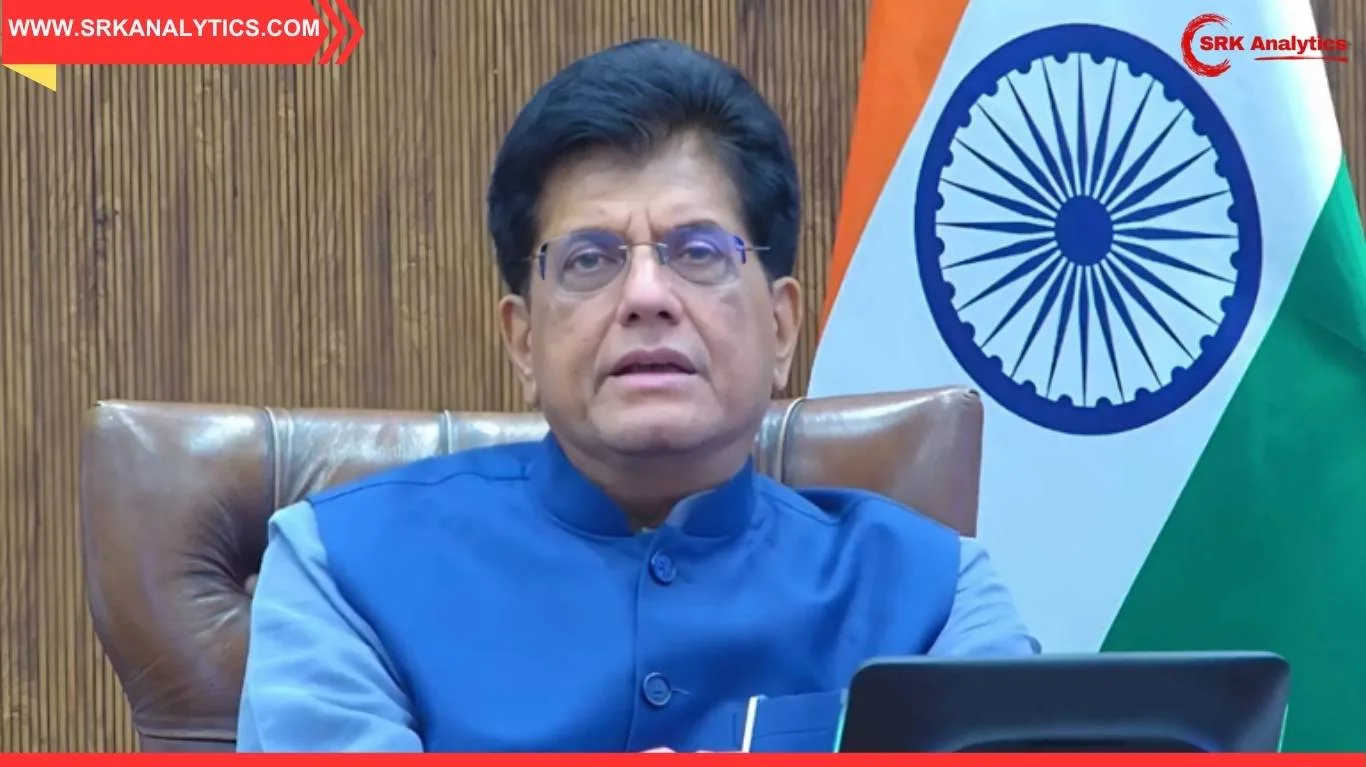
India’s trade diplomacy is entering a new phase, with Commerce and Industry Minister Piyush Goyal confirming that negotiations for Free Trade Agreements (FTAs) are actively underway with several major economies including the European Union (EU), the United States (US), Oman, and New Zealand. The minister also revealed that “many more countries are wanting us to start,” signaling India’s growing importance in global trade and supply chains.
This development underscores India’s ambition to strengthen its position in international commerce, diversify export markets, and attract foreign investment. With global supply chains shifting and economies seeking reliable partners, India’s proactive FTA strategy is seen as a crucial step toward achieving its long-term economic goals.
📊 Key Highlights of India’s FTA Push
- Negotiations Ongoing: EU, US, Oman, New Zealand, and other nations.
- Strategic Objective: Expand market access, boost exports, attract investments.
- Global Interest: Multiple countries expressing willingness to begin talks.
- Domestic Impact: Potential benefits for sectors like textiles, IT, pharmaceuticals, agriculture, and manufacturing.
- Minister’s Statement: “Many more wanting us to start,” reflecting India’s rising global trade stature.
🔎 Why FTAs Matter for India
Free Trade Agreements are critical for India’s economic growth because they:
- Reduce tariffs and trade barriers, making Indian goods more competitive.
- Provide Indian exporters access to large consumer markets.
- Strengthen geopolitical and economic ties with partner nations.
- Encourage foreign direct investment (FDI) by offering predictable trade frameworks.
- Support India’s vision of becoming a $5 trillion economy.
📉 Challenges in Negotiations
While FTAs offer immense opportunities, they also pose challenges:
- Balancing domestic industry protection with global competitiveness.
- Addressing concerns over intellectual property rights, labor standards, and environmental regulations.
- Negotiating sensitive sectors like agriculture and dairy, especially with countries like New Zealand.
- Ensuring equitable benefits across industries and regions.
📈 Comparative Snapshot of India’s FTA Engagements
| Country/Region | Status of Negotiations | Key Focus Areas |
|---|---|---|
| European Union | Advanced discussions | Market access, tariffs, sustainability |
| United States | Early-stage talks | Technology, services, agriculture |
| Oman | Ongoing | Energy, trade facilitation |
| New Zealand | Initial discussions | Dairy, agriculture, IT services |
| Other Nations | Interest expressed | Manufacturing, textiles, pharmaceuticals |
🔄 India’s FTA Timeline
| Year | Major FTA Activity | Partner Countries |
|---|---|---|
| 2022 | India-UAE CEPA signed | UAE |
| 2023 | Talks with UK advanced | UK |
| 2024 | Negotiations with EU intensified | EU |
| 2025 | Active talks with US, Oman, New Zealand | US, Oman, New Zealand |
This pivot analysis highlights India’s steady expansion of trade partnerships, moving from regional agreements to global-scale negotiations.
🚀 Strategic Importance of Current Negotiations
- EU: Access to a market of over 450 million consumers, crucial for sectors like textiles, IT, and pharmaceuticals.
- US: Strengthening ties with the world’s largest economy, especially in technology and services.
- Oman: Enhancing energy cooperation and trade facilitation in the Gulf region.
- New Zealand: Opportunities in agriculture and dairy, though sensitive for Indian farmers.
💬 Minister’s Commentary
Commerce Minister Piyush Goyal emphasized that India is not only negotiating with established economies but also receiving requests from several other nations eager to begin talks. His statement reflects India’s growing credibility as a trade partner and its ability to leverage its large domestic market and skilled workforce.
🌍 Global Context
India’s FTA push comes at a time when global trade is undergoing significant shifts:
- Supply chains are diversifying away from China.
- Nations are seeking reliable partners amid geopolitical tensions.
- Sustainability and digital trade are becoming central to modern agreements.
India’s proactive stance positions it as a key player in shaping the future of global commerce.
📊 Potential Economic Impact
If successfully concluded, these FTAs could:
- Boost India’s exports by reducing tariffs.
- Create millions of jobs in manufacturing and services.
- Strengthen India’s role in global supply chains.
- Attract foreign investment in sectors like renewable energy, IT, and infrastructure.
📝 Conclusion
India’s ongoing FTA negotiations with the EU, US, Oman, New Zealand, and other nations mark a turning point in its trade diplomacy. With “many more wanting us to start,” as Minister Goyal highlighted, India is poised to expand its global footprint, enhance competitiveness, and secure long-term economic growth. The success of these negotiations will depend on balancing domestic interests with global opportunities, but the trajectory clearly points toward India becoming a central hub in international trade.
⚠️ Disclaimer
This article is for informational purposes only and is based on publicly available statements and trade updates. It does not constitute investment or policy advice. Readers are encouraged to consult experts for detailed analysis before making economic or business decisions.