



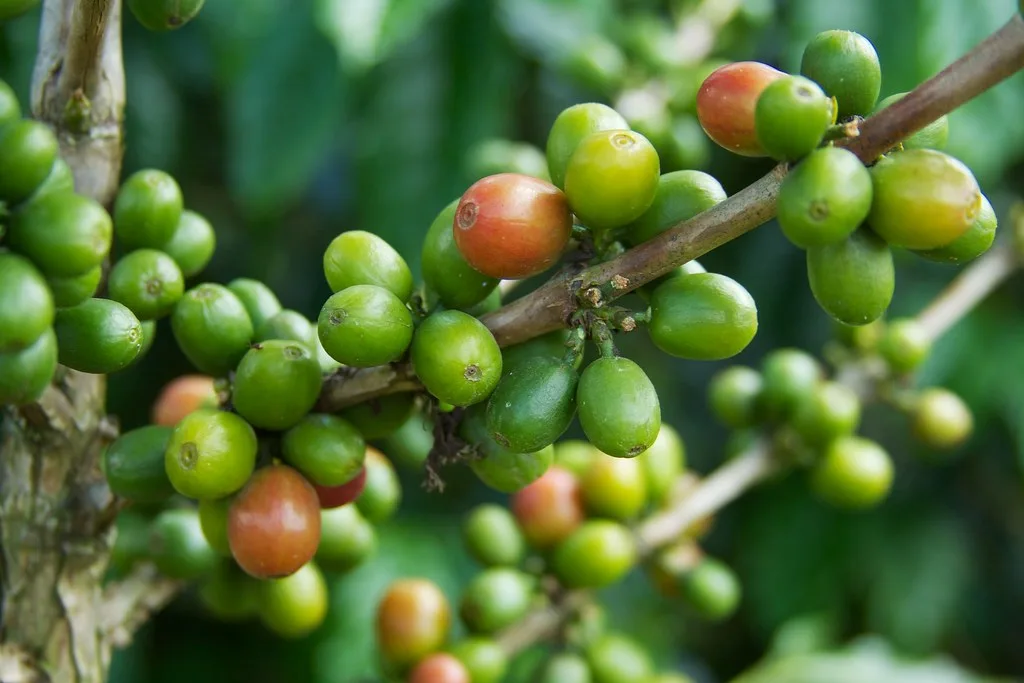
India’s coffee production for the 2026-27 crop year is projected to decline by 4%, falling to 3.68 lakh tonnes, according to the latest report from the United States Department of Agriculture (USDA) Post. The anticipated shortfall stems primarily from erratic weather patterns and declining yields in key growing regions across the southern states of Karnataka, Kerala, and Tamil Nadu.
Understanding the Climate Impact on Coffee Yields
India remains one of the world’s most significant coffee producers, known for both high-quality Arabica and robust Robusta varieties. Agricultural experts note that the coffee plant is exceptionally sensitive to temperature fluctuations and rainfall timing, both of which have become increasingly volatile in the Indian subcontinent.
The USDA report highlights that inconsistent monsoon patterns, coupled with unseasonal humidity, have disrupted the critical flowering and cherry development phases. When these stages are compromised, the total harvest weight is significantly reduced, impacting both domestic supply chains and export volumes.
Analyzing the Production Landscape
The projected 3.68 lakh tonne output represents a notable tightening of market availability. Industry analysts indicate that the decline is not merely a result of immediate weather events but reflects long-term challenges in maintaining plantation productivity.
Data suggests that many smaller plantations are struggling to modernize irrigation and pest management systems, leaving them more vulnerable to climate-induced stresses. While larger estates have begun integrating climate-resilient farming techniques, the widespread adoption of these methods remains slow, creating a disparity in regional output stability.
Global coffee prices have remained sensitive to production reports from major exporters like India, Brazil, and Vietnam. Any reduction in Indian exports could influence international price floors, particularly for Robusta beans, which are essential for the global instant coffee market.
Industry Implications and Economic Effects
For the Indian coffee industry, this projected decline poses a dual challenge: maintaining profitability for farmers while meeting the growing demand from both domestic consumers and international buyers. As prices fluctuate, the burden often falls on smallholder farmers who lack the financial cushion to absorb lower yields.
Global supply chain managers are closely monitoring these reports to adjust procurement strategies. If the 4% decline materializes as predicted, it may lead to increased competition among exporters to secure high-quality beans, potentially driving up costs for roasters and retail brands worldwide.
Market observers suggest that stakeholders should watch for updated rainfall forecasts during the upcoming monsoon season, as these will serve as the primary indicator for final harvest success. Furthermore, the industry is expected to accelerate its focus on sustainable agricultural research, specifically targeting drought-resistant plant varieties and precision irrigation technology to safeguard future cycles against similar weather-related disruptions.