




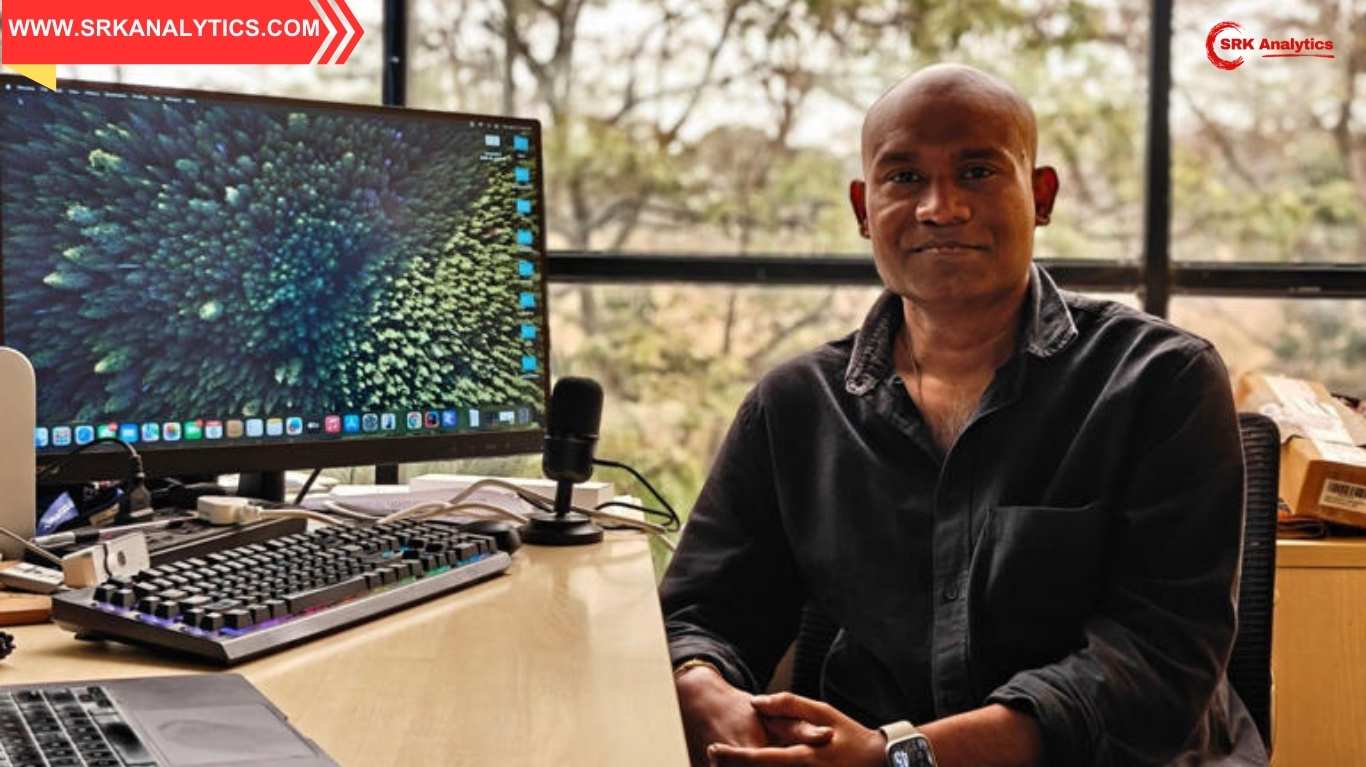
India’s AI development roadmap is increasingly focused on smaller, sector-specific language models, but experts warn this strategy may overlook the importance of CPU-based infrastructure. Hrishikesh Dewan, co-founder and CEO of Ziroh Labs, has raised concerns that while the government is investing heavily in GPUs under the IndiaAI Mission, CPUs remain underutilized despite their cost-efficiency and accessibility.
Key Highlights
- IndiaAI Mission: ₹10,372 crore outlay over five years, aiming to triple GPU capacity from 38,000 to 100,000 by 2026.
- Policy Direction: Economic Survey 2026–27 and IT Ministry officials back small language models for healthcare, education, and agriculture.
- Expert Concern: Hrishikesh Dewan argues CPUs can deliver cost-effective AI inference, reducing dependency on expensive GPUs.
- Ziroh Labs Innovation: Kompact AI platform enables large language models to run efficiently on CPUs, cutting costs by up to 70–80%.
- Global Context: India’s approach diverges from global AI trends that prioritize large-scale GPU clusters.
Analysis of India’s AI Strategy
| Factor | Current Focus | Overlooked Potential | Outcome Expected |
|---|---|---|---|
| Hardware | Heavy GPU investment | CPUs underutilized | Rising costs |
| Model Strategy | Small, sector-specific LLMs | CPU-native inference | Missed efficiency |
| Accessibility | Centralized GPU clusters | Distributed CPU infrastructure | Limited reach |
| Cost Efficiency | High GPU dependency | CPUs cheaper, widely available | Budget strain |
| Innovation | Following global GPU trend | Indigenous CPU-based solutions | Opportunity gap |
Comparative Analysis of AI Infrastructure Approaches
| Country | Strategy | Hardware Focus | Cost Efficiency | Accessibility |
|---|---|---|---|---|
| India | Small LLMs, GPU expansion | GPUs | Moderate | Limited |
| US | Large-scale foundation models | GPUs, TPUs | High cost | Centralized |
| China | Hybrid approach | GPUs + CPUs | Balanced | Expanding |
| Europe | Sector-specific AI models | CPUs + GPUs | Cost-efficient | Widely accessible |
Drivers Behind Dewan’s Concern
- Cost Factor: GPUs are expensive, energy-intensive, and controlled by few global players.
- Accessibility: CPUs are widely available in laptops, servers, and everyday computers.
- Efficiency Gains: CPU-native inference can reduce AI deployment costs by 70–80%.
- Innovation Opportunity: India can lead in CPU-based AI infrastructure.
- Strategic Balance: Over-reliance on GPUs risks missing scalable, affordable solutions.
Public and Industry Reaction
- Tech Startups: Welcomed Dewan’s call for CPU-native AI, citing affordability.
- Policy Circles: Focus remains on GPU expansion, though debates are emerging.
- Media Coverage: Highlighted divergence between India’s AI roadmap and expert concerns.
- Global Analysts: Noted India’s unique bottom-up approach but warned of infrastructure imbalance.
Future Outlook
- Short-Term: India will continue investing in GPUs under the IndiaAI Mission.
- Medium-Term: CPU-native solutions may gain traction as startups push for cost efficiency.
- Long-Term: A hybrid infrastructure combining GPUs and CPUs could emerge as the optimal path.
Challenges ahead:
- Balancing GPU-heavy investments with CPU innovation.
- Ensuring equitable access to AI infrastructure across sectors.
- Avoiding dependency on global GPU suppliers.
Conclusion
India’s AI roadmap, centered on small language models and GPU expansion, reflects a bold attempt to democratize AI. However, Hrishikesh Dewan’s warning that CPUs are being overlooked highlights a critical gap in strategy. With platforms like Kompact AI proving that CPUs can deliver efficient, cost-effective AI inference, India faces a choice: continue following global GPU trends or pioneer a CPU-inclusive approach that could make AI more affordable and accessible across sectors.
Disclaimer
This article is intended for informational and analytical purposes only. It summarizes publicly available updates on India’s AI strategy and expert commentary from Ziroh Labs CEO Hrishikesh Dewan. It does not constitute technical advice, insider information, or professional consultation. Readers are encouraged to verify facts independently and consider multiple perspectives before forming conclusions.