



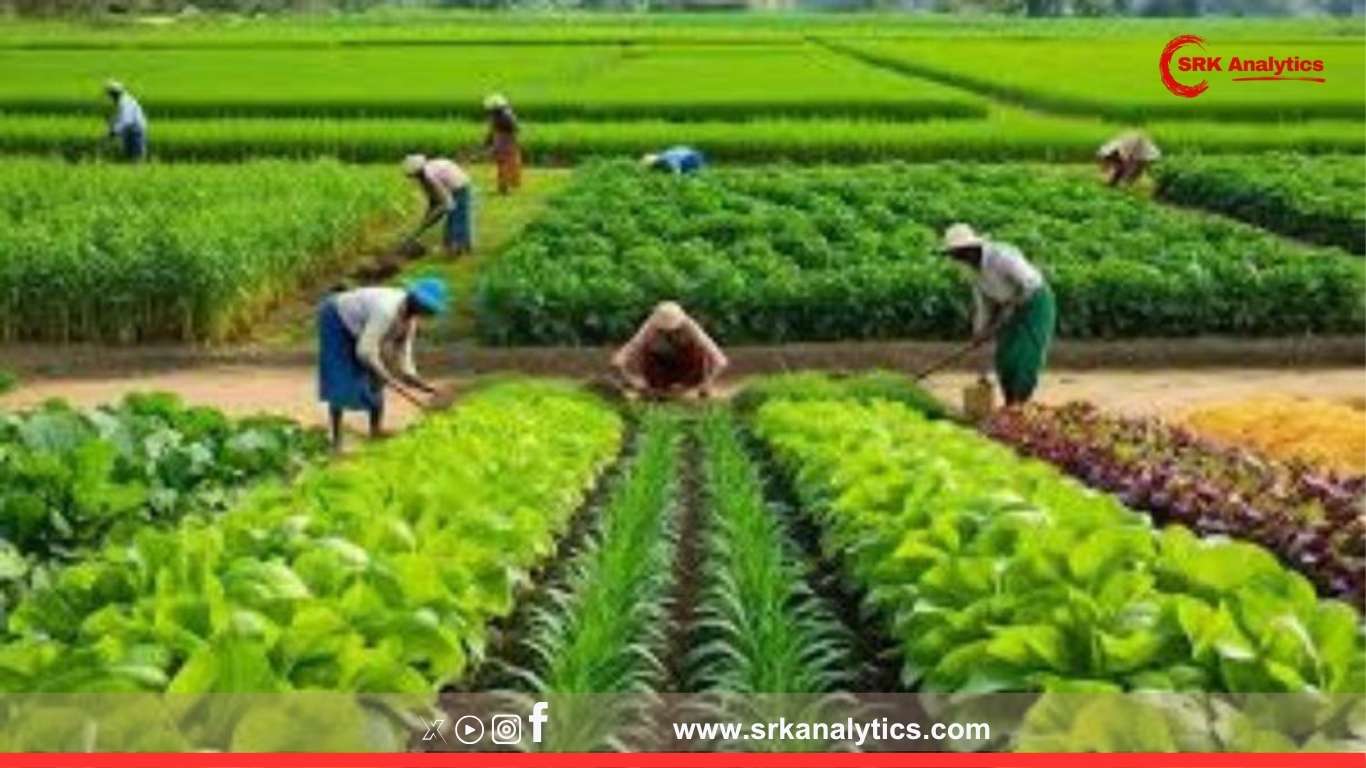
India’s agriculture sector is undergoing a structural transformation marked by a steady decline in the share of cereals and a significant surge in livestock, fisheries, horticulture, and allied sectors. This shift indicates evolving dietary patterns, higher protein demand, policy diversification, and changing economic incentives in rural India.
Key Highlights of India’s Agricultural Transformation
- Decline in cereal dominance: Cereals such as rice, wheat, and coarse grains are witnessing a reduced share in total agricultural Gross Value Added (GVA).
- Rise in livestock and fisheries: Milk, poultry, meat, eggs, and aquaculture are driving agricultural income diversification.
- Horticulture surpassing food grains: Fruits and vegetables production has overtaken food grains since FY13.
- Policy push for diversification: Government schemes for dairy, animal husbandry, and fisheries are enabling structural changes.
Trends in Agricultural GVA Composition
According to Ministry of Agriculture data, the share of cereals in India’s total agricultural GVA has declined over the past three decades.
| Sector | Share in Agri GVA (1990-91) | Share in Agri GVA (2020-21) |
|---|---|---|
| Cereals | 46% | 26% |
| Livestock | 18% | 31% |
| Fisheries | 3% | 6% |
| Horticulture | 16% | 27% |
| Others (pulses, oilseeds, fibres) | 17% | 10% |
This transition reflects India’s economic development, urbanisation, and dietary shifts from calorie-dense cereals to protein-rich and micronutrient-rich foods.
Livestock Sector Growth
The livestock sector, especially dairy and poultry, has become the backbone of rural incomes.
- India is the world’s largest milk producer, contributing ~23% of global production with over 220 million tonnes annually.
- Egg production has doubled in the past decade, reaching ~130 billion eggs in FY23.
- Poultry meat production crossed 4.5 million tonnes in FY23.
Fisheries Sector Boom
Fisheries is among India’s fastest-growing agricultural sectors with a CAGR of 7-8% over the last decade, driven by:
- Increased inland aquaculture (especially shrimp farming).
- Strong export demand from US, EU, and East Asian markets.
- Government schemes like PM Matsya Sampada Yojana for infrastructure, cold chains, and hatchery development.
| Metric | 2010-11 | 2020-21 |
|---|---|---|
| Total Fish Production | 8.4 million tonnes | 14.7 million tonnes |
| Inland Aquaculture Share | 55% | 65% |
| Marine Capture Share | 45% | 35% |
Horticulture: The Silent Revolution
India’s horticulture production has overtaken food grains for the past decade.
| Year | Horticulture Production (million tonnes) | Food Grains Production (million tonnes) |
|---|---|---|
| 2010-11 | 240 | 244 |
| 2015-16 | 283 | 252 |
| 2020-21 | 331 | 297 |
| 2022-23 | 340 (estimated) | 315 (estimated) |
States like Maharashtra, Andhra Pradesh, Uttar Pradesh, Gujarat, and Tamil Nadu are leading horticulture production, supporting nutritional security, employment, and exports.
Policy Diversification Driving The Shift
- National Livestock Mission: Promotes poultry, goatery, dairy entrepreneurship, fodder development, and indigenous breeds.
- PM Matsya Sampada Yojana: Targets doubling fisheries income by strengthening value chains, processing, and exports.
- Horticulture Mission: Boosts area expansion, post-harvest infrastructure, and cluster-based development.
- Minimum Support Price (MSP) coverage expansion: Encourages oilseeds, pulses, and coarse grains, though cereals remain MSP-focused.
Drivers of Agricultural Transformation
| Driver | Impact |
|---|---|
| Rising incomes | Shift to protein-rich food |
| Urbanisation | Greater demand for milk, meat, eggs |
| Dietary diversification | Decline in per capita cereal consumption |
| Export demand | Boost for fisheries and horticulture |
| Climate adaptation | Livestock and aquaculture less monsoon-dependent |
Regional Variation
The extent of transformation varies by state:
- Punjab, Haryana, Uttar Pradesh remain cereal-focused due to historical procurement systems.
- Maharashtra, Tamil Nadu, Andhra Pradesh diversified towards horticulture, dairy, and aquaculture.
- Northeast states are emerging as fisheries and organic horticulture hubs.
Challenges Ahead
- Climate change risks: Livestock faces heat stress; fisheries impacted by coastal degradation.
- Market access: Infrastructure gaps in cold chains and processing reduce realisation for farmers.
- Biosecurity concerns: Disease outbreaks in poultry, dairy, and fisheries require robust veterinary and aquatic health systems.
- Cereal policy lock-in: Procurement-led systems disincentivise diversification in some regions.
Expert Views
- Dr. Ramesh Chand, Member, NITI Aayog:
“India’s dietary transition is well underway. Policy must incentivise market-led diversification while ensuring nutritional security for the poor.” - Prof. Ashok Gulati, Agricultural Economist:
“Livestock and fisheries are India’s growth engines. However, value chain investments, export competitiveness, and regulatory reforms are critical for their sustained expansion.”
Way Forward
- Integrated farming systems: Promote crop-livestock-fish integration for income stability and resource efficiency.
- Cold chain development: To reduce perishables’ wastage and improve farm gate prices.
- Animal health infrastructure: Enhance veterinary services and disease surveillance.
- Export competitiveness: Streamline certification and trade facilitation to expand marine and horticulture exports.
Conclusion
India’s agricultural transformation reflects its economic progress and nutritional aspirations. The steady decline in cereals’ share, offset by the rise in livestock, fisheries, and horticulture, offers opportunities to raise farmer incomes, improve nutrition, and enhance rural employment. However, realising this potential requires integrated policies, infrastructure investments, climate adaptation, and market reforms to make Indian agriculture globally competitive and environmentally sustainable.
Disclaimer: This news report is for informational purposes only and does not constitute investment advice or recommendations. Readers are advised to consult agricultural economists, policymakers, and official data sources before making any business, policy, or investment decisions based on this report. The publication is not responsible for any decisions taken based on the information presented.