




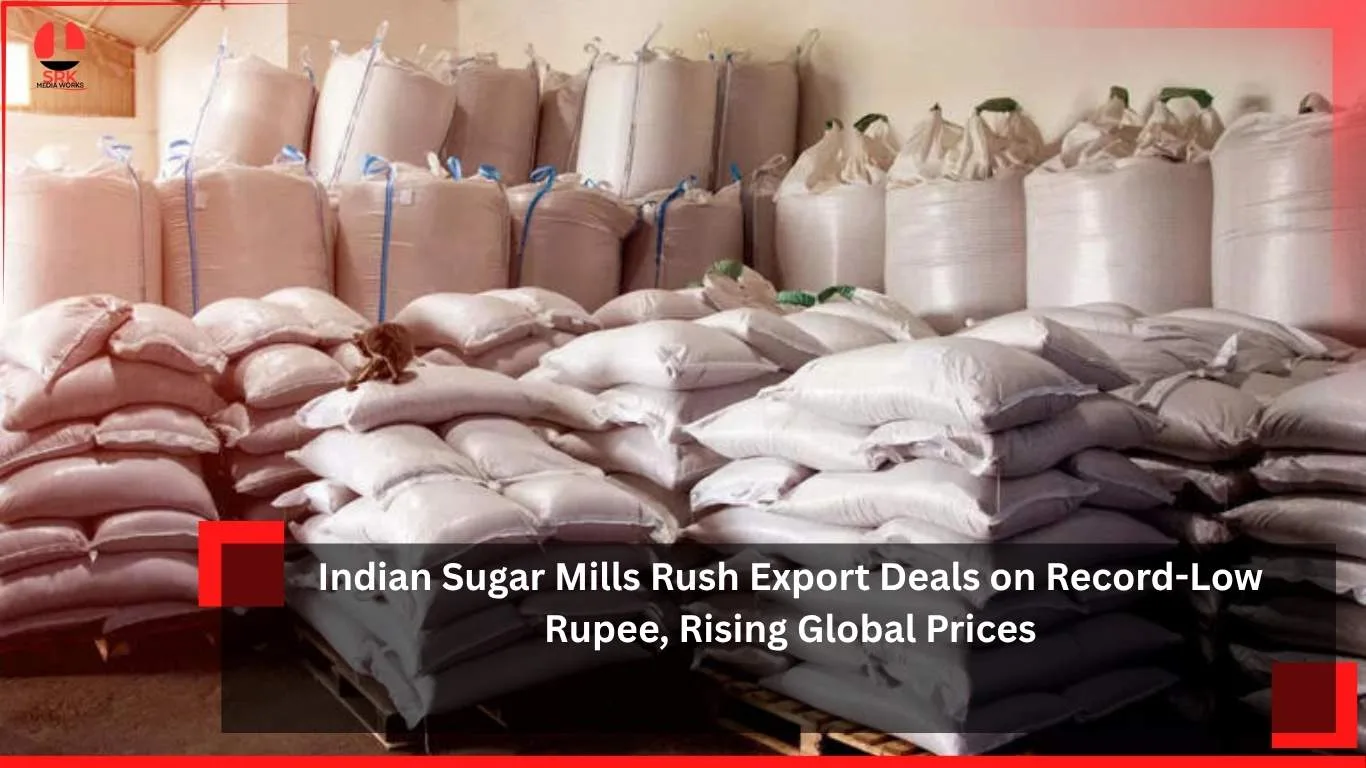
India’s sugar industry is witnessing a surge in export activity as mills rush to finalize deals, driven by a record-low rupee and rising global sugar prices. The combination of favorable currency exchange rates and strong international demand has created a golden opportunity for Indian exporters, who are keen to capitalize before market conditions shift.
Why Sugar Mills Are Rushing
- Weak Rupee Advantage: The rupee’s depreciation makes Indian sugar cheaper in global markets, boosting competitiveness.
- Global Price Surge: International sugar prices have risen due to supply shortages in Brazil and Thailand.
- High Demand: Countries in Asia, Africa, and the Middle East are seeking reliable suppliers to meet consumption needs.
- Government Policy: Export quotas and incentives have encouraged mills to maximize shipments.
Comparative Analysis of Sugar Export Dynamics
| Factor | Current Scenario | Past Scenario | Impact on Mills |
|---|---|---|---|
| Currency Exchange | Rupee at record low | Stable rupee | Higher export margins |
| Global Prices | Rising sharply | Moderate | Strong demand for Indian sugar |
| Domestic Supply | Adequate stocks | Surplus | Export push feasible |
| Government Policy | Supportive quotas | Restrictive | Encourages aggressive deals |
This comparison shows why mills are aggressively pursuing export contracts now.
Pivot Analysis: Impact of Export Surge
| Stakeholder | Short-Term Impact | Long-Term Consequence |
|---|---|---|
| Sugar Mills | Higher revenues | Stronger global presence |
| Farmers | Better cane demand | Stable income growth |
| Exporters | Increased contracts | Expanded market reach |
| Domestic Consumers | Possible price rise | Need for balanced policy |
Global Market Context
- Brazil: Weather disruptions have reduced sugar output, tightening supply.
- Thailand: Lower production due to crop damage has added pressure on global prices.
- Middle East & Africa: Rising consumption is driving demand for imports.
- India: Positioned as a reliable supplier with competitive pricing.
Benefits for India
- Foreign Exchange Earnings: Higher exports strengthen India’s forex reserves.
- Farmer Support: Increased demand for sugarcane benefits rural economies.
- Industry Growth: Mills can reinvest profits into modernization.
- Global Positioning: India cements its role as a key sugar exporter.
Challenges Ahead
- Domestic Prices: Excessive exports could push up sugar prices at home.
- Policy Balancing: Government must ensure adequate domestic supply.
- Global Volatility: Prices may fall if Brazil’s production recovers.
- Logistics: Ports and shipping must handle increased volumes efficiently.
Possible Outcomes
- Export Boom: Mills secure record deals, boosting revenues and farmer incomes.
- Domestic Shortage: Aggressive exports lead to higher local prices.
- Balanced Growth: Government manages quotas to ensure both domestic stability and export success.
- Global Correction: Prices stabilize, reducing margins for exporters.
Conclusion
The news that Indian sugar mills are rushing export deals on a record-low rupee and rising global prices highlights a pivotal moment for the industry. With favorable conditions aligning, India’s sugar sector is poised to reap significant benefits. However, balancing domestic needs with export ambitions will be crucial to sustaining long-term growth.
As mills continue to lock in contracts, the outcome will shape not only India’s sugar industry but also its role in the global commodities market.
Disclaimer: This article is based on reported market trends and policy analysis. It does not represent official government data or financial advice. Readers should consult verified sources before making investment or trade decisions.