




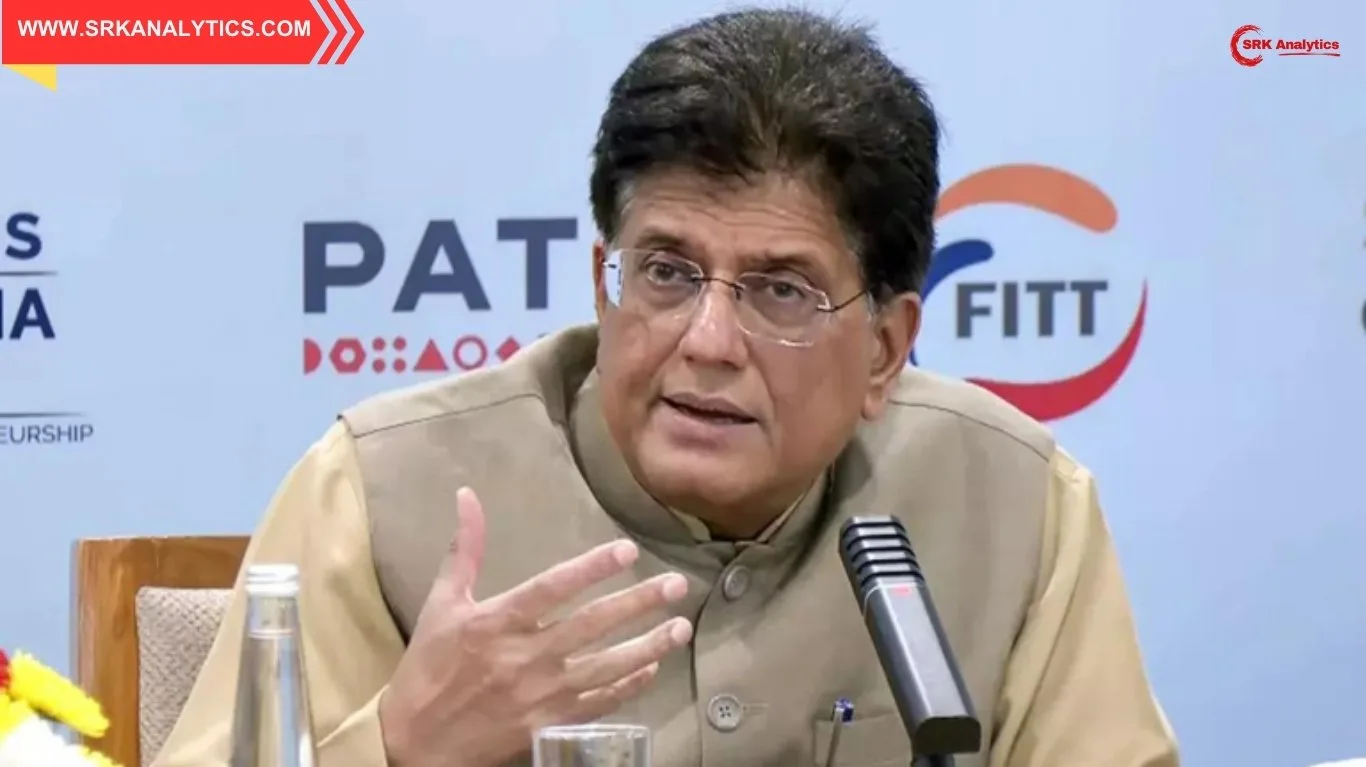
Union Commerce and Industry Minister Piyush Goyal has stated that the recently signed India-US trade deal will play a crucial role in helping India secure crude oil at more competitive prices. The agreement, which strengthens bilateral economic ties, is expected to enhance India’s energy security, reduce import costs, and provide a stable foundation for long-term growth.
Key Highlights
- Crude Oil Security: India to benefit from competitive pricing under the trade deal.
- Energy Stability: Agreement ensures reliable supply channels from the US.
- Economic Impact: Lower crude costs will reduce inflationary pressures.
- Strategic Partnership: Strengthens India-US relations in energy and trade.
- Global Positioning: India emerges as a key player in global energy negotiations.
Why Crude Oil Pricing Matters
- Import Dependency: India imports over 80% of its crude oil requirements.
- Inflation Control: Competitive pricing helps stabilize fuel costs.
- Industrial Growth: Affordable energy boosts manufacturing and logistics.
- Consumer Relief: Lower fuel prices benefit households and businesses.
Comparative Analysis: Crude Imports
| Country | Source of Crude | Pricing Advantage | Strategic Risk |
|---|---|---|---|
| India (US Deal) | US crude supply | Competitive rates | Currency fluctuations |
| China | Middle East | Bulk imports | Geopolitical tensions |
| Japan | Middle East/US | Stable contracts | High dependency |
| EU | Russia/US | Diversified supply | Political risks |
This comparison shows India gaining a competitive edge by diversifying crude imports through the US deal.
Pivot Analysis: Stakeholder Perspectives
| Stakeholder | Position on Trade Deal | Impact |
|---|---|---|
| Government | Supportive | Strengthens energy security |
| Oil Companies | Positive | Access to stable supply at better rates |
| Consumers | Positive | Potential reduction in fuel prices |
| Investors | Optimistic | Confidence in India’s energy sector |
| Regulators | Neutral/Supportive | Need for monitoring compliance |
The pivot analysis highlights optimism across stakeholders, with consumers and oil companies benefiting directly.
Benefits of the Trade Deal
- Energy Security: Reliable supply of crude oil.
- Economic Stability: Reduced import costs lower inflation.
- Global Partnerships: Strengthens India-US strategic ties.
- Industrial Growth: Affordable energy supports manufacturing expansion.
- Investor Confidence: Attracts global investment in India’s energy sector.
Challenges Ahead
- Currency Volatility: Dollar fluctuations may impact crude pricing.
- Geopolitical Risks: Global tensions could disrupt supply chains.
- Infrastructure Needs: India must expand refining and storage capacity.
- Sustainability Push: Balancing crude imports with renewable energy goals.
Broader Economic Context
India’s energy sector is undergoing rapid transformation:
- Renewable Expansion: Government push for solar and wind energy.
- Industrial Demand: Rising need for affordable energy in manufacturing.
- Global Positioning: India emerging as a key player in global energy negotiations.
- Policy Support: Trade deals and reforms aimed at reducing dependency risks.
Conclusion
The India-US trade deal marks a significant step in securing crude oil at competitive prices, as highlighted by Piyush Goyal. By strengthening energy security, reducing import costs, and stabilizing inflation, the agreement is poised to benefit consumers, industries, and investors alike. As India balances crude imports with renewable energy expansion, this deal reinforces its position as a global economic and energy leader.
Disclaimer
This article is intended for informational purposes only. It provides an overview of Piyush Goyal’s remarks on the India-US trade deal and its implications for crude oil pricing and energy security. It does not constitute financial or investment advice. Readers should consult experts before making decisions based on this content.