



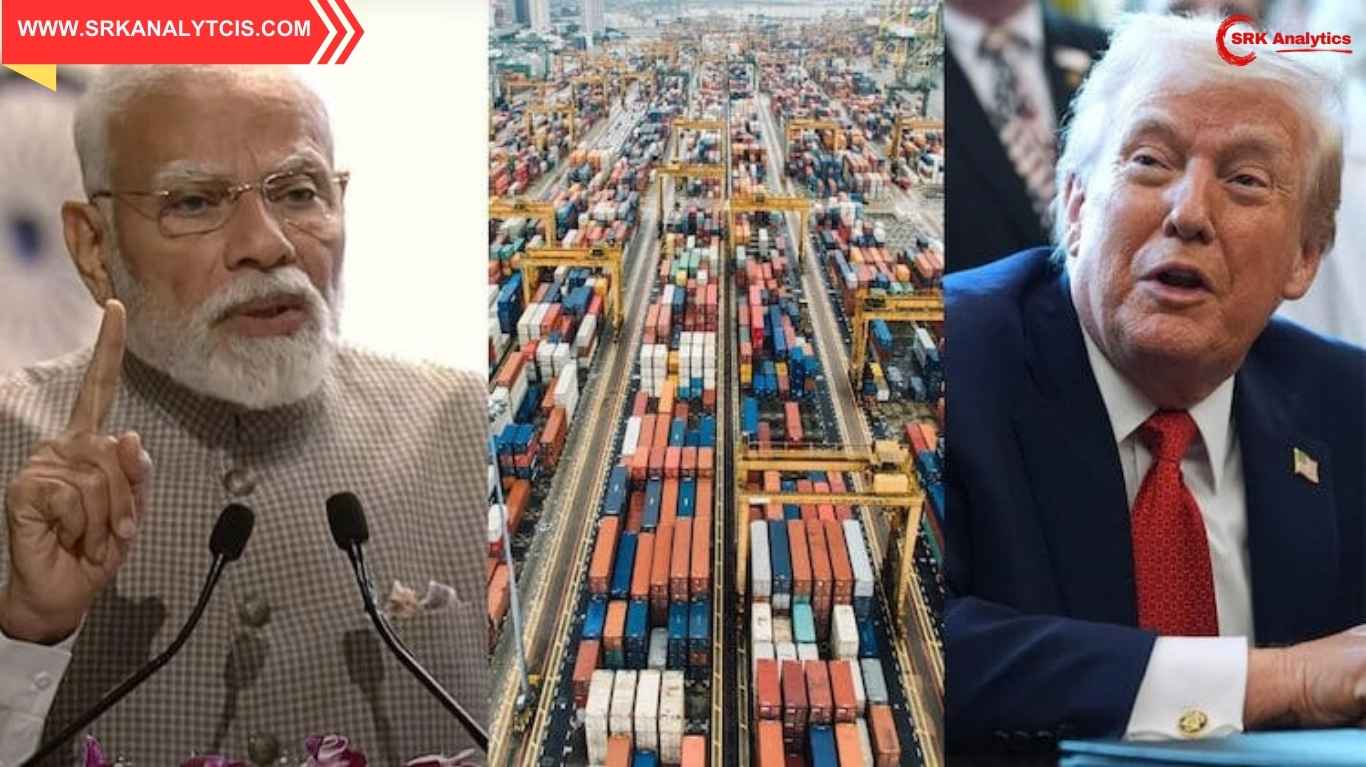
The India-US trade deal has once again come under scrutiny, with noted strategic affairs expert Brahma Chellaney stating that it is inevitable for such an agreement to reflect a structural imbalance. His remarks highlight the complexities of bilateral trade relations between the two largest democracies in the world, where economic interests, geopolitical considerations, and domestic priorities often collide.
Key Highlights
- Structural Imbalance: Chellaney argues that the trade deal inherently favors the US due to its economic leverage.
- India’s Position: India seeks greater market access but faces challenges in balancing domestic industry protection.
- Geopolitical Context: The deal is shaped not only by economics but also by strategic considerations in the Indo-Pacific.
- Future Outlook: Analysts believe India must diversify trade partnerships to reduce dependency.
Why Structural Imbalance Exists
- Economic Size Difference: The US economy is significantly larger, giving it greater bargaining power.
- Trade Composition: India exports more labor-intensive goods, while the US exports high-value technology and services.
- Regulatory Standards: US demands often push India to adopt stricter standards, impacting local industries.
- Strategic Leverage: The US uses trade as a tool to advance geopolitical interests.
Comparative Trade Analysis
| Aspect | India’s Position | US Position |
|---|---|---|
| Economic Size | $4 trillion GDP | $27 trillion GDP |
| Key Exports | Textiles, pharma, IT services | Technology, defense, agriculture |
| Market Access Goals | Greater access to US markets | Entry into Indian retail and agriculture |
| Bargaining Power | Moderate | Strong |
Historical Context of India-US Trade Relations
India and the US have had a complex trade relationship for decades. While cooperation has grown in sectors like IT and defense, disputes over tariffs, intellectual property rights, and agricultural imports remain persistent.
- Tariff Disputes: India has often resisted lowering tariffs on sensitive sectors.
- Intellectual Property: US companies push for stronger IP protections, impacting India’s pharma industry.
- Agriculture: US seeks greater access to India’s agricultural market, which faces resistance from local farmers.
Impact on Indian Economy
The structural imbalance in trade deals often results in India making concessions that affect domestic industries. While access to US technology and investment is beneficial, the pressure on local manufacturers and farmers can be significant.
Positive Outcomes
- Increased foreign investment.
- Access to advanced technology.
- Strengthened strategic partnership.
Challenges
- Pressure on local industries.
- Risk of dependency on US imports.
- Limited bargaining flexibility.
Market Reaction
| Metric | Before Trade Deal | After Trade Deal |
|---|---|---|
| Investor Sentiment | Neutral | Positive but cautious |
| Export Growth | Moderate | Slight increase |
| Import Dependency | Balanced | Higher on US goods |
| Strategic Cooperation | Limited | Expanded |
Expert Opinions
- Economists: Stress the need for India to diversify trade partnerships to reduce reliance on the US.
- Strategic Analysts: Highlight that trade deals are often influenced by geopolitical considerations.
- Policy Makers: Emphasize balancing domestic industry protection with global integration.
Broader Geopolitical Context
The India-US trade deal cannot be viewed in isolation. It is part of a larger strategic partnership aimed at countering China’s influence in the Indo-Pacific. While trade imbalances exist, both nations see value in strengthening ties for geopolitical stability.
Future Outlook
- Diversification: India likely to expand trade with EU, ASEAN, and African nations.
- Domestic Reforms: Strengthening local industries to withstand global competition.
- Strategic Balance: Using trade as a tool to enhance geopolitical positioning.
- Technology Transfer: Leveraging US partnerships for innovation while protecting local interests.
Disclaimer
This article is based on publicly available commentary and analysis regarding the India-US trade deal and Brahma Chellaney’s views on its structural imbalance. It is intended for informational purposes only and does not represent official policy positions. Readers are encouraged to follow official government releases for the latest updates.