

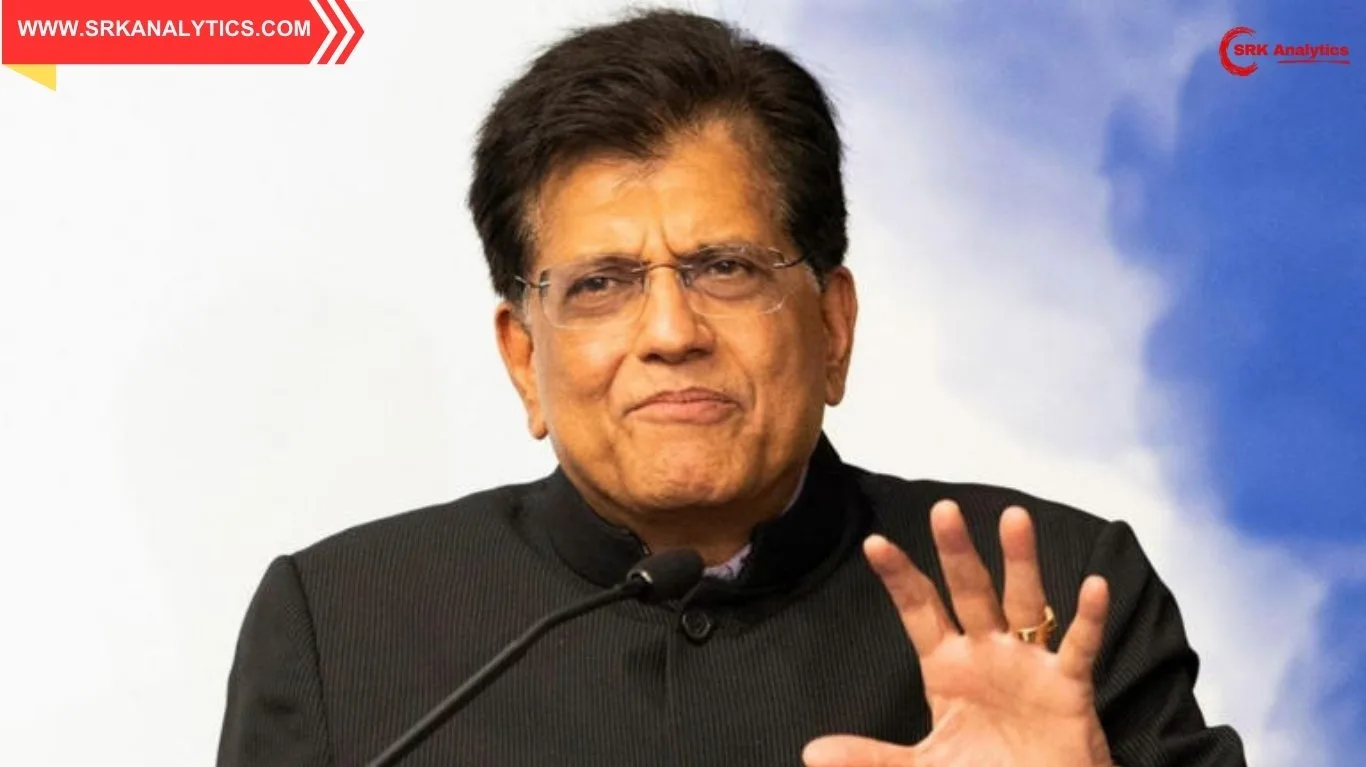
India and the United States are set to finalize a landmark interim trade agreement by March 2026, with tariffs on Indian exports to the US expected to drop from nearly 50% to 18% starting next week, according to Union Commerce Minister Piyush Goyal. The deal marks a significant reset in bilateral trade relations, aiming to boost trade volumes to $500 billion over the next five years.
Key Highlights
- Tariff Reduction: US tariffs on Indian goods to be cut to 18% via executive order.
- Timeline: Formal signing of the trade deal expected by mid-March 2026.
- Market Access: Over half of Indian exports to the US will become duty-free, while another third will face sharply reduced tariffs.
- Sectoral Gains: Textiles, machinery, pharmaceuticals, gems, jewellery, and agriculture expected to benefit.
- Strategic Cooperation: Expanded collaboration on technology, digital trade, and resilient supply chains.
Analysis of India-US Trade Deal
| Factor | Traditional Challenge | Current Scenario (2026) | Outcome Observed |
|---|---|---|---|
| Tariff Barriers | High tariffs restricted exports | Tariffs reduced to 18% | Export boost |
| Market Access | Limited opportunities | Duty-free access for 50% of exports | Wider reach |
| Sectoral Competitiveness | India lagged behind peers | Competitive edge over China, ASEAN | Stronger positioning |
| Policy Environment | Trade tensions | Reset through interim deal | Stability |
| Investor Confidence | Uncertainty in trade policy | Clarity through agreement | Positive sentiment |
Comparative Analysis of Trade Agreements
| Agreement | Key Features | Impact on India |
|---|---|---|
| India-US Interim Deal | Tariff cut to 18%, duty-free access for half of exports | Boost to textiles, pharma, machinery |
| India-EU FTA | Regulatory alignment, tariff reduction | Strengthens compliance and exports |
| India-UK FTA | Tariff cuts, investment flows | Gains for apparel and auto sectors |
| India-ASEAN FTA | Regional integration | Expands electronics and machinery trade |
Sectoral Impact
- Textiles & Apparel: Duty-free access expected to double exports.
- Pharmaceuticals: Generic medicines to enjoy tariff-free entry.
- Machinery & Auto Components: Tariff-rate quotas to boost competitiveness.
- Agriculture & Fisheries: Lower tariffs to expand exports.
- Gems & Jewellery: Duty-free access strengthens India’s global leadership.
Market and Industry Reaction
- Brokerages: Analysts see the deal as enhancing India’s competitiveness versus other emerging markets.
- Exporters: Welcomed tariff cuts as a game-changer for global market access.
- Policy Makers: Highlighted the agreement as a reset in India-US economic ties.
- Global Observers: Viewed the deal as a strategic alignment between two major economies.
Future Outlook
The India-US trade deal is expected to:
- Increase bilateral trade to $500 billion in five years.
- Strengthen India’s role in global supply chains.
- Enhance competitiveness against China and other emerging markets.
- Provide long-term clarity for exporters and investors.
Challenges ahead:
- Ensuring smooth implementation of tariff changes.
- Managing domestic industry concerns about foreign competition.
- Sustaining momentum amid global economic uncertainties.
Conclusion
The India-US trade agreement, with tariffs reduced to 18% starting next week, represents a transformative moment in bilateral relations. As Commerce Minister Piyush Goyal confirmed, the deal will be formally signed by March 2026, opening new opportunities across sectors and resetting economic ties. With expanded market access and strategic cooperation, India is poised to strengthen its global competitiveness and secure long-term growth in trade and investment.
Disclaimer
This article is intended for informational and analytical purposes only. It summarizes publicly available economic and policy updates. It does not constitute investment advice, financial recommendations, or professional consultation. Readers are encouraged to verify facts independently and consult experts before making economic or trade-related decisions.