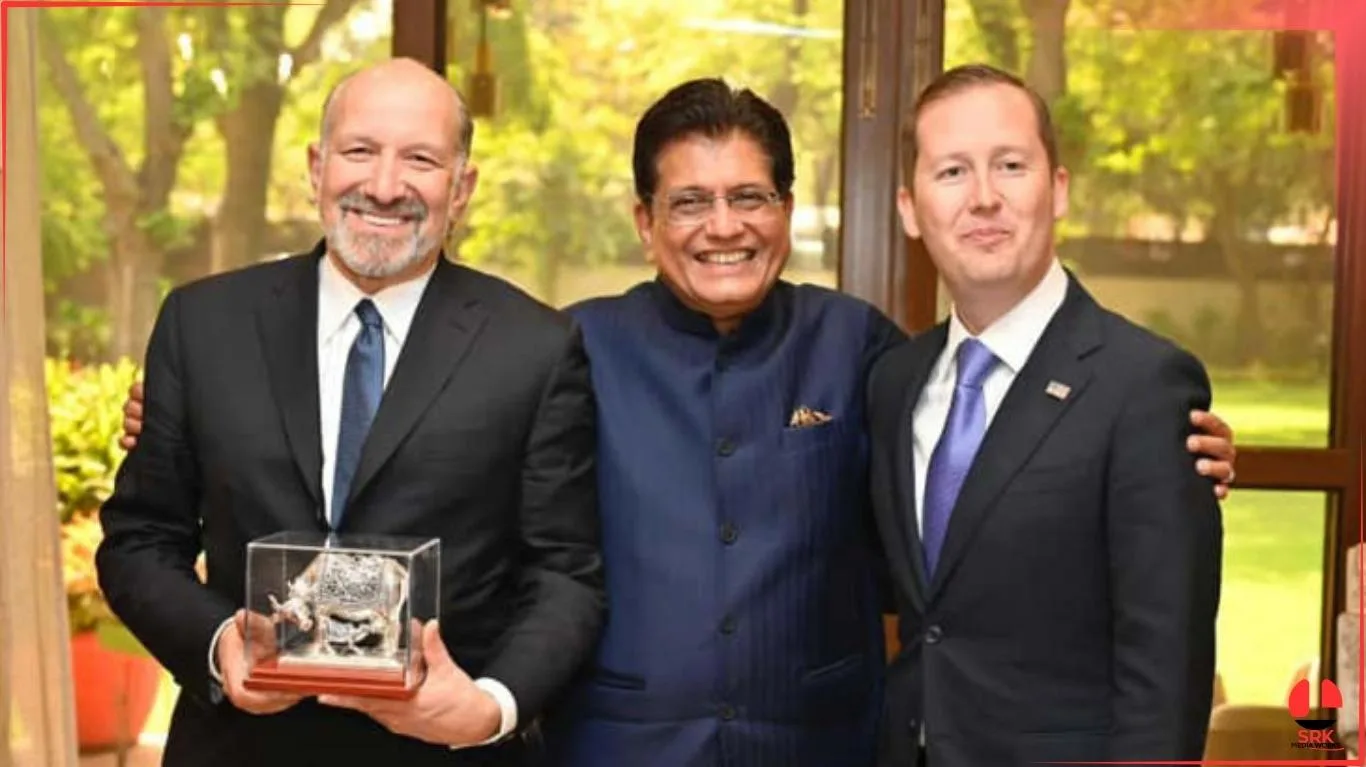

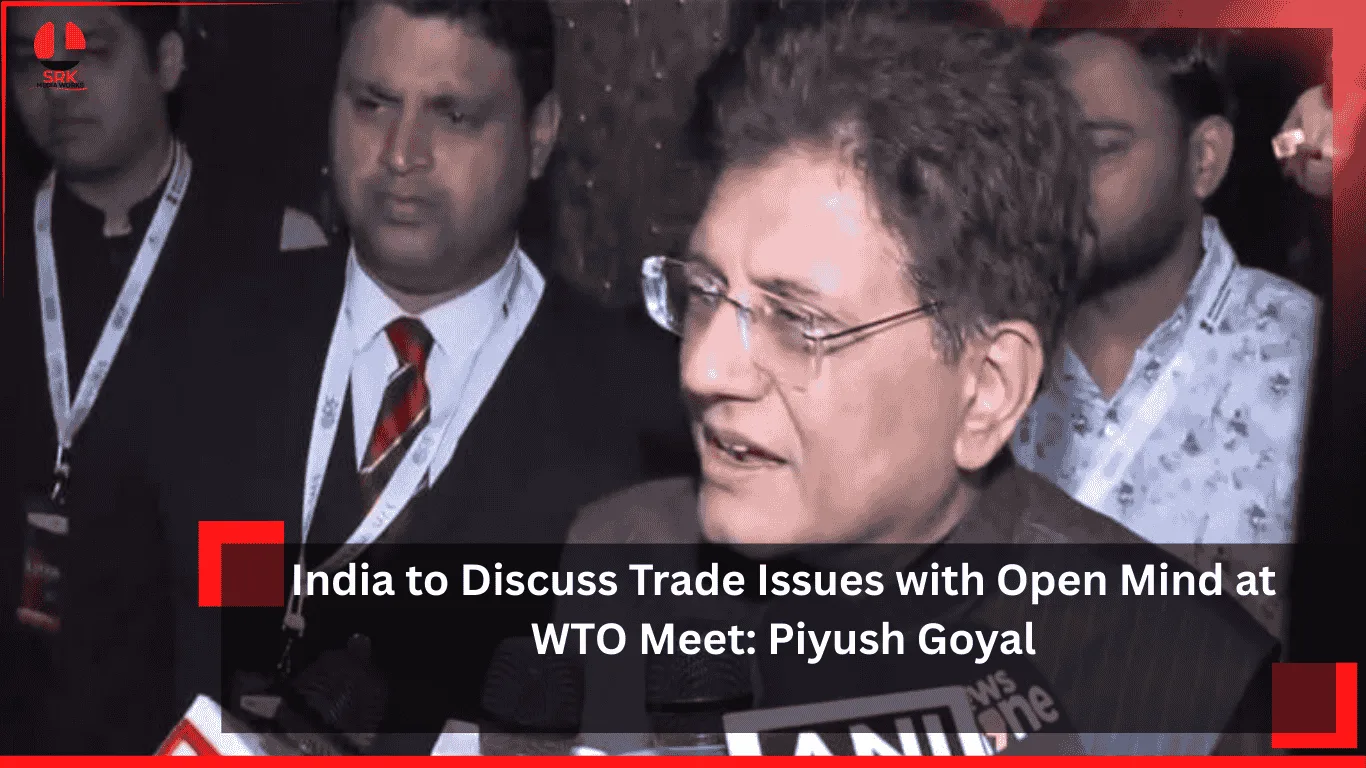
Union Commerce and Industry Minister Piyush Goyal has stated that India will approach the upcoming World Trade Organization (WTO) ministerial meeting with an “open mind,” signaling New Delhi’s willingness to engage constructively on global trade challenges. His remarks come at a time when trade negotiations are increasingly complex, with issues ranging from agricultural subsidies to digital commerce and sustainability.
🌍 Background
India has been a key voice at WTO forums, often advocating for the interests of developing nations. With global trade facing disruptions due to geopolitical tensions, supply chain challenges, and climate concerns, the WTO meet is expected to focus on reforms and equitable solutions.
🏛️ India’s Position
- Agriculture: India has consistently defended its right to support farmers through subsidies and public stockholding programs.
- Digital Trade: India seeks balanced rules that protect domestic industries while encouraging innovation.
- Sustainability: India emphasizes fair responsibility-sharing in climate-related trade measures.
- Open Mind Approach: Goyal stressed that India will listen to proposals, negotiate fairly, and protect national interests.
📊 Comparative Overview of Key Trade Issues
| Issue | India’s Position | Developed Nations’ Position | Likely Outcome |
|---|---|---|---|
| Agricultural Subsidies | Protect farmers, food security | Reduce subsidies, open markets | Ongoing debate |
| Digital Commerce | Balanced rules, protect local firms | Liberalization, global standards | Negotiations continue |
| Climate & Sustainability | Shared responsibility, fair measures | Stricter environmental trade rules | Compromise needed |
| WTO Reforms | Inclusive, transparent processes | Faster dispute resolution, efficiency | Reform roadmap |
📈 Pivot Analysis: National Interests vs Global Commitments
| Factor | National Interests | Global Commitments |
|---|---|---|
| Agriculture | Food security, farmer welfare | Market liberalization |
| Digital Trade | Protect domestic startups | Harmonized global rules |
| Sustainability | Development priorities | Climate obligations |
| WTO Reforms | Voice for developing nations | Efficiency and modernization |
🔎 Broader Implications
- Global Trade Balance: India’s stance will influence negotiations on agriculture and digital trade.
- Developing Nations’ Voice: India often leads coalitions of developing countries, amplifying their concerns.
- Investor Confidence: Constructive engagement at WTO boosts India’s image as a reliable trade partner.
🗣️ Expert Opinions
- Trade Analysts: Believe India’s open-minded approach could help bridge gaps between developed and developing nations.
- Economists: Stress that balancing national interests with global commitments is key to sustainable growth.
- Industry Leaders: Welcome India’s stance, hoping for clarity on digital trade and supply chain rules.
🌐 Impact on India’s Economy
India’s participation in WTO negotiations directly affects sectors like agriculture, technology, and manufacturing. A balanced outcome could enhance export opportunities, strengthen domestic industries, and improve India’s global trade standing.
📝 Conclusion
Piyush Goyal’s assurance that India will discuss trade issues with an open mind at the WTO meet reflects New Delhi’s pragmatic approach. While protecting national interests remains paramount, India’s willingness to engage constructively signals its commitment to shaping fair and inclusive global trade rules.
Disclaimer
This article is based on public commentary and trade policy analysis. It does not represent endorsement of any political figure or government. The content is intended for informational and educational purposes only, highlighting India’s stance at the WTO and its implications for global trade. Readers are encouraged to follow official updates for real-time developments.