





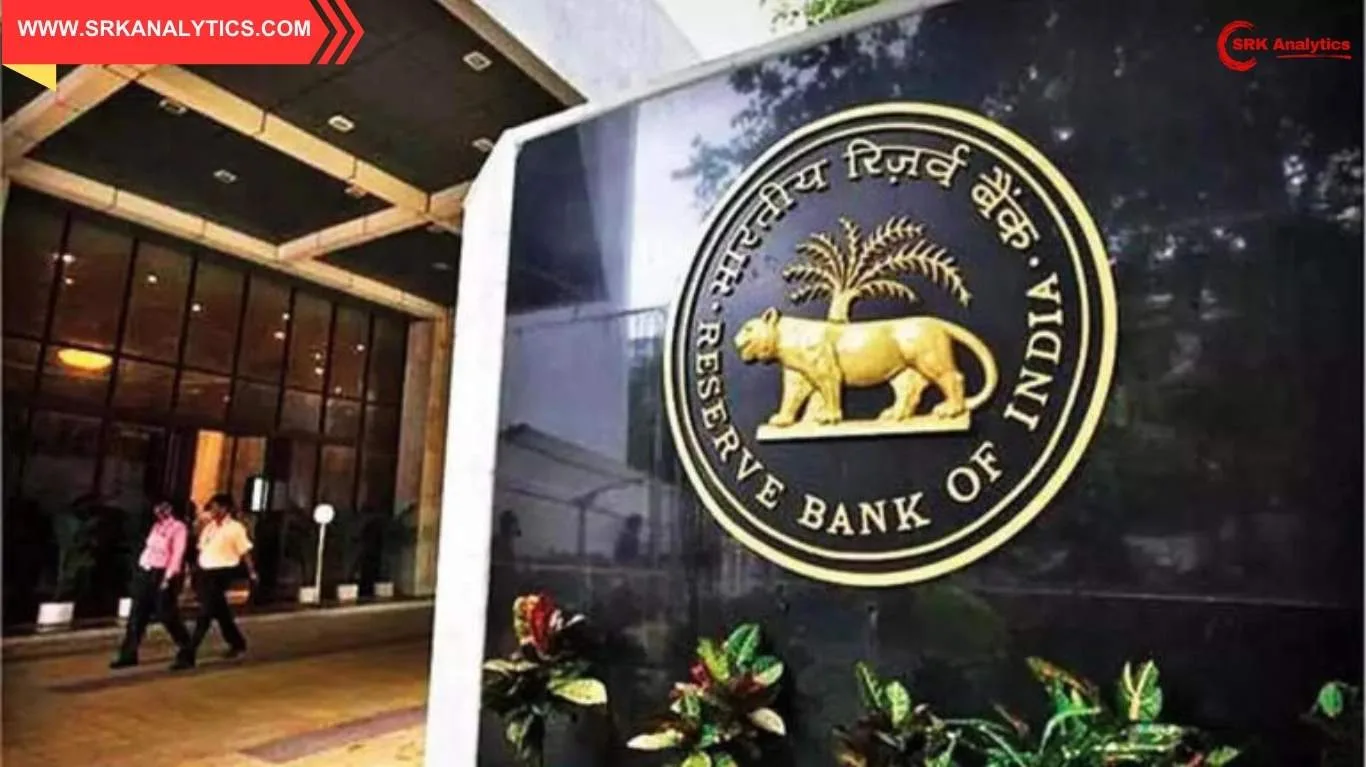
India has taken a significant step in its debt management strategy by switching FY27 maturity bonds with the Reserve Bank of India (RBI) and simultaneously issuing a new 2040 maturity paper. This move reflects the government’s focus on extending the maturity profile of its debt, reducing refinancing risks, and ensuring fiscal stability as it pursues long-term growth objectives.
Background of the Bond Switch
- The government routinely engages in bond switches with the RBI to manage its debt profile.
- By replacing shorter-term FY27 bonds with longer-term 2040 paper, India aims to spread repayment obligations over a longer horizon.
- This strategy helps reduce rollover risks and ensures smoother fiscal planning.
Why the 2040 Paper Matters
- Extended Maturity: Issuing 2040 bonds lengthens India’s debt profile, reducing near-term repayment pressure.
- Investor Confidence: Long-dated securities attract institutional investors seeking stable returns.
- Fiscal Discipline: Demonstrates proactive debt management by the government.
- Market Liquidity: Enhances the depth of India’s bond market with diversified maturity instruments.
Comparative Analysis of India’s Bond Issuances
| Year | Bond Issuance | Maturity | Strategic Impact |
|---|---|---|---|
| 2023 | 10-year G-Sec | 2033 | Benchmark for pricing |
| 2025 | 15-year G-Sec | 2040 | Long-term investor confidence |
| 2026 | FY27 switch | 2040 | Reduced refinancing risk |
| 2040 | New issuance | 2040 | Strengthened debt profile |
This table highlights how India’s bond issuance strategy has evolved to balance short-term liquidity with long-term fiscal stability.
Implications for the Economy
- Debt Sustainability: Longer maturities reduce refinancing risks and improve debt sustainability.
- Investor Base Expansion: Attracts pension funds, insurance companies, and sovereign wealth funds.
- Fiscal Planning: Provides the government with more flexibility in managing expenditure and revenue cycles.
- Market Development: Strengthens India’s position in global fixed-income markets.
Challenges Ahead
- Interest Rate Risks: Longer-dated bonds expose the government to potential interest rate fluctuations.
- Global Uncertainty: External shocks could impact investor appetite for long-term securities.
- Domestic Demand: Ensuring consistent demand from domestic institutions is critical.
- Liquidity Management: Balancing short-term and long-term issuances remains a challenge.
Conclusion
India’s decision to switch FY27 maturity bonds with the RBI and issue new 2040 paper underscores its commitment to proactive debt management. By extending the maturity profile, the government reduces refinancing risks and strengthens fiscal stability. The move also enhances investor confidence and deepens India’s bond market, aligning with the country’s long-term economic vision.
Disclaimer
This article is based on publicly available information and journalistic analysis of India’s debt management strategy. It is intended for informational purposes only and does not represent insider accounts or official government documents. Readers should view this as a balanced overview of the situation.