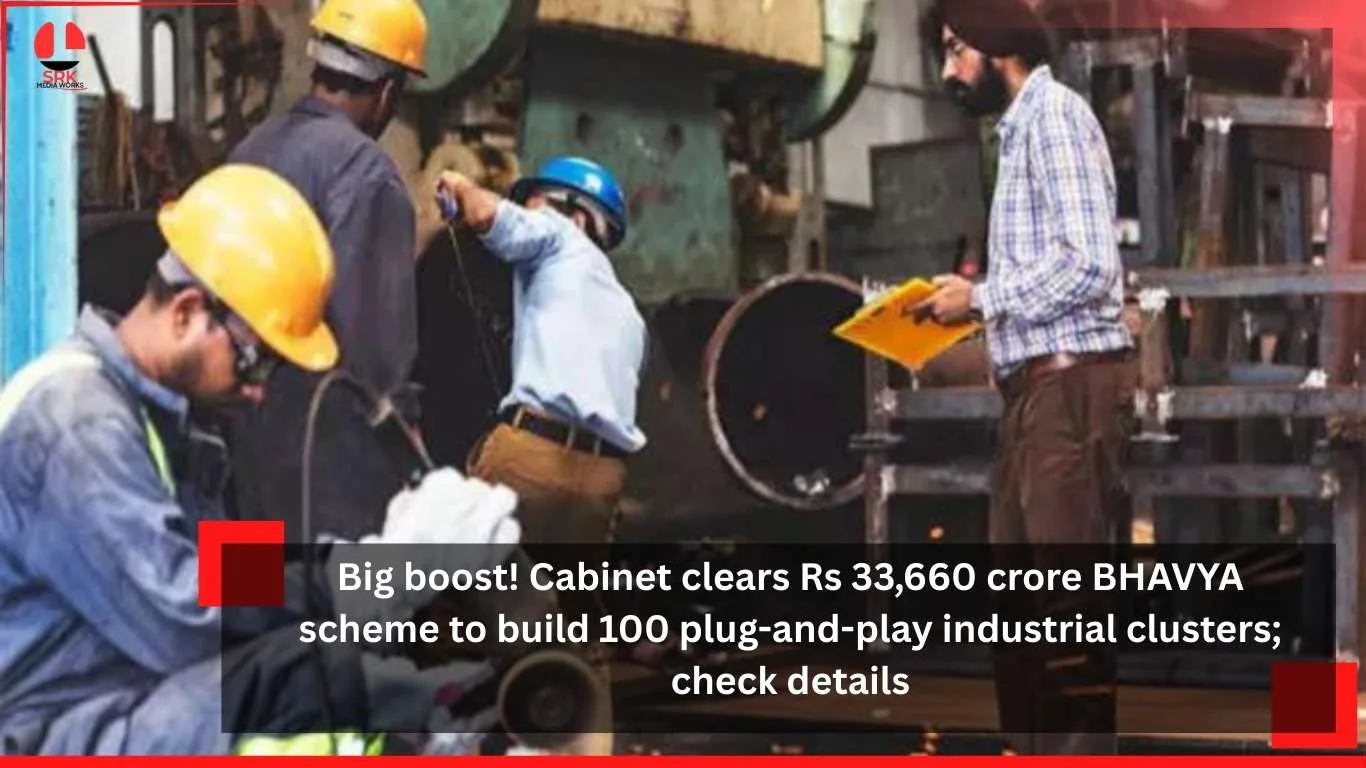





India is preparing a bold push to strengthen its manufacturing sector and expand exports, with government sources indicating that a major deregulation package could be announced in the upcoming Union Budget. The ambitious plan aims to help India achieve $1.3 trillion in exports, positioning the country as a global manufacturing hub and reducing reliance on imports.
Background of the Policy Push
- India’s manufacturing sector has long been constrained by regulatory hurdles, complex compliance requirements, and high costs of doing business.
- The government’s new initiative seeks to simplify rules, reduce red tape, and encourage private investment.
- The move aligns with India’s broader economic vision of becoming a $5 trillion economy and strengthening its global trade footprint.
- Sources suggest that the deregulation package will cover sectors such as electronics, textiles, automobiles, chemicals, and renewable energy.
Key Highlights
| Indicator | Details |
|---|---|
| Policy Initiative | Deregulation of manufacturing sector |
| Target | $1.3 trillion in exports |
| Announcement | Likely in upcoming Union Budget |
| Focus Areas | Electronics, textiles, automobiles, chemicals, renewable energy |
| Broader Impact | Boost competitiveness, attract FDI, create jobs |
Current Challenges vs Proposed Deregulation
| Factor | Current Challenges | Proposed Deregulation | Implication |
|---|---|---|---|
| Compliance | Complex rules, multiple clearances | Simplified processes, single-window approvals | Faster business setup |
| Costs | High regulatory burden | Reduced compliance costs | Improved profitability |
| Investment | Hesitant due to red tape | Encouraged by ease of doing business | Increased FDI inflows |
| Exports | Limited competitiveness | Boosted by streamlined policies | Higher global market share |
| Employment | Slower job creation | Accelerated industrial growth | Millions of new jobs |
Why This Story Matters
- Economic Growth: Manufacturing deregulation could accelerate India’s GDP growth.
- Global Trade: Achieving $1.3 trillion in exports would make India a major player in global supply chains.
- Investor Confidence: Simplified rules attract both domestic and foreign investors.
- Job Creation: Expanding manufacturing capacity creates employment opportunities across sectors.
- Strategic Positioning: Strengthens India’s role in global geopolitics through trade dominance.
Drivers of the Policy
- Global Supply Chain Shifts: Companies are diversifying away from China, creating opportunities for India.
- Domestic Demand: Rising consumption supports manufacturing expansion.
- Government Vision: Aligns with Make in India and Atmanirbhar Bharat initiatives.
- Technology Integration: Digital tools can streamline compliance and improve efficiency.
- Export Ambition: Targeting $1.3 trillion in exports by leveraging competitive advantages.
Expert Opinions
- Economists: Believe deregulation will unlock India’s manufacturing potential.
- Industry Leaders: Welcome reforms but stress the need for consistent policy implementation.
- Investors: Express optimism about reduced compliance costs and improved profitability.
- Critics: Warn that deregulation must not compromise environmental and labor standards.
Challenges Ahead
- Implementation Risks: Ensuring reforms are executed effectively across states.
- Global Competition: Competing with established manufacturing hubs like China and Vietnam.
- Infrastructure Gaps: Logistics and supply chain bottlenecks must be addressed.
- Skill Development: Workforce training is essential to meet industry demands.
- Sustainability: Balancing growth with environmental responsibility.
Opportunities
- Electronics Manufacturing: Leveraging India’s growing digital economy.
- Textiles and Apparel: Expanding exports to global markets.
- Automobiles and EVs: Positioning India as a hub for electric mobility.
- Chemicals and Pharma: Strengthening supply chains for critical industries.
- Renewable Energy: Exporting clean energy solutions to global markets.
Broader Context of Indian Economy
- India’s economic vision emphasizes self-reliance, global competitiveness, and inclusive growth.
- Manufacturing deregulation aligns with long-term goals of reducing import dependence.
- The initiative could transform India into a preferred destination for global investors.
- Achieving $1.3 trillion in exports would mark a historic milestone in India’s trade journey.
Sectoral Breakdown of Impact
| Sector | Impact | Strategic Importance |
|---|---|---|
| Electronics | Boost in exports | Supports digital economy |
| Textiles | Expansion in global markets | Employment generation |
| Automobiles | EV manufacturing hub | Global competitiveness |
| Chemicals & Pharma | Strengthened supply chains | Critical industry support |
| Renewable Energy | Export of clean solutions | Sustainability leadership |
Media Coverage
- Headlines emphasize India’s ambitious $1.3 trillion export target.
- Analysts debate feasibility and highlight the importance of execution.
- Coverage underscores the role of deregulation in boosting competitiveness.
- The story continues to dominate discussions in economic and business circles.
Conclusion
India’s plan to boost manufacturing through deregulation and achieve $1.3 trillion in exports represents a bold step toward economic transformation. By simplifying compliance, reducing costs, and encouraging investment, the government aims to unlock the potential of small, medium, and large enterprises. While challenges remain in infrastructure, skills, and global competition, the initiative could redefine India’s role in global trade. For investors, businesses, and workers alike, the upcoming Union Budget may mark the beginning of a new era in India’s manufacturing journey.
Disclaimer
This article is intended for informational purposes only and does not constitute financial or investment advice. Policy decisions, regulatory changes, and market conditions are subject to change based on evolving circumstances. Readers are encouraged to follow official updates for accurate information. The author and publisher are not responsible for any decisions made based on this article.