



India’s energy trade continues to draw global attention as the country maintained its position as the second-largest buyer of Russian fossil fuels in January 2026, with imports valued at $2.59 billion. This development underscores India’s balancing act between securing affordable energy supplies and navigating complex geopolitical dynamics.
Background of India-Russia Energy Trade
India has significantly increased its imports of Russian fossil fuels since 2022, following global sanctions on Moscow that reshaped energy flows.
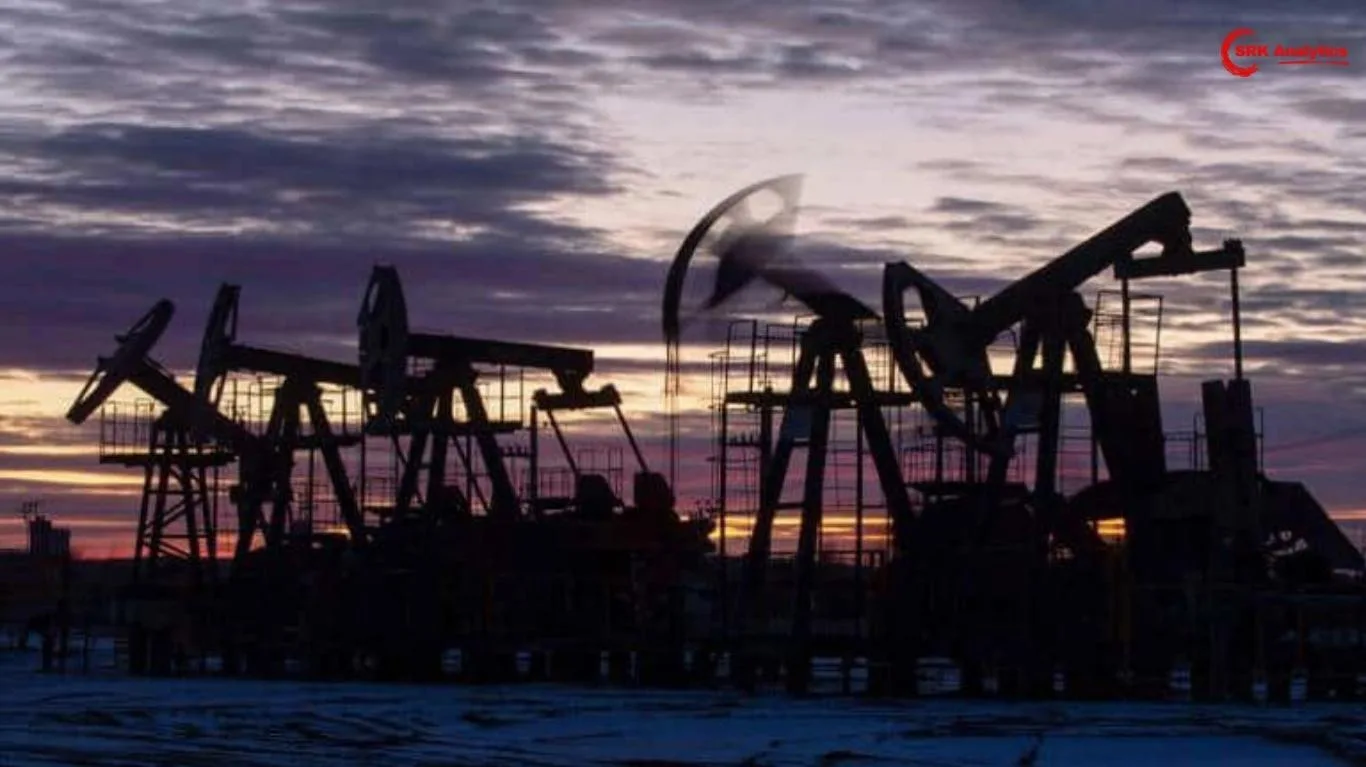
- Oil Imports: Crude oil remains the largest component of India’s purchases.
- Coal and Gas: Supplementary imports of coal and LNG add to the total.
- Strategic Rationale: Russia offers discounted energy supplies compared to global benchmarks.
Why India Remains a Key Buyer
- Energy Security: India’s growing economy requires stable and affordable energy.
- Price Advantage: Russian crude is often sold at a discount due to sanctions.
- Diversification: Reduces dependence on Middle Eastern suppliers.
- Geopolitical Strategy: India balances relations with Russia, the US, and EU.
Comparative Analysis of Global Buyers of Russian Fossil Fuels
| Country | January 2026 Imports | Key Drivers | Strategic Position |
|---|---|---|---|
| China | Largest buyer | Energy demand, strategic partnership | Strong Russia-China ties |
| India | $2.59 billion | Price advantage, diversification | Balancing global relations |
| Turkey | Moderate imports | Regional energy needs | Strategic transit hub |
| Others (Asia/Europe) | Reduced imports | Sanctions, alternative suppliers | Limited engagement |
Implications for India
- Economic: Affordable energy supports industrial growth and consumer demand.
- Political: Raises questions about India’s stance amid Western sanctions.
- Strategic: Reinforces India’s role as a pragmatic energy consumer.
- Environmental: Continued reliance on fossil fuels challenges climate goals.
Challenges Ahead
- Global Pressure: Western nations may push India to reduce Russian imports.
- Volatility: Energy prices remain subject to geopolitical shocks.
- Transition Goals: India must balance fossil fuel imports with renewable energy expansion.
- Logistics: Ensuring smooth transport and payment mechanisms amid sanctions.
Broader Implications for Global Energy Markets
- For Russia: India remains a crucial market amid restricted access to Europe.
- For Asia: Highlights Asia’s growing role in global energy consumption.
- For Global Trade: Reflects shifting energy flows due to sanctions and geopolitics.
- For Climate Policy: Raises concerns about fossil fuel dependence in emerging economies.
Long-Term Outlook
India’s continued role as the second-largest buyer of Russian fossil fuels reflects both economic pragmatism and geopolitical balancing. While the country benefits from discounted energy, it faces increasing pressure to accelerate its renewable energy transition. The coming years will test India’s ability to balance affordability, sustainability, and diplomacy in its energy strategy.
Disclaimer
This article is a journalistic analysis based on publicly available information. It does not represent financial, energy, or geopolitical advice. Readers are encouraged to consult official government releases and expert commentary before drawing conclusions about India’s fossil fuel imports from Russia.