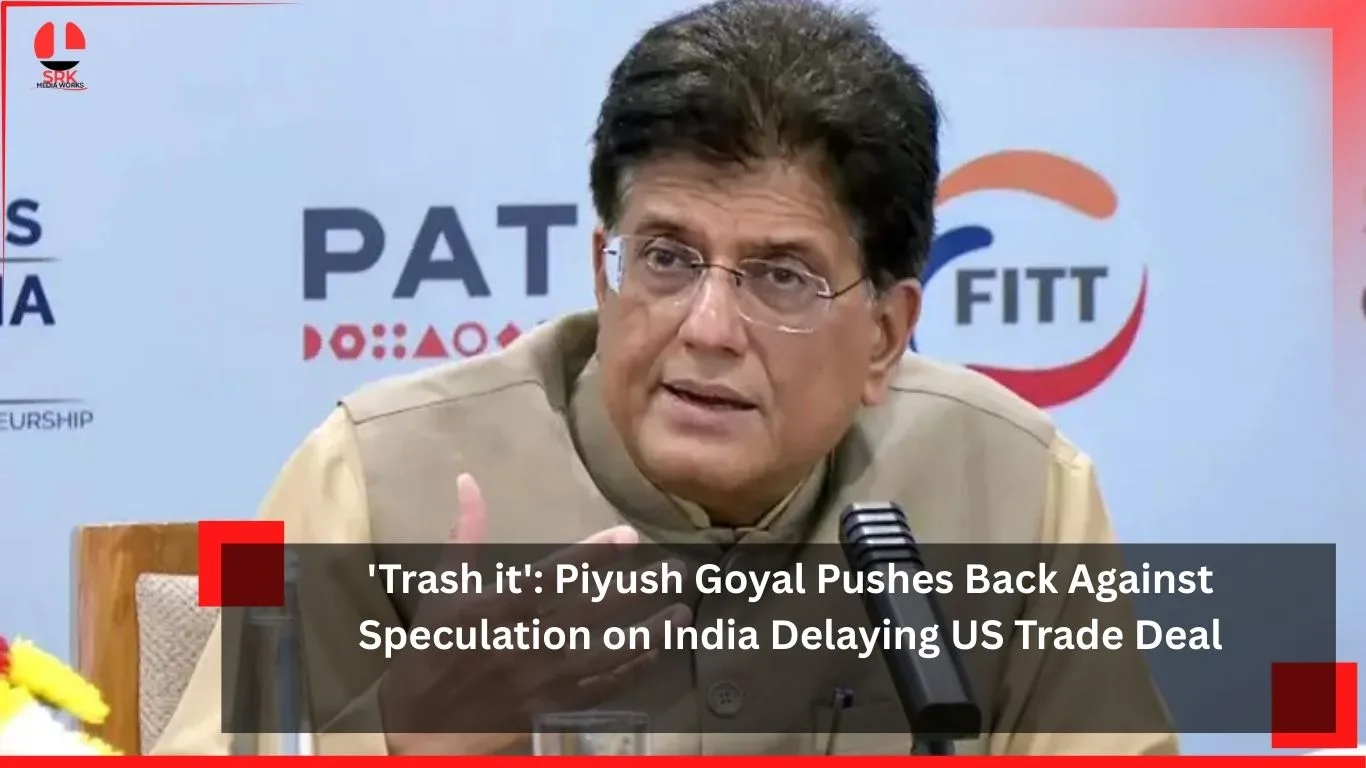





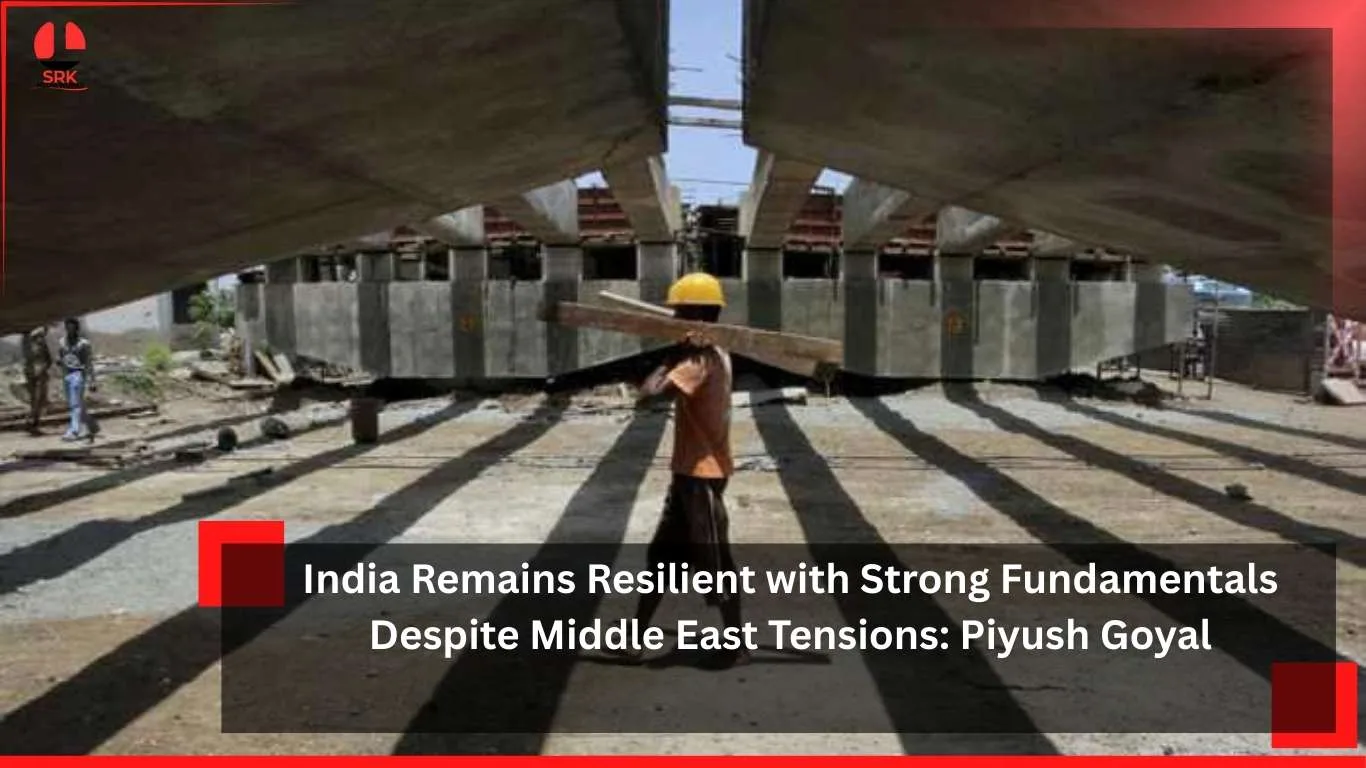
India’s economy continues to demonstrate resilience and strength even amid global uncertainties, including rising tensions in the Middle East. Union Minister of Commerce and Industry, Piyush Goyal, emphasized that India’s strong fundamentals, robust domestic demand, and diversified trade partnerships are enabling the nation to withstand external shocks and maintain its growth trajectory.
India’s Economic Fundamentals
India’s economy has shown remarkable stability in recent years, driven by strong domestic consumption, infrastructure investments, and a thriving services sector. According to Piyush Goyal, the country’s fundamentals remain intact despite geopolitical challenges.
Key Drivers of Resilience
- Domestic Demand: India’s large consumer base continues to fuel growth across sectors.
- Diversified Trade: Expanding trade partnerships reduce dependence on any single region.
- Manufacturing Push: Initiatives like Make in India and Production Linked Incentive (PLI) schemes are strengthening industrial output.
- Services Sector: IT, financial services, and healthcare exports are contributing significantly to GDP.
- Energy Security: Investments in renewable energy and diversification of oil imports are reducing vulnerability.
Impact of Middle East Tensions
The Middle East remains a critical region for India due to oil imports, trade relations, and the presence of millions of Indian expatriates. Rising tensions in the region could affect energy prices and supply chains. However, India’s proactive strategies, including diversifying energy sources and strengthening diplomatic ties, are helping mitigate risks.
Comparative Sectoral Outlook
| Sector | Current Status | Resilience Factor | Growth Outlook |
|---|---|---|---|
| Energy | Oil imports vulnerable | Diversification, renewables | Moderate |
| Manufacturing | Expanding rapidly | PLI schemes, domestic demand | High |
| Services | Strong exports | Global IT demand | Very High |
| Agriculture | Stable output | Government support, technology | Moderate |
| Infrastructure | Large investments | Public-private partnerships | High |
Trade Diversification Strategy
India has been actively pursuing trade agreements with countries across Asia, Europe, and North America. These agreements are designed to reduce reliance on any single region and open new opportunities for exports.
Strategic Trade Moves
- Strengthening ties with ASEAN and East Asia for manufacturing supply chains.
- Expanding trade with Europe in IT, pharmaceuticals, and textiles.
- Deepening partnerships with Africa and Latin America in agriculture and energy.
- Leveraging free trade agreements to boost exports in high-value sectors.
Pivot Analysis of India’s Economic Strategy
| Focus Area | Domestic Impact | Global Impact | Strategic Priority |
|---|---|---|---|
| Energy Diversification | Reduced oil dependency | Stable imports | High |
| Manufacturing | Job creation, industrial growth | Export competitiveness | Very High |
| Services Exports | GDP contribution | Global IT leadership | Very High |
| Infrastructure | Urban development | Attracting FDI | High |
| Agriculture | Food security | Export potential | Moderate |
Government Initiatives Supporting Resilience
Piyush Goyal highlighted several government initiatives that are strengthening India’s fundamentals:
- PLI Schemes: Encouraging domestic manufacturing in electronics, pharmaceuticals, and textiles.
- Digital India: Expanding digital infrastructure to support services and innovation.
- Renewable Energy Push: Large-scale investments in solar, wind, and green hydrogen.
- Ease of Doing Business: Simplified regulations to attract foreign investment.
- Skill Development: Training programs to prepare the workforce for global opportunities.
Challenges Ahead
While India remains resilient, certain challenges persist:
- Rising global oil prices due to Middle East tensions.
- Supply chain disruptions in critical sectors.
- Inflationary pressures from imported commodities.
- Need for continuous skill upgradation to remain globally competitive.
India’s Global Position
India’s resilience is not just about domestic fundamentals but also about its growing role in the global economy. With strong diplomatic engagement, expanding trade partnerships, and a focus on sustainability, India is positioning itself as a reliable partner in uncertain times.
Conclusion
India’s ability to remain resilient despite Middle East tensions reflects the strength of its economic fundamentals, diversified trade strategy, and proactive government policies. Piyush Goyal’s remarks highlight confidence in India’s growth story, emphasizing that the nation is well-prepared to navigate global challenges while continuing its journey toward becoming a leading global economy.
Disclaimer
This article is a synthesized news-style content created for informational and SEO purposes. It is not an official press release or financial advice. Readers are encouraged to verify details from official government and industry communications before making business or investment decisions.