





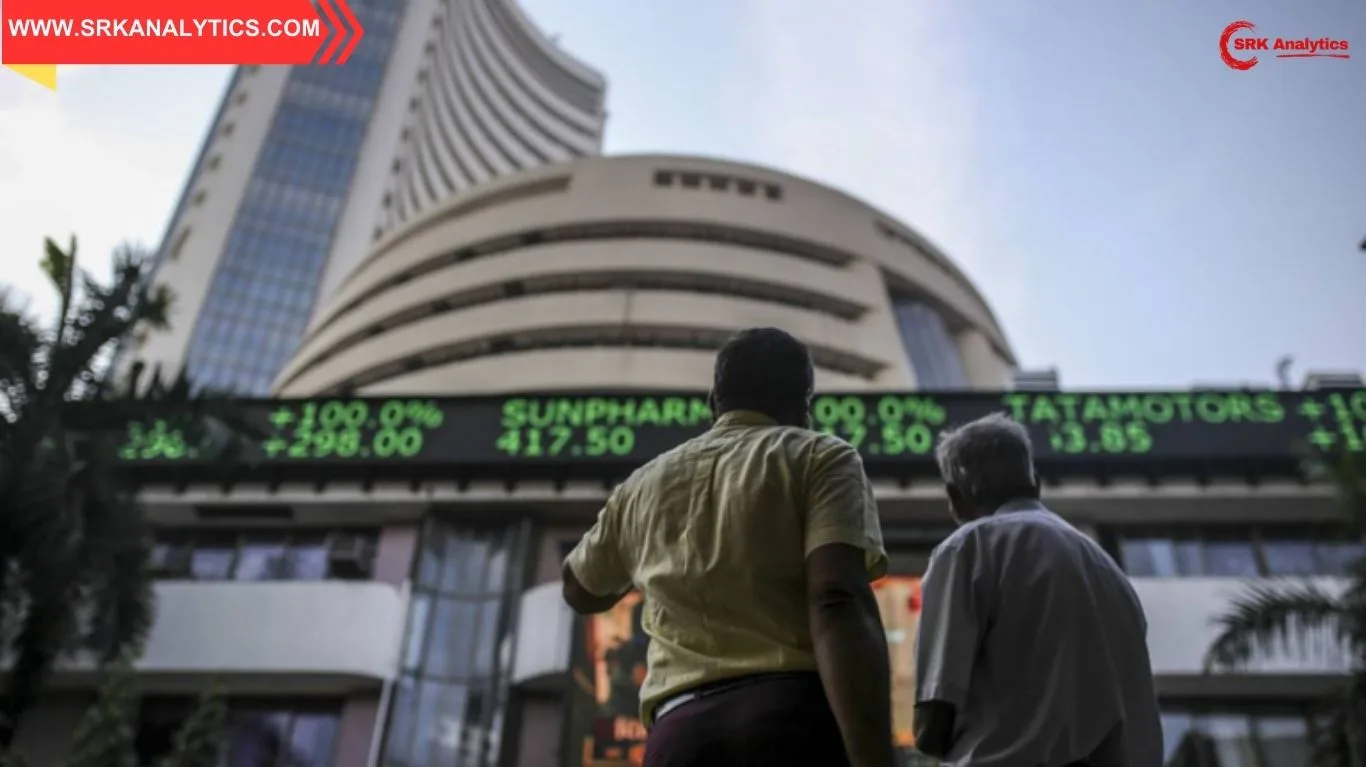
India is emerging as a potential magnet for global investors, particularly as enthusiasm around artificial intelligence (AI) investments begins to cool worldwide. Analysts suggest that India’s robust domestic growth, expanding consumer base, and strong macroeconomic fundamentals are positioning the country as a preferred destination for capital flows.
Background of Global Investment Trends
Over the past few years, AI-driven companies have dominated global investment portfolios. However, recent market corrections and concerns about overvaluation have led investors to reassess their strategies.
- AI Bubble Concerns: Some analysts warn of inflated valuations in AI startups.
- Shift in Focus: Investors are now looking for stable, long-term growth opportunities.
- India’s Advantage: Strong GDP growth, demographic dividend, and policy reforms.
India’s Economic Strengths
India’s domestic growth story is attracting attention for several reasons:
- GDP Growth: Consistently among the fastest-growing major economies.
- Demographics: Young workforce and rising middle class.
- Policy Reforms: Initiatives like “Make in India” and “Digital India” boosting investor confidence.
- Infrastructure Push: Investments in roads, railways, and digital connectivity.
Comparative Analysis of Investment Destinations
| Country/Region | Current Investor Sentiment | Strengths | Challenges |
|---|---|---|---|
| India | Rising interest | Strong domestic growth, reforms | Infrastructure gaps |
| United States | Cooling AI enthusiasm | Innovation hub, deep capital markets | Overvaluation concerns |
| China | Mixed sentiment | Large market, tech growth | Regulatory uncertainty |
| Europe | Stable but slow growth | Strong institutions | Aging demographics |
Sectors Likely to Attract Investment in India
- Technology: Beyond AI, focus on fintech, SaaS, and digital services.
- Manufacturing: Boosted by “Make in India” and global supply chain diversification.
- Renewable Energy: India’s push for solar and wind energy.
- Consumer Goods: Rising middle-class demand for lifestyle and retail products.
- Healthcare: Expanding medical infrastructure and pharmaceutical exports.
Investor Confidence Indicators
| Indicator | Current Status | Implication |
|---|---|---|
| FDI Inflows | Rising steadily | Strong global confidence |
| Stock Market | Record highs | Attracting foreign portfolio investors |
| Currency Stability | Relatively stable | Encourages long-term investment |
| Policy Environment | Reform-oriented | Boosts investor trust |
Challenges India Must Address
- Infrastructure Bottlenecks: Need for faster project execution.
- Regulatory Complexity: Simplification of compliance processes required.
- Skill Development: Preparing workforce for advanced industries.
- Global Risks: Geopolitical tensions and commodity price fluctuations.
Broader Implications
The cooling of AI bets globally may redirect capital towards markets like India, where growth is driven by fundamentals rather than hype.
- For Investors: India offers diversification and stability.
- For India: Opportunity to attract long-term capital for development.
- For Global Markets: Reinforces the importance of emerging economies in investment strategies.
Long-Term Outlook
India’s ability to attract global investors will depend on sustaining domestic growth, implementing reforms, and ensuring transparency in governance. With AI valuations cooling globally, India’s balanced growth story could make it one of the most attractive destinations for international capital by the end of this decade.
Disclaimer
This article is a journalistic analysis based on publicly available information. It does not represent financial, investment, or legal advice. Readers are encouraged to consult official government releases and expert commentary before making investment decisions related to India or global markets.