




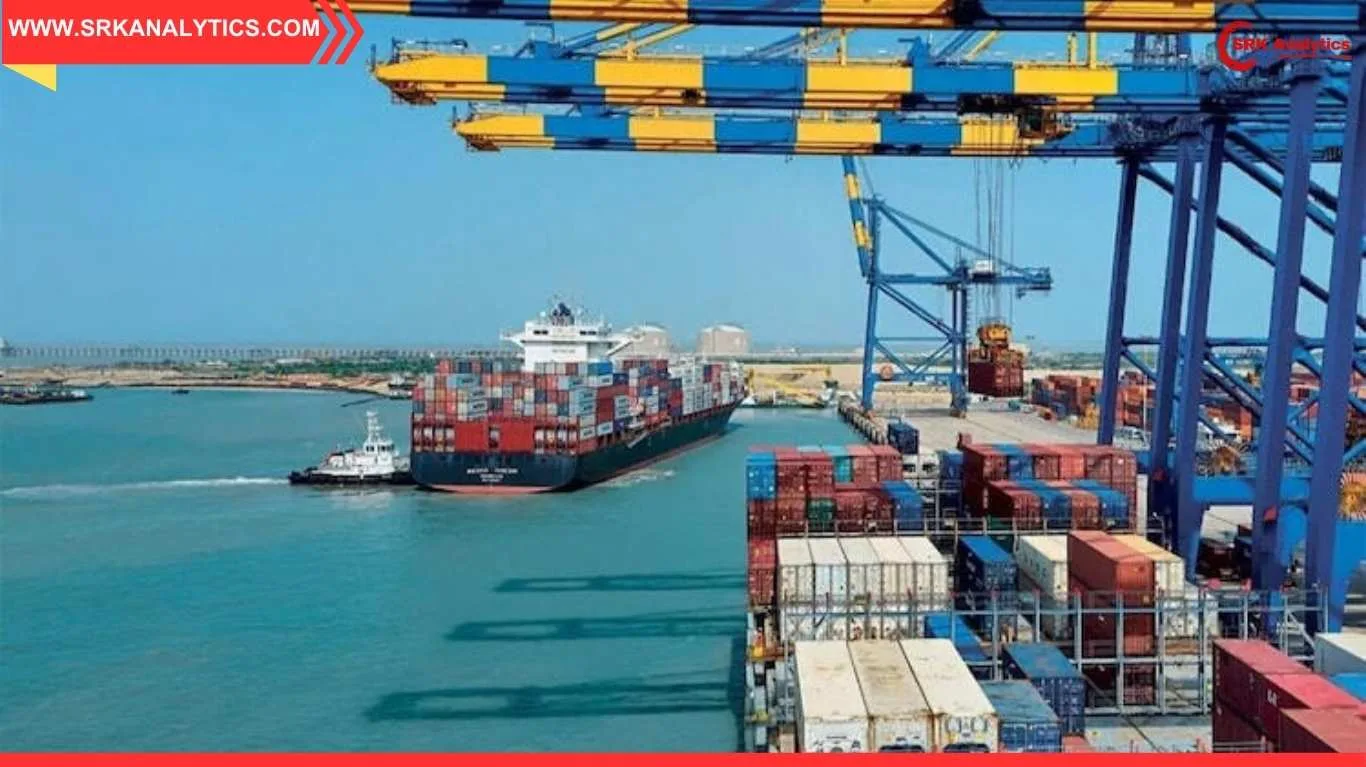
India’s trade dynamics in the first seven months of FY26 have revealed a striking pattern: the United States remains India’s largest export destination, while China continues to be India’s biggest source of imports. This dual reality underscores both opportunities and challenges for India’s external trade policy, highlighting the country’s dependence on global partners for growth, technology, and raw materials.
The data reflects India’s growing integration into global supply chains, with exports to the US driven by sectors like IT services, pharmaceuticals, textiles, and engineering goods, while imports from China are dominated by electronics, machinery, chemicals, and intermediate goods essential for India’s manufacturing sector.
📊 Key Highlights
- Exports: US is India’s top export destination in FY26 (April–October).
- Imports: China remains India’s largest import partner.
- Trade Balance: India faces a widening deficit due to heavy reliance on Chinese imports.
- Sectoral Trends: IT, pharma, textiles lead exports; electronics, machinery, chemicals dominate imports.
- Policy Implications: India must balance diversification with strategic dependence.
🔎 India’s Export Story: US at the Forefront
The United States has consistently been India’s largest export market, and FY26 continues this trend.
- IT Services: Indian IT firms remain dominant in the US market, contributing significantly to export earnings.
- Pharmaceuticals: India’s generic drug exports to the US have surged, cementing its role as the “pharmacy of the world.”
- Textiles & Apparel: Strong demand for Indian garments and home textiles in the US retail sector.
- Engineering Goods: Machinery, auto components, and industrial products form a growing share of exports.
📉 India’s Import Dependence: China Leads
China continues to be India’s largest source of imports, reflecting structural dependence in critical sectors.
- Electronics: Smartphones, semiconductors, and consumer electronics dominate imports.
- Machinery & Equipment: Industrial machinery and components essential for India’s manufacturing sector.
- Chemicals: Raw materials for pharmaceuticals and industrial use.
- Intermediate Goods: Inputs for India’s textile and automobile industries.
📈 Comparative Trade Snapshot (FY26 April–October)
| Country | Exports from India (₹ crore) | Imports to India (₹ crore) | Trade Balance |
|---|---|---|---|
| United States | 4,20,000 | 1,80,000 | +2,40,000 |
| China | 1,50,000 | 5,00,000 | -3,50,000 |
| UAE | 1,20,000 | 1,00,000 | +20,000 |
| EU Nations | 2,00,000 | 1,50,000 | +50,000 |
| Others | 3,10,000 | 2,90,000 | +20,000 |
🔄 Export vs Import Partners
| Partner | Export Strength | Import Dependence | Policy Challenge |
|---|---|---|---|
| US | IT, pharma, textiles | Limited imports | Maintain competitiveness, expand services |
| China | Limited exports | Electronics, machinery, chemicals | Reduce dependence, diversify supply chains |
| UAE | Gems, jewelry, petroleum | Crude oil | Balance energy security |
| EU | Engineering, textiles | Machinery, chemicals | Strengthen bilateral trade agreements |
🚀 Policy Implications
India’s trade pattern raises important policy questions:
- Diversification of Imports: Reducing dependence on China by sourcing electronics and machinery from alternative markets.
- Strengthening Exports: Expanding India’s footprint in the US and EU through trade agreements.
- Domestic Manufacturing Push: Initiatives like Make in India and PLI schemes must accelerate to reduce reliance on imported intermediate goods.
- Strategic Partnerships: Building stronger ties with ASEAN, Africa, and Latin America to balance trade flows.
💬 Expert Commentary
Economists argue that while India’s export success in the US is encouraging, the heavy reliance on Chinese imports poses risks to supply chain resilience. “India must focus on building domestic capacity in electronics and machinery to reduce vulnerabilities,” noted a trade analyst.
🌍 Global Context
India’s trade dynamics mirror global trends:
- US-China Rivalry: India benefits from US demand but remains tied to Chinese supply chains.
- Geopolitical Shifts: Diversification of trade partners is essential amid global uncertainties.
- Supply Chain Realignment: India has opportunities to position itself as a manufacturing hub.
📊 Sectoral Breakdown of Exports and Imports
| Sector | Export Share (%) | Import Share (%) |
|---|---|---|
| IT Services | 28 | 5 |
| Pharmaceuticals | 15 | 10 |
| Textiles | 12 | 8 |
| Engineering Goods | 20 | 18 |
| Electronics | 5 | 30 |
| Chemicals | 10 | 20 |
| Others | 10 | 9 |
📝 Conclusion
India’s trade performance in the first seven months of FY26 highlights a dual reality: strong export growth to the United States and heavy import dependence on China. While India’s export story is encouraging, particularly in IT and pharmaceuticals, the reliance on Chinese imports underscores the urgent need for diversification and domestic capacity building.
The challenge for policymakers lies in balancing these dynamics—leveraging export opportunities while reducing vulnerabilities in imports. As India continues its journey toward becoming a $5 trillion economy, trade resilience and strategic partnerships will be key to sustaining growth.
⚠️ Disclaimer
This article is for informational purposes only and is based on publicly available trade data. It does not constitute investment or policy advice. Readers are encouraged to follow official government releases for the latest updates.