









A New Chapter for Indian Horticulture
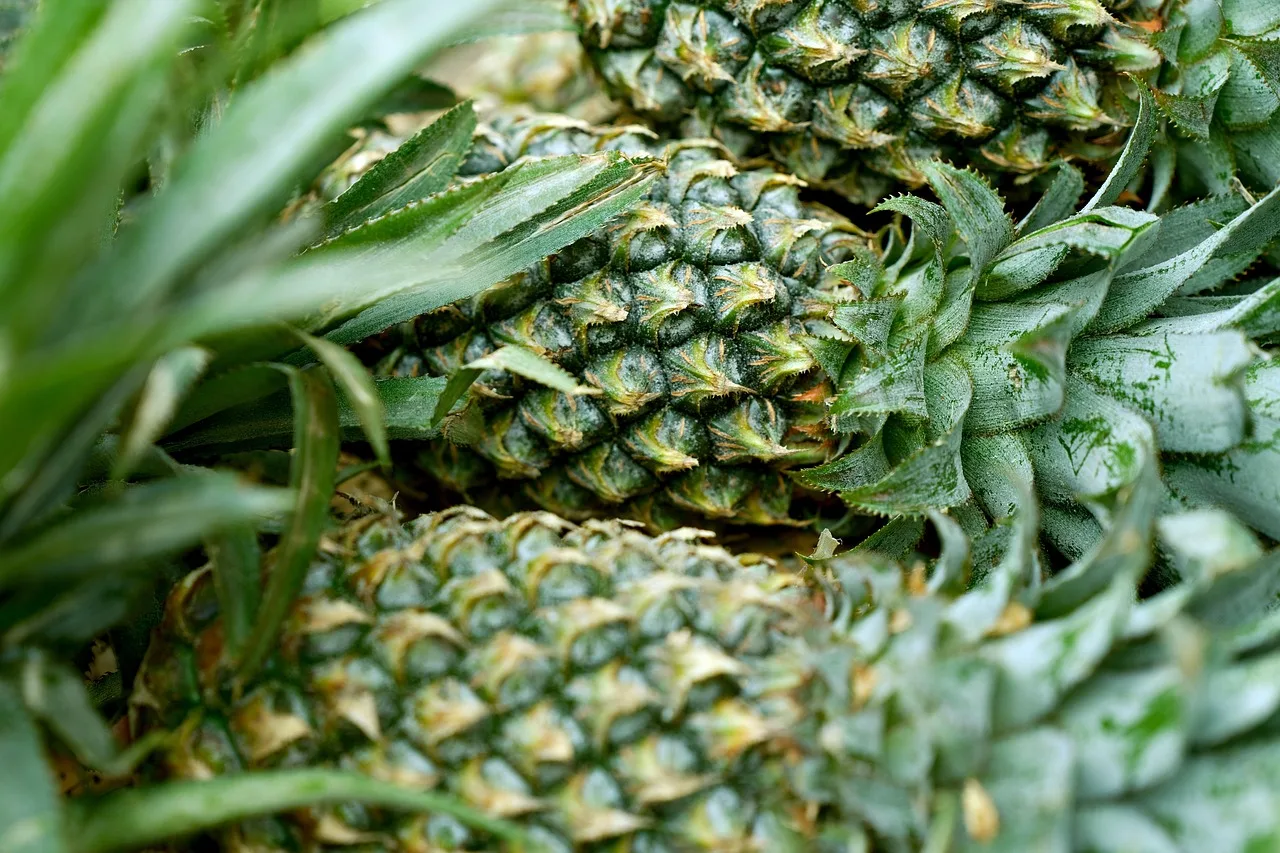
In a significant expansion of its agricultural export portfolio, India successfully dispatched its inaugural shipment of high-demand MD 2 pineapples to the United Arab Emirates this week. The Agricultural and Processed Food Products Export Development Authority (APEDA) facilitated the shipment, marking a pivotal moment in the nation’s efforts to diversify its fruit exports beyond traditional staples. This move positions India to compete more aggressively in the high-value global fresh produce market.
Understanding the Global Demand for MD 2
The MD 2 variety, often referred to as the ‘Golden Pineapple,’ is globally recognized for its uniform shape, golden-yellow flesh, and extended shelf life. Unlike many traditional varieties, the MD 2 possesses a lower acidity level and a higher sugar content, making it the preferred choice for international retail chains and premium consumers.
For years, the global market for this variety has been dominated by producers in Central and South America, particularly Costa Rica. By cultivating this specific variety domestically, Indian farmers are signaling a shift toward higher-value crops that meet rigorous international quality standards.
Strategic Shifts in Agricultural Exports
The export initiative is the result of a coordinated effort between the Indian government and regional agricultural bodies to enhance supply chain infrastructure. APEDA has been instrumental in providing technical guidance to farmers regarding the precise harvesting and cold-chain management required to maintain the fruit’s integrity during transit.
Data from the Ministry of Commerce and Industry indicates that India has been steadily increasing its focus on non-traditional fruits to bolster export revenues. By tapping into the UAE market, which serves as a major re-export hub for the Middle East and North Africa, Indian exporters are effectively gaining a gateway to broader international distribution networks.
Expert Perspectives on Market Viability
Agricultural economists suggest that the success of this export venture hinges on maintaining consistent quality control. ‘The transition to MD 2 cultivation represents a shift toward market-led agriculture rather than production-led agriculture,’ noted a senior analyst at the Indian Council of Agricultural Research. ‘If India can maintain the stringent post-harvest protocols required for the MD 2, it could secure a significant market share in the Gulf Cooperation Council countries.’
Industry reports emphasize that logistical efficiency remains the primary challenge. The fruit must undergo meticulous cooling processes to ensure it reaches its destination in optimal condition, necessitating further investment in pre-cooling facilities and refrigerated shipping containers.
Implications for the Future
For Indian farmers, this breakthrough offers a pathway to higher profit margins compared to traditional local varieties. The successful entry into the UAE market serves as a proof-of-concept that may encourage broader adoption of advanced horticultural practices across India’s pineapple-growing belts.
Looking ahead, stakeholders are closely monitoring the reception of this first consignment to determine the scalability of the program. Future developments to watch include the potential expansion of air-freight subsidies and the establishment of dedicated packhouses that meet international certification standards. As global demand for premium, consistent produce continues to rise, India’s ability to scale this operation will likely determine its long-term viability as a major player in the global pineapple trade.