
India is fast-tracking negotiations and signing of Free Trade Agreements (FTAs) with multiple countries to counter the impact of steep US tariffs and to expand its export footprint globally. The move comes as part of a broader strategy to strengthen India’s position in international trade, diversify markets, and reduce dependence on any single economy. By accelerating FTAs, India aims to secure preferential access to key markets, boost competitiveness of its industries, and ensure resilience against global protectionist trends.
Background of India’s FTA Push
- The imposition of steep tariffs by the United States has created challenges for Indian exporters, particularly in sectors like steel, aluminum, textiles, and agriculture.
- India has responded by intensifying efforts to sign FTAs with countries in Europe, Asia, Africa, and Latin America.
- These agreements are designed to lower trade barriers, reduce tariffs, and create a more favorable environment for Indian goods and services.
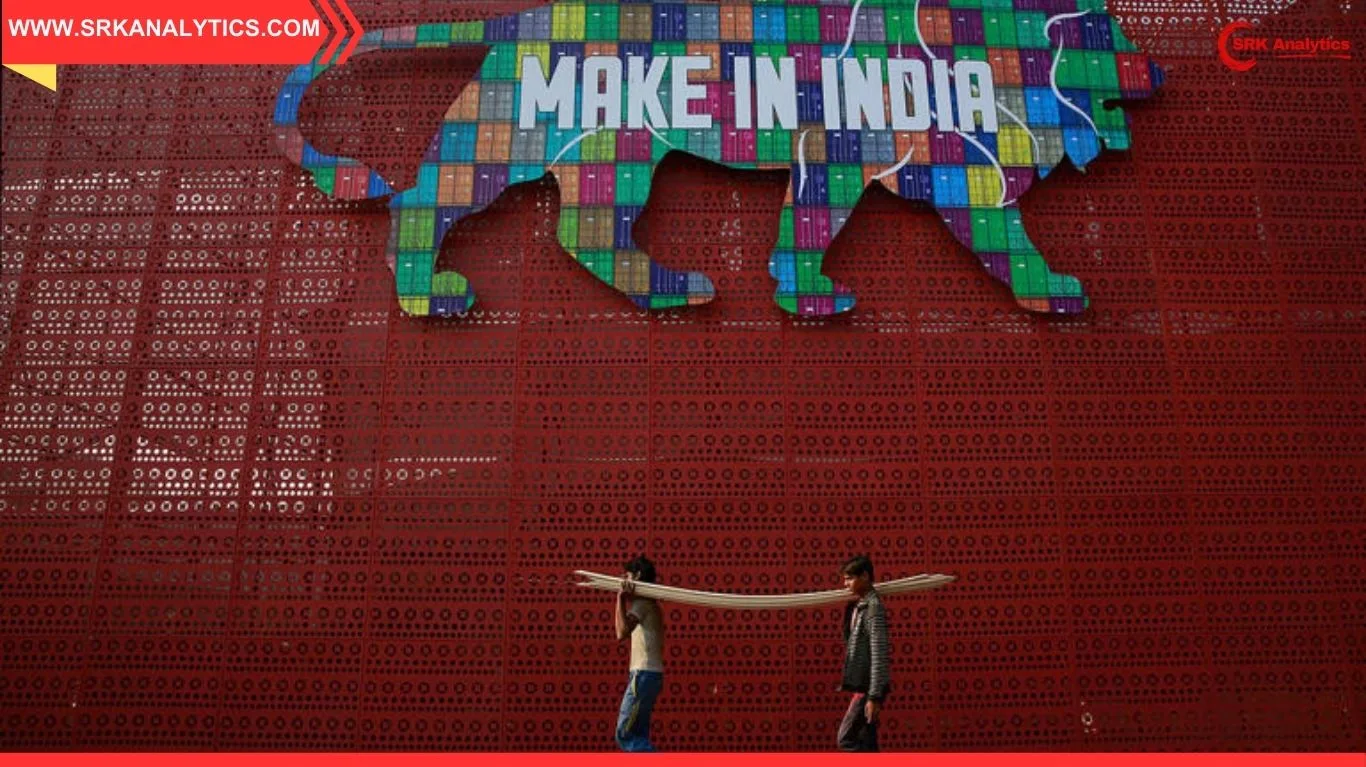
- The strategy aligns with India’s long-term vision of becoming a global manufacturing hub under the “Make in India” initiative.
Key Highlights of India’s FTA Strategy
| Indicator | Details |
|---|---|
| Objective | Counter US tariffs, expand exports |
| Target Regions | Europe, Asia-Pacific, Africa, Latin America |
| Sectors Benefiting | Steel, textiles, agriculture, pharmaceuticals, IT services |
| Strategic Goal | Diversify markets, strengthen global competitiveness |
| Impact | Boost to GDP, job creation, enhanced trade resilience |
India’s FTA Acceleration vs US Tariff Challenges
| Factor | India’s Response | US Tariff Impact | Implication |
|---|---|---|---|
| Steel & Aluminum | Negotiating FTAs with EU, ASEAN | High tariffs imposed | Access to alternative markets |
| Textiles | Expanding trade with Africa, Latin America | Tariff barriers in US | Diversification of exports |
| Pharmaceuticals | Strengthening ties with Europe | Limited tariff impact | Increased global demand |
| IT Services | Leveraging FTAs for digital trade | Not tariffed | Enhanced global outsourcing |
| Agriculture | Exploring Asian and African markets | Tariff restrictions | Boost to niche product exports |
Why India’s FTA Acceleration Matters
- Economic Growth: FTAs will contribute significantly to India’s GDP by boosting exports.
- Job Creation: Expanded trade opportunities will generate employment across sectors.
- Global Competitiveness: Preferential access to markets will enhance India’s competitiveness.
- Resilience: Diversification reduces vulnerability to unilateral tariff actions by any single country.
India’s Recent FTA Developments
| Country/Region | Status of Negotiations | Key Focus Areas |
|---|---|---|
| European Union | Advanced negotiations | Steel, textiles, pharmaceuticals |
| ASEAN | Strengthening existing agreements | Electronics, agriculture |
| Africa | Exploring new FTAs | Textiles, agriculture, IT services |
| Latin America | Early-stage talks | Automobiles, machinery, chemicals |
| UK | Ongoing negotiations | Services, manufacturing, digital trade |
India’s proactive approach reflects its determination to secure long-term trade partnerships.
Expert Opinions
- Economists: View FTAs as critical for sustaining export growth amid global protectionism.
- Trade Analysts: Emphasize the importance of diversifying markets to reduce dependence on the US.
- Policy Makers: Highlight the alignment of FTAs with India’s broader economic vision.
- Industry Leaders: Express optimism about new opportunities in global markets.
Challenges Ahead
- Complex Negotiations: FTAs require balancing domestic interests with global commitments.
- Infrastructure Gaps: Logistics and supply chains must be strengthened to support expanded trade.
- Global Competition: India faces competition from other emerging economies in securing FTAs.
- Regulatory Alignment: Harmonizing standards with partner countries can be challenging.
Opportunities for India
- Market Diversification: Reducing dependence on the US by expanding into Europe, Asia, and Africa.
- Export Growth: Boosting sectors like textiles, pharmaceuticals, and IT services.
- Global Leadership: Positioning India as a champion of free trade in the developing world.
- Strategic Alliances: Strengthening ties with countries aligned with India’s economic vision.
Broader Context of Global Trade
- Protectionism has been rising globally, with tariffs and trade barriers affecting emerging economies.
- India’s acceleration of FTAs reflects a proactive strategy to counter these challenges.
- By securing preferential access to multiple markets, India ensures resilience against global uncertainties.
- The move also positions India as a leader in advocating for open and fair trade.
Public Sentiment
- Exporters welcome the acceleration of FTAs as a lifeline against US tariffs.
- Citizens view the strategy as a step toward strengthening India’s global standing.
- Social media discussions highlight optimism about India’s role in global trade.
- Critics caution about balancing domestic industry interests with global commitments.
Conclusion
India’s decision to accelerate free trade agreements to counter US tariffs and expand exports marks a pivotal moment in its trade strategy. By diversifying markets, strengthening global competitiveness, and securing preferential access, India is positioning itself as a resilient and dynamic player in international trade. The acceleration of FTAs not only counters the immediate challenges posed by US tariffs but also lays the foundation for long-term economic growth, job creation, and global leadership.
Disclaimer
This article is intended for informational purposes only and does not constitute financial or trade advice. Trade negotiations, policies, and outcomes are subject to change based on evolving circumstances. Readers are encouraged to follow official updates for accurate information. The author and publisher are not responsible for any decisions made based on this article.