




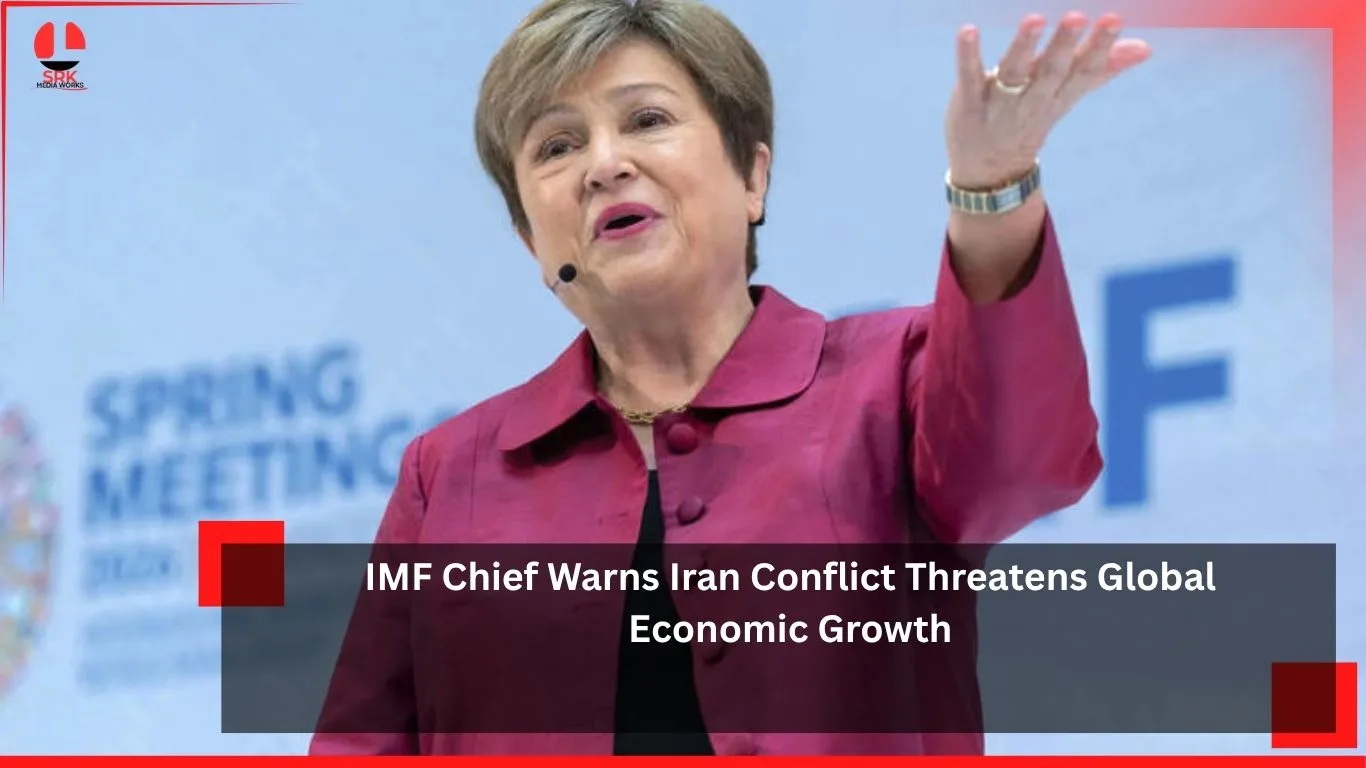
The International Monetary Fund (IMF) has issued a stark warning that escalating tensions involving Iran could pose a serious threat to global economic growth. The IMF chief highlighted that disruptions in energy supplies, rising geopolitical risks, and potential instability in financial markets could derail recovery efforts in both advanced and emerging economies.
Key Concerns Raised by IMF
- Energy Security: The Strait of Hormuz, a critical oil transit route, could face disruptions.
- Global Inflation: Rising oil and gas prices may fuel inflationary pressures worldwide.
- Financial Volatility: Heightened geopolitical risks could trigger capital flight from emerging markets.
- Trade Disruptions: Global supply chains may face renewed bottlenecks.
Impact on Global Economy
| Factor | Short-Term Effect | Long-Term Risk |
|---|---|---|
| Oil Prices | Immediate spike | Sustained volatility |
| Inflation | Higher consumer costs | Slower growth |
| Investment | Reduced confidence | Capital outflows |
| Trade | Disrupted flows | Weakening globalization |
Regional Implications
- Middle East: Directly impacted by instability, with oil-exporting nations facing uncertainty.
- Asia: India, China, and Japan could see higher import bills and inflationary pressures.
- Europe: Energy security concerns intensify, especially for nations dependent on imports.
- United States: Market volatility and political risks could affect growth momentum.
Comparative Pivot Analysis
| Dimension | Iran Conflict Impact | IMF Warning | Global Outlook |
|---|---|---|---|
| Energy | Oil supply disruption | Inflationary risk | Energy diversification needed |
| Financial | Market volatility | Capital flight risk | Emerging markets vulnerable |
| Political | Rising tensions | Global instability | Diplomatic intervention critical |
| Social | Higher living costs | Consumer strain | Risk of unrest |
IMF’s Recommendations
- Energy Diversification: Countries should accelerate renewable energy adoption.
- Fiscal Preparedness: Governments must prepare for higher subsidies and inflation management.
- Diplomatic Efforts: Global powers urged to de-escalate tensions.
- Financial Safeguards: Strengthening capital controls and reserves to withstand shocks.
Market Reaction
- Oil Prices: Brent crude surged amid fears of supply disruption.
- Stock Markets: Volatility increased across Asia and Europe.
- Currency Movements: Safe-haven currencies like the US dollar and Swiss franc gained strength.
Conclusion
The IMF chief’s warning underscores the fragility of global economic growth in the face of geopolitical tensions. The Iran conflict, if it escalates, could trigger energy shocks, inflationary pressures, and financial instability. Policymakers worldwide face the urgent task of balancing diplomatic efforts with economic safeguards to protect growth and stability.
Disclaimer
This article is based on available economic and geopolitical analysis. It does not represent official government positions or verified intelligence. Readers are advised to treat the content as an overview of claims and perspectives, and to consult multiple sources before drawing conclusions about sensitive international developments.