


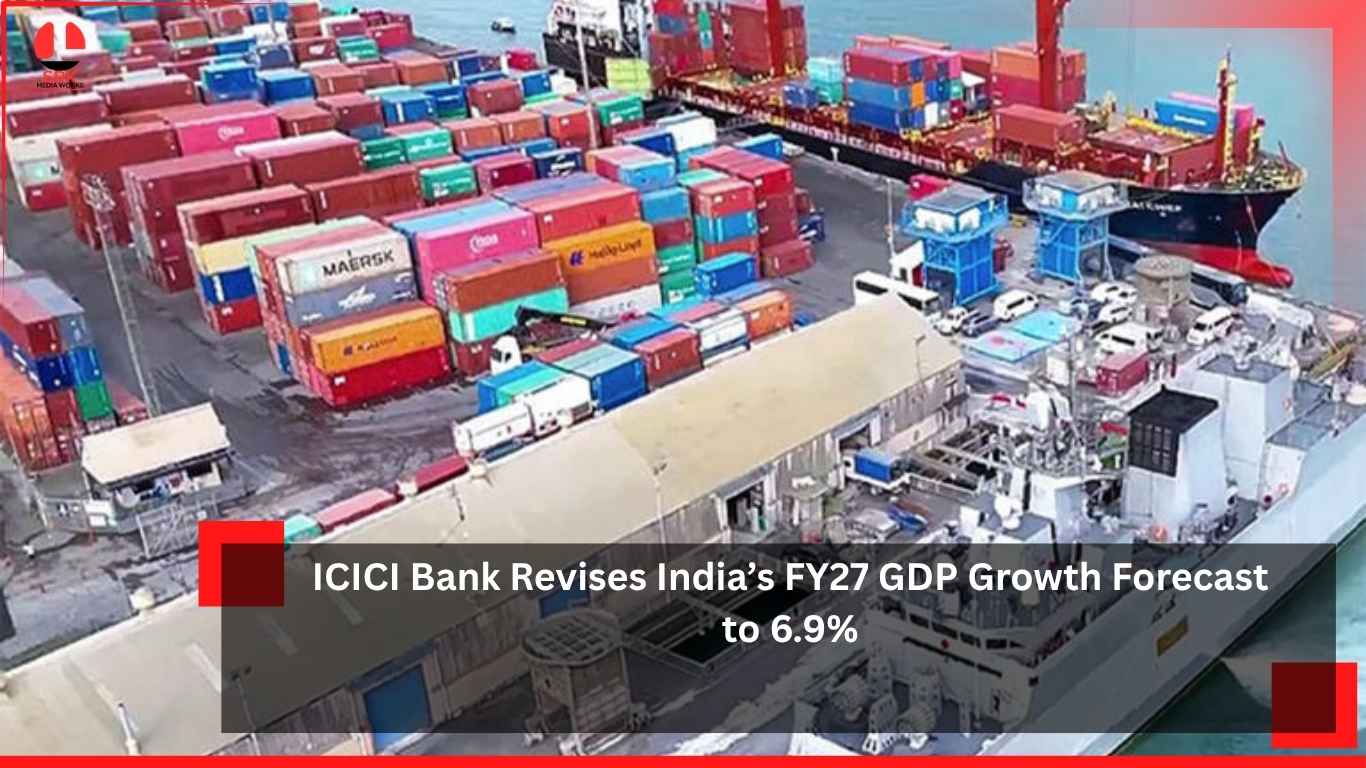
ICICI Bank has revised India’s GDP growth forecast for FY27 to 6.9%, reflecting optimism about the country’s economic trajectory while acknowledging global and domestic challenges. This updated projection highlights India’s resilience amid global uncertainties, inflationary pressures, and evolving trade dynamics.
Why the Revision Matters
GDP forecasts are critical for policymakers, investors, and businesses. ICICI Bank’s revision signals:
- Confidence in Domestic Demand: Strong consumption and investment are expected to drive growth.
- Resilient Infrastructure Push: Government spending on infrastructure continues to support expansion.
- Global Headwinds: Despite geopolitical tensions and energy shocks, India’s growth outlook remains robust.
- Monetary Policy Balance: RBI’s inflation targeting framework provides stability for long-term growth.
India’s Growth Outlook
India’s economy has consistently outperformed global peers, and the revised forecast reflects this trend.
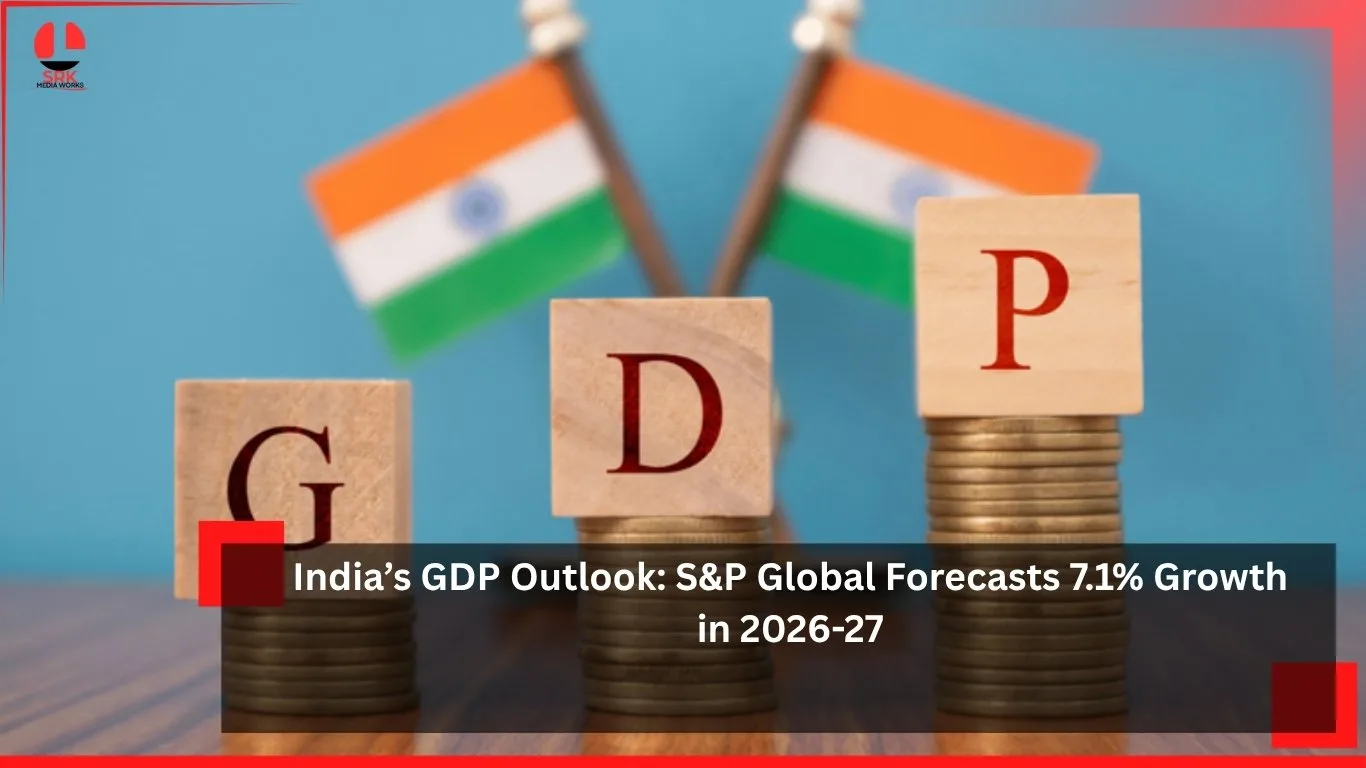
- FY26 Growth Estimate: Around 7.1%, driven by strong domestic demand.
- FY27 Forecast: Revised to 6.9%, slightly lower but still among the fastest globally.
- Medium-Term Outlook: Growth expected to remain between 6.5%–7% through 2030.
Key Drivers of Growth
- Infrastructure Investment: Roads, railways, and renewable energy projects boost productivity.
- Digital Economy: Expanding fintech, e-commerce, and IT services contribute significantly.
- Manufacturing Push: “Make in India” and PLI schemes attract global manufacturers.
- Demographics: A young workforce supports consumption and innovation.
Challenges Ahead
While the outlook is positive, risks remain:
- Global Energy Prices: Volatility in oil markets could impact inflation.
- Geopolitical Uncertainty: Conflicts and trade disruptions may slow exports.
- Climate Risks: Extreme weather events could affect agriculture and supply chains.
- Fiscal Pressures: Government spending must balance growth with debt sustainability.
Comparative GDP Forecasts
| Country | FY27/2027 Forecast | Notes |
|---|---|---|
| India | 6.9% | Revised by ICICI Bank |
| China | 4.8% | Slowing industrial growth |
| USA | 2.1% | Inflation and rate pressures |
| Eurozone | 1.9% | Energy dependency challenges |
| Emerging Markets | 3.5% | Vulnerable to capital flows |
India’s forecast remains significantly higher than most major economies, reinforcing its position as a global growth leader.
Sector-Wise Impact
| Sector | FY27 Outlook | Key Drivers |
|---|---|---|
| Banking | Strong | Credit growth, digital adoption |
| Manufacturing | Moderate | PLI schemes, global demand |
| Agriculture | Stable | Weather-dependent, tech adoption |
| Services | Strong | IT, fintech, e-commerce |
| Infrastructure | Strong | Government spending, private investment |
Investor Sentiment
ICICI Bank’s forecast revision is likely to boost investor confidence:
- Equity Markets: Positive outlook for banking, IT, and infrastructure stocks.
- Bond Markets: Stable inflation expectations support debt markets.
- Foreign Investment: India remains a preferred destination for FDI.
- Currency Stability: Rupee expected to remain resilient with strong capital inflows.
Strategic Recommendations
- Diversify Investments: Focus on sectors aligned with government priorities.
- Monitor Inflation: Rising energy costs could affect margins.
- Long-Term Perspective: India’s growth story remains intact despite short-term volatility.
- Global Integration: Businesses should leverage India’s role in supply chain diversification.
Conclusion
ICICI Bank’s revision of India’s FY27 GDP growth forecast to 6.9% reflects cautious optimism. While challenges such as global energy shocks and geopolitical risks persist, India’s strong domestic demand, infrastructure push, and digital economy provide a solid foundation for sustained growth. The forecast reinforces India’s position as one of the fastest-growing major economies in the world.
Disclaimer
This article is intended for informational purposes only and does not constitute financial advice. Readers should consult professional advisors before making investment or policy decisions. Economic conditions and forecasts are subject to change, and the analysis reflects perspectives as of March 2026.