





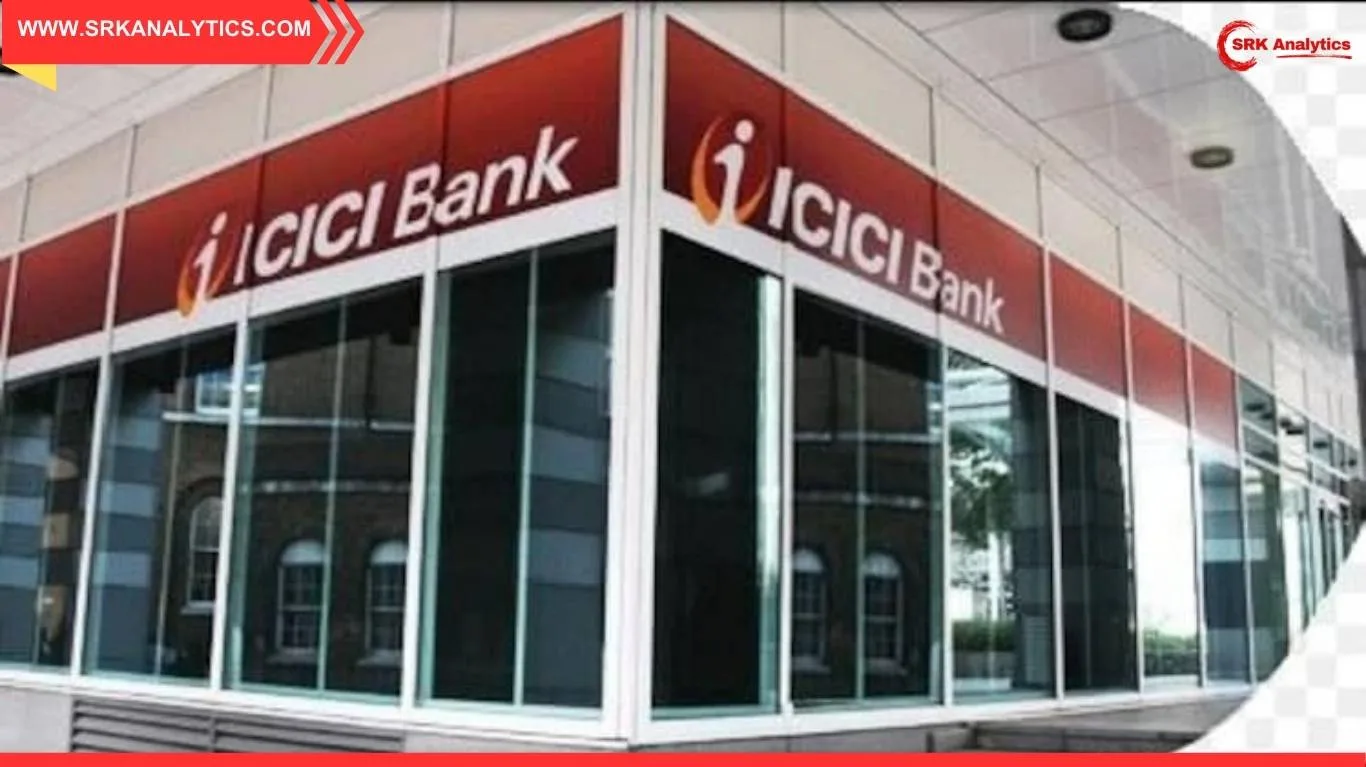
In a significant move aimed at strengthening its capital base, ICICI Bank has approved a capital raise of Rs 3,945 crore through the issuance of Tier-2 bonds. This decision reflects the bank’s proactive approach to maintaining robust financial health, meeting regulatory requirements, and supporting its long-term growth strategy. The announcement has generated considerable interest among investors, analysts, and the broader financial community, given the scale of the raise and its implications for India’s banking sector.
What Are Tier-2 Bonds?
Tier-2 bonds are an important component of a bank’s capital structure:
- Definition: These are subordinated debt instruments that form part of a bank’s regulatory capital under Basel III norms.
- Purpose: They help banks strengthen their capital adequacy ratio (CAR) and meet Reserve Bank of India (RBI) requirements.
- Risk Profile: Tier-2 bonds are riskier than senior debt, as they rank lower in repayment hierarchy.
- Investor Appeal: They typically offer higher yields to compensate for the risk.
ICICI Bank’s Capital Raise – Key Highlights
| Aspect | Details | Implication |
|---|---|---|
| Amount Raised | Rs 3,945 crore | Strengthens capital base |
| Instrument | Tier-2 bonds | Subordinated debt under Basel III |
| Purpose | Enhance capital adequacy ratio | Meets RBI norms |
| Investor Base | Institutional investors | Attracts long-term capital |
| Market Impact | Positive sentiment | Boosts confidence in ICICI Bank |
Why ICICI Bank Is Raising Capital
The decision to raise capital via Tier-2 bonds is driven by multiple factors:
- Regulatory Compliance: Ensuring adherence to RBI’s capital adequacy requirements.
- Growth Ambitions: Supporting loan growth, expansion, and digital initiatives.
- Risk Management: Strengthening buffers against potential credit risks.
- Market Confidence: Demonstrating financial resilience to investors and stakeholders.
ICICI Bank’s Capital Adequacy Position
| Metric | Before Capital Raise | After Capital Raise | Regulatory Requirement |
|---|---|---|---|
| Capital Adequacy Ratio (CAR) | 16.5% | 17.8% (estimated) | Minimum 11.5% |
| Tier-1 Capital | Strong | Unchanged | Core equity capital |
| Tier-2 Capital | Moderate | Enhanced | Supports overall CAR |
| Risk-Weighted Assets | Growing | Better coverage | Aligns with expansion |
Implications For ICICI Bank
- Enhanced Stability: Strengthens the bank’s ability to absorb shocks.
- Loan Growth Support: Provides capital for expanding retail and corporate lending.
- Investor Confidence: Signals proactive financial management.
- Competitive Edge: Positions ICICI Bank strongly against peers in capital adequacy.
Broader Impact On Banking Sector
ICICI Bank’s move has wider implications:
- Benchmark For Peers: Other banks may follow suit to strengthen capital.
- Investor Interest: Institutional investors may increase exposure to Tier-2 bonds.
- Market Sentiment: Positive outlook for banking stocks.
- Regulatory Alignment: Reinforces the importance of Basel III compliance.
Expert Opinions
- Analysts: Applaud ICICI Bank’s proactive capital management.
- Economists: Note that strong capital buffers are crucial amid global uncertainties.
- Investors: View the issuance as a sign of confidence in the bank’s growth trajectory.
- Regulators: Likely to welcome the move as it strengthens systemic stability.
Public Sentiment
- Shareholders: Positive, expecting long-term value creation.
- Customers: Indirectly benefit from stronger financial health.
- Market Observers: See the move as a reflection of ICICI Bank’s leadership in capital management.
- Social Media: Buzzing with discussions on the scale of the raise and its implications.
Challenges Ahead
Despite the positive outlook, ICICI Bank faces challenges:
- Market Conditions: Interest rate fluctuations could impact bond yields.
- Credit Risks: Rising NPAs in certain sectors may test capital buffers.
- Global Uncertainty: Economic volatility could affect investor sentiment.
- Execution: Ensuring smooth issuance and investor participation.
Future Outlook
- Short-Term: Successful issuance expected to boost ICICI Bank’s capital adequacy.
- Medium-Term: Supports expansion in retail lending, corporate financing, and digital banking.
- Long-Term: Positions ICICI Bank as a resilient player in India’s banking sector.
- Global Impact: Demonstrates India’s banking sector’s alignment with international capital standards.
Conclusion
The approval by ICICI Bank to raise Rs 3,945 crore via Tier-2 bonds marks a pivotal step in strengthening its capital base and ensuring long-term stability. By enhancing its capital adequacy ratio, the bank not only meets regulatory requirements but also positions itself strongly for future growth.
For investors, the move signals confidence and resilience. For the banking sector, it sets a benchmark in proactive capital management. And for India’s financial ecosystem, it reinforces the importance of robust capital buffers in navigating global uncertainties.
Disclaimer: This article is based on publicly available financial updates, expert commentary, and market analysis. Readers are advised to follow official ICICI Bank disclosures and RBI guidelines for verified details.