


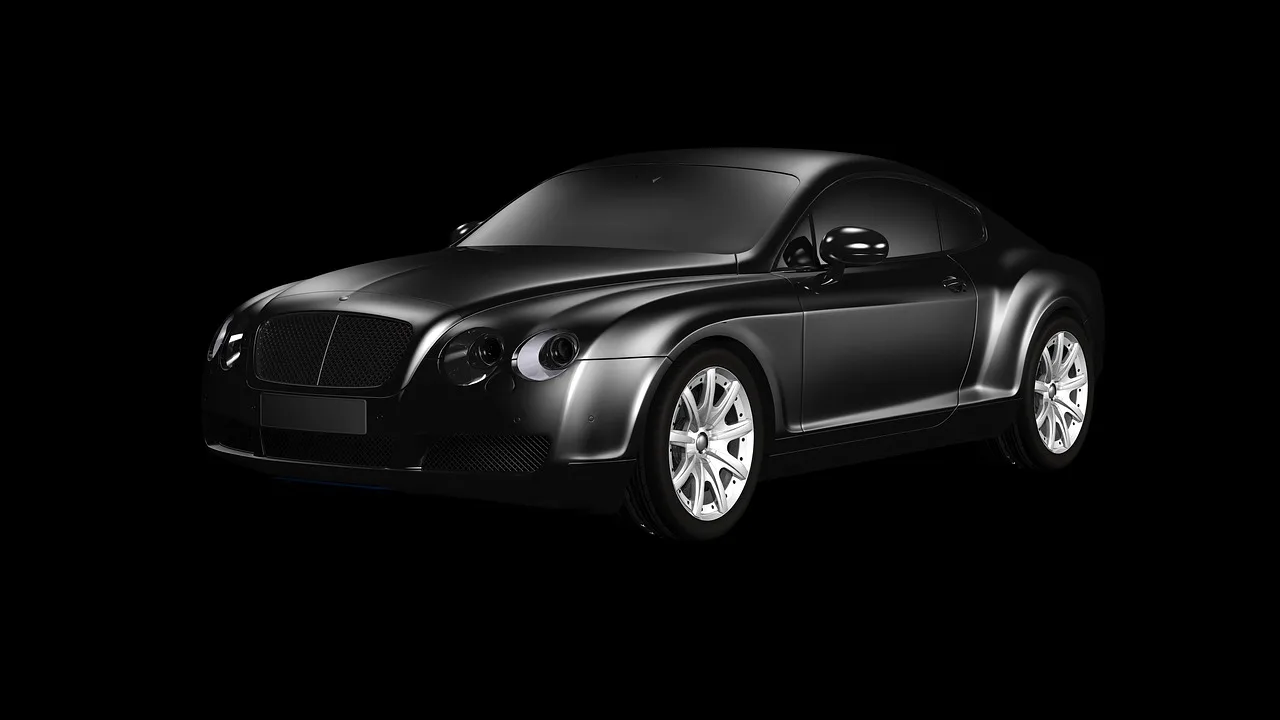
Honda Cars India officially launched the 2026 Honda City facelift this week, introducing a refreshed aesthetic and updated feature set to the domestic mid-size sedan market. Starting at an ex-showroom price of Rs 12 lakh, the updated model aims to reclaim segment dominance by directly challenging rivals such as the Hyundai Verna, Skoda Slavia, and Volkswagen Virtus.
Market Context and Competitive Positioning
The mid-size sedan segment in India has witnessed a resurgence, driven by consumers seeking a balance between performance, safety, and executive styling. Despite the growing popularity of compact SUVs, the Honda City has remained a cornerstone of the brand’s portfolio since its initial entry into the market.
The 2026 update arrives as Honda attempts to modernize its offerings amidst intensifying competition. While the Verna, Slavia, and Virtus have recently introduced turbocharged engines and advanced driver-assistance systems, Honda is banking on the City’s reputation for reliability and interior ergonomics to maintain its market share.
Design Evolution and Interior Enhancements
The 2026 iteration features a revised exterior profile, characterized by a sharpened front grille and redesigned LED headlamp clusters that provide a more aggressive stance. Subtle character lines along the side profile and updated alloy wheel designs further differentiate this model from its predecessor.
Inside the cabin, Honda has focused on digital integration and passenger comfort. The infotainment system receives a software upgrade for faster processing, while the cabin introduces premium upholstery materials and enhanced ambient lighting. These adjustments are designed to appeal to the growing demographic of tech-savvy professionals who prioritize connectivity during their daily commutes.
Technical Specifications and Performance
Under the hood, the 2026 Honda City retains its refined 1.5-liter i-VTEC petrol engine, known for its linear power delivery and fuel efficiency. Industry analysts note that Honda has optimized the powertrain for better low-end torque, addressing previous feedback regarding city-driving responsiveness.
Safety remains a focal point, with the inclusion of Honda SENSING technology across more variants. This suite includes collision mitigation braking, adaptive cruise control, and lane-keeping assist, positioning the vehicle as one of the safer options in the segment. According to recent automotive data, safety features are now the primary decision-making factor for over 60% of sedan buyers in the Indian market.
Industry Implications and Future Outlook
The aggressive pricing strategy suggests that Honda is prioritizing market volume over high margins in the short term. By positioning the base model at Rs 12 lakh, the company is attempting to undercut high-end trims of its European competitors while providing a more comprehensive standard feature list.
Looking ahead, the success of the 2026 City will serve as a bellwether for the future of the sedan segment in India. Market observers will be watching to see if this refresh can stall the migration of sedan buyers toward the SUV category. Future updates are expected to focus heavily on hybrid powertrain integration as fuel prices fluctuate and emission norms become increasingly stringent.