


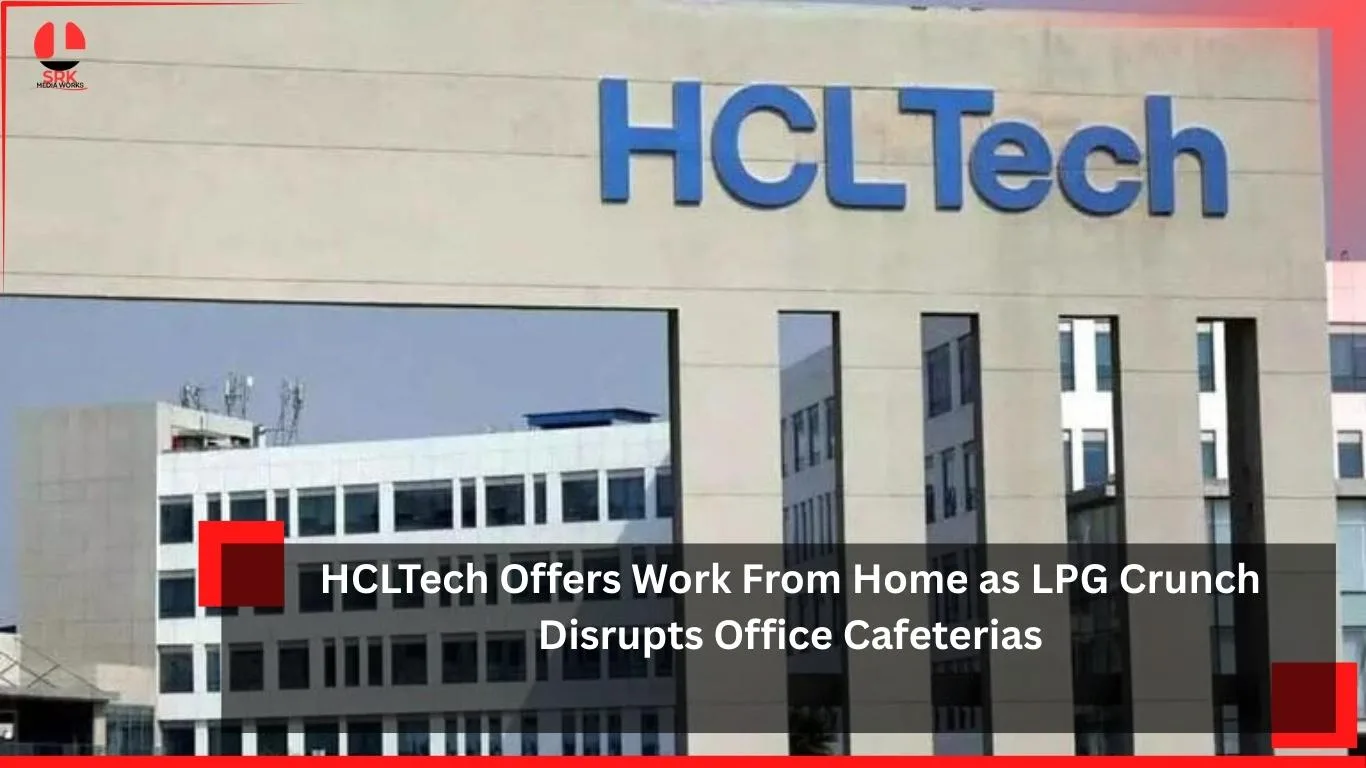
In a surprising development, HCLTech has announced temporary work-from-home (WFH) arrangements for employees after a shortage of liquefied petroleum gas (LPG) disrupted operations in its office cafeterias. The move highlights how even non-core infrastructure issues can impact workplace dynamics in large IT companies, prompting flexible responses to ensure employee well-being and productivity.
Why the LPG Crunch Matters
1. Employee Welfare
Office cafeterias play a crucial role in supporting thousands of employees daily. The LPG shortage has disrupted food services, making it difficult to maintain regular operations.
2. Operational Continuity
Rather than forcing employees to manage without adequate facilities, HCLTech opted for WFH to ensure uninterrupted productivity.
3. Flexibility in IT Sector
The decision reflects the IT industry’s ability to adapt quickly to unforeseen challenges, leveraging remote work infrastructure built during the pandemic.
Impact on Employees
- Employees can continue working without worrying about food arrangements at offices.
- Remote work ensures minimal disruption to project timelines.
- The move reinforces HCLTech’s employee-first approach.
Financial and Operational Snapshot
| Metric | FY25 Value | FY26 Value | FY27 Projection | Growth Potential |
|---|---|---|---|---|
| Revenue (USD Billion) | 13.5 | 14.8 | 16.2 | +20% |
| Employees (Global) | 225,000 | 230,000 | 240,000 | +6.6% |
| WFH Adoption (%) | 40 | 35 | 30 | Gradual decline post-pandemic |
| Cafeteria Dependency (%) | 70 | 68 | 65 | Reduced with hybrid models |
Sectoral Comparison: IT Firms’ Flexibility
| Company | WFH Adoption (%) | Cafeteria Dependency (%) | Response to Disruptions |
|---|---|---|---|
| HCLTech | 35 | 68 | Temporary WFH offered |
| Infosys | 30 | 70 | Hybrid adjustments |
| TCS | 25 | 72 | Onsite catering backups |
| Wipro | 28 | 65 | Vendor partnerships |
This comparison shows HCLTech leading in proactive employee-centric measures during disruptions.
Analytical Pivot: Workplace Adaptation Timeline
| Year | Milestone | Impact |
|---|---|---|
| 2020 | Pandemic-driven WFH adoption | Remote infrastructure built |
| 2022 | Hybrid work introduced | Balanced flexibility |
| 2025 | Cafeteria modernization | Enhanced employee services |
| 2026 | LPG crunch, WFH offered | Employee welfare prioritized |
Broader Implications
- Supply Chain Sensitivity: Even non-core supplies like LPG can affect large organizations.
- Hybrid Work Resilience: IT firms can quickly switch to remote work when physical infrastructure faces challenges.
- Employee-Centric Culture: Decisions prioritize comfort and productivity over rigid office attendance.
Challenges Ahead
- Sustainability of WFH: Long-term reliance on remote work may affect collaboration.
- Vendor Management: Ensuring reliable LPG supply chains is critical.
- Cost Implications: Temporary disruptions may increase operational costs.
Long-Term Outlook
HCLTech’s response to the LPG crunch demonstrates the resilience of India’s IT sector. With robust digital infrastructure and flexible policies, companies can manage unexpected disruptions without compromising productivity. The incident also highlights the importance of diversifying supply chains and investing in sustainable energy alternatives for corporate campuses.
Conclusion
The decision by HCLTech to offer work-from-home amid an LPG crunch disrupting office cafeterias reflects the adaptability of India’s IT industry. By prioritizing employee welfare and leveraging remote work capabilities, the company has ensured business continuity while reinforcing its reputation as a people-first organization.
Disclaimer
This article is based on industry insights and operational updates. The figures and interpretations are intended for informational purposes only and should not be considered financial or investment advice. Readers are encouraged to consult professional experts before making business or investment decisions.