









Rising Fuel Costs Impact Consumers
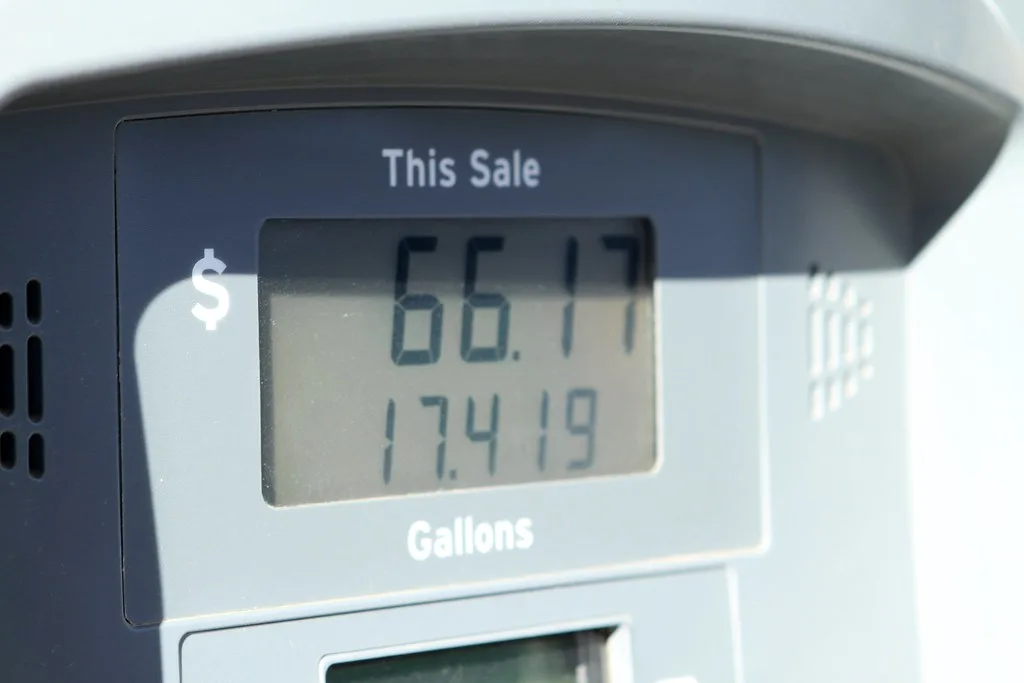
Motorists and commuters across the country are facing immediate financial pressure as fuel prices saw a sharp increase this week, with petrol and diesel rising by Rs 3 per liter and Compressed Natural Gas (CNG) climbing by Rs 2 per unit. The hike, which took effect immediately, follows a period of sustained global crude oil price volatility and shifting currency valuations that have strained domestic oil marketing companies. While piped natural gas prices remain temporarily stable, market analysts warn that the current upward trajectory suggests further price adjustments may be necessary in the coming weeks.
The Context of Global Energy Markets
This latest price hike occurs against a backdrop of complex global energy dynamics, where supply chain disruptions and geopolitical tensions have consistently pressured oil prices. Domestic fuel pricing in many regions is linked to international benchmarks, meaning that when global crude prices rise, domestic retailers often pass those costs on to consumers to mitigate margin losses. Historically, these adjustments are implemented to stabilize the accounts of oil marketing companies that have struggled to balance international procurement costs with domestic pricing regulations.
Analyzing the Market Impact
The increase in petrol and diesel prices hits the logistics and transportation sectors the hardest, as fuel represents a significant portion of operational expenditure for fleet operators. Industry experts suggest that these costs will likely ripple through the supply chain, potentially increasing the retail prices of essential goods and services. For the average commuter, the Rs 3 increase represents a tangible reduction in disposable income, forcing many households to reconsider travel patterns and vehicle usage.
Expert Perspectives on Future Trends
Energy analysts point to the widening gap between state-controlled pricing mechanisms and the actual cost of importing crude oil as a primary driver for these hikes. According to data from recent market reports, the current trend of periodic, incremental increases is a strategy used by retailers to avoid massive, one-time price shocks. However, economists argue that while this strategy provides a buffer for the industry, it creates significant uncertainty for small businesses and low-income households that rely on consistent fuel pricing for daily operations.
Implications for Consumers and Industry
The immediate consequence of these rising costs is a heightened urgency for the adoption of alternative fuel vehicles and fuel-efficient driving practices. Businesses are now evaluating their logistics routes to maximize fuel efficiency, while public transport authorities may face increased demand as private vehicle owners look for cheaper alternatives. Looking ahead, stakeholders should monitor global crude oil benchmarks and government policy shifts, as any further escalation in global energy prices will likely necessitate additional domestic revisions. Analysts suggest watching for potential government interventions or subsidies that could mitigate the burden on sectors most vulnerable to energy price volatility in the next fiscal quarter.