




The End of Price Stability
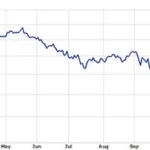
State-owned oil marketing companies (OMCs) have officially resumed daily fuel price adjustments this week, ending a 76-day period of cost absorption that had shielded consumers from global market volatility. This shift, confirmed by government sources, marks a return to dynamic pricing as OMCs move to align domestic retail rates with the sustained fluctuations in international crude oil markets.
Context of the Global Energy Crisis
For the past two and a half months, Indian OMCs had largely absorbed rising input costs to stabilize the domestic market. Unlike many major economies that passed the full brunt of energy inflation onto consumers during recent crises, India maintained a policy of cushioning the impact on households and businesses. This period of stability was aimed at curbing inflationary pressures, though the latest revision suggests that the fiscal burden of such absorption has become unsustainable for state-run entities.
State-Wise Variations and Tax Policy
The revised pricing structure has brought sharp regional disparities to the forefront, primarily driven by varying Value Added Tax (VAT) rates implemented by state governments. Despite OMCs following a unified base pricing model, the final retail cost for consumers varies significantly based on local tax regimes. Consequently, petrol prices have now surged past the Rs 112 per litre mark in states like Andhra Pradesh, Telangana, and Kerala.
Conversely, states governed by the BJP in northern and western India continue to report relatively lower prices. Government data indicates that petrol remains at or below Rs 102 per litre in regions including Gujarat, Uttar Pradesh, Delhi, Haryana, Goa, and Assam. This trend highlights how state-level fiscal policies remain the decisive factor in the final price paid at the pump.
Economic Impact and Expert Perspectives
Industry analysts note that while the current upward adjustment is relatively modest—averaging just under Rs 5 per litre—it signals a broader transition toward market-linked pricing. Government officials emphasize that this increase remains among the smallest globally when compared to the aggressive hikes seen in other major fuel-importing nations. However, the move is expected to have a cascading effect on logistics and transportation costs, potentially impacting the broader Consumer Price Index (CPI) in the coming months.
Future Outlook and Market Monitoring
As OMCs return to regular price revisions, stakeholders are now closely monitoring global crude benchmarks and the potential for further adjustments in state-level VAT. The sustainability of retail prices will depend on the interplay between international supply chain developments and domestic fiscal capacity. Consumers and industry players alike should expect continued price sensitivity as the market adjusts to the removal of the previous price-stabilization measures.