


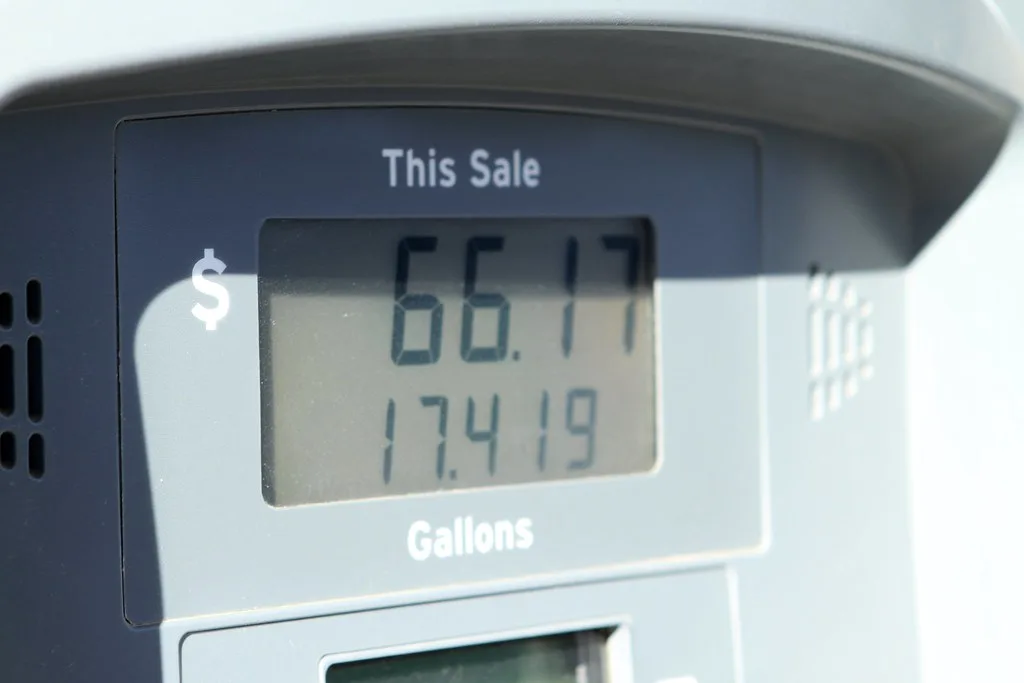
State-run oil marketing companies in India have increased fuel prices for the third time in ten days, signaling a persistent upward trend in retail energy costs across the nation. This latest adjustment comes as public sector units (PSUs) struggle to balance global crude oil volatility against domestic retail rates, currently absorbing losses of approximately Rs 13 per litre on petrol and Rs 38 per litre on diesel.
The Context of Market Volatility
The recent price hikes reflect a broader global energy crisis, compounded by geopolitical instability and supply chain disruptions. During periods of high international crude prices, state-run firms traditionally act as a buffer for the consumer, holding retail prices steady even when their own procurement costs rise.
However, the current disparity between the cost of refining crude oil and the retail selling price has reached a critical threshold. Economists note that when these firms sustain deep losses, it limits their capacity to invest in infrastructure and renewable energy transitions.
Analyzing the Financial Strain on PSUs
The financial pressure on state-run retailers is reaching record levels. Industry analysts point out that the current under-recovery—the difference between the cost of fuel and the price sold to consumers—has made the current pricing model unsustainable for long-term operations.
Data from market analysts suggests that if these state-run firms continue to absorb losses of this magnitude, their quarterly balance sheets will show significant deficits. The government, which typically regulates these prices, is now faced with the choice of either passing the full burden to the public or implementing fiscal interventions such as excise duty cuts.
Broader Economic Implications
The rising cost of fuel has a cascading effect on the broader economy, particularly in the logistics and transportation sectors. Because diesel is the primary fuel for commercial trucking, sustained price increases inevitably lead to higher freight costs, which are ultimately passed on to the end consumer through more expensive essential goods.
Inflationary pressures are already being felt in food and manufacturing industries. As transport costs rise, the retail price of perishables and industrial raw materials often follows suit, creating a ripple effect that complicates monetary policy for the central bank.
Future Outlook and Trends
Market observers are closely watching the upcoming fiscal updates to see if the government will intervene to stabilize the market. The duration of this current price hike cycle remains uncertain, as it is tethered to the fluctuating prices of Brent crude on the international exchange.
Industry experts suggest that consumers should prepare for continued volatility in the near term. The next phase to monitor involves potential shifts in energy policy, as policymakers weigh the necessity of fiscal consolidation against the need to protect households from runaway inflation.