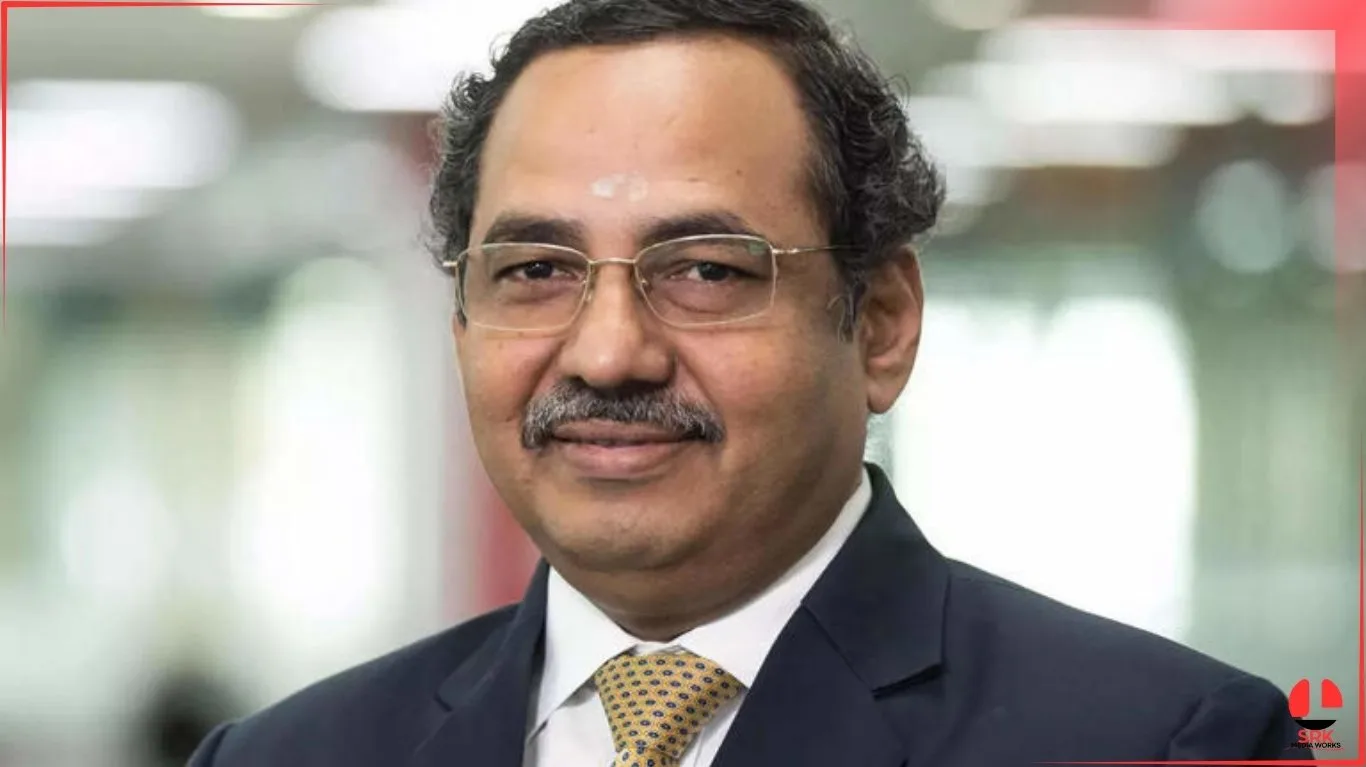






India’s financial landscape has undergone a seismic transformation since the Covid-19 pandemic, reshaping how households save, invest, and manage wealth. For decades, fixed deposits (FDs), gold, and real estate were the dominant choices for Indian investors, offering safety and certainty. However, the post-pandemic era has seen a dramatic shift toward equities, mutual funds, and market-linked instruments, a change highlighted by Zerodha’s co-founder Nithin Kamath.
Kamath explains that the pandemic accelerated financial awareness, digital adoption, and retail participation, leading to over 11 crore unique investors entering the markets. This surge has redefined India’s capital markets, making equities and mutual funds mainstream investment avenues.
The Pre-Covid Investment Mindset
Before 2020, Indian households largely preferred:
- Fixed Deposits (FDs): Safe, guaranteed returns, though modest.
- Gold: A traditional hedge against inflation and uncertainty.
- Real Estate: Considered a long-term wealth creator and status symbol.
- Limited Equity Exposure: Direct stock investing was seen as risky and complex.
Post-Covid Transformation
The pandemic disrupted traditional investment behavior, pushing investors toward digital platforms and market-linked products.
Key Shifts Observed
- Retail Participation Boom: Millions of first-time investors entered equities.
- Mutual Fund Growth: Systematic Investment Plans (SIPs) became popular.
- Digital Platforms: Brokers like Zerodha enabled easy access to markets.
- Diversification: Investors began balancing FDs and real estate with equities.
Comparative Investment Trends
| Investment Avenue | Pre-Covid Preference | Post-Covid Preference | Current Outlook |
|---|---|---|---|
| Fixed Deposits | Very High | Moderate | Declining |
| Real Estate | High | Moderate | Stable |
| Gold | High | Moderate | Hedge Only |
| Equities | Low | High | Rising |
| Mutual Funds | Moderate | Very High | Strong Growth |
Why the Shift Happened
- Low FD Returns: Interest rates fell, making FDs less attractive.
- Digital Access: Online trading apps simplified investing.
- Financial Literacy: Social media and fintech platforms educated investors.
- Market Performance: Indian equities delivered strong post-pandemic returns.
- Government Push: Policies encouraged capital market participation.
Insights from Nithin Kamath
Kamath emphasizes that while mutual funds have seen explosive growth, direct equity participation remains steady but slower. He notes that the structural change in household savings patterns is reshaping India’s financial ecosystem.
Broader Economic Impact
The shift from traditional savings to equities has implications for:
- Capital Formation: More funds flow into productive enterprises.
- Financial Inclusion: Millions of new investors gain access to wealth creation.
- Market Depth: Increased liquidity strengthens India’s stock markets.
- Risk Appetite: Households are more open to calculated financial risks.
Sectoral Investment Preferences
| Sector | Investor Interest Post-Covid |
|---|---|
| Technology | Very High |
| Pharmaceuticals | High |
| Banking & Finance | Moderate |
| Real Estate | Stable |
| Renewable Energy | Rising |
Challenges Ahead
Despite the positive transformation, challenges remain:
- Investor Education: Preventing uninformed speculation.
- Market Volatility: Ensuring long-term discipline.
- Regulatory Oversight: Protecting retail investors.
- Wealth Inequality: Ensuring access across demographics.
Conclusion
The Covid-19 pandemic acted as a catalyst for change in India’s investment culture. From FDs and real estate to equities and mutual funds, Indian households have embraced a new era of financial participation. As Nithin Kamath explains, this transformation is not just about numbers—it is about structural shifts in savings behavior, digital adoption, and financial empowerment.
India’s markets are now more inclusive, dynamic, and future-ready, with equities playing a central role in wealth creation.
Disclaimer
This article is intended for informational and educational purposes only. While every effort has been made to ensure accuracy, the content is based on publicly available information and industry insights. Readers are advised to verify details independently before making financial or investment decisions.