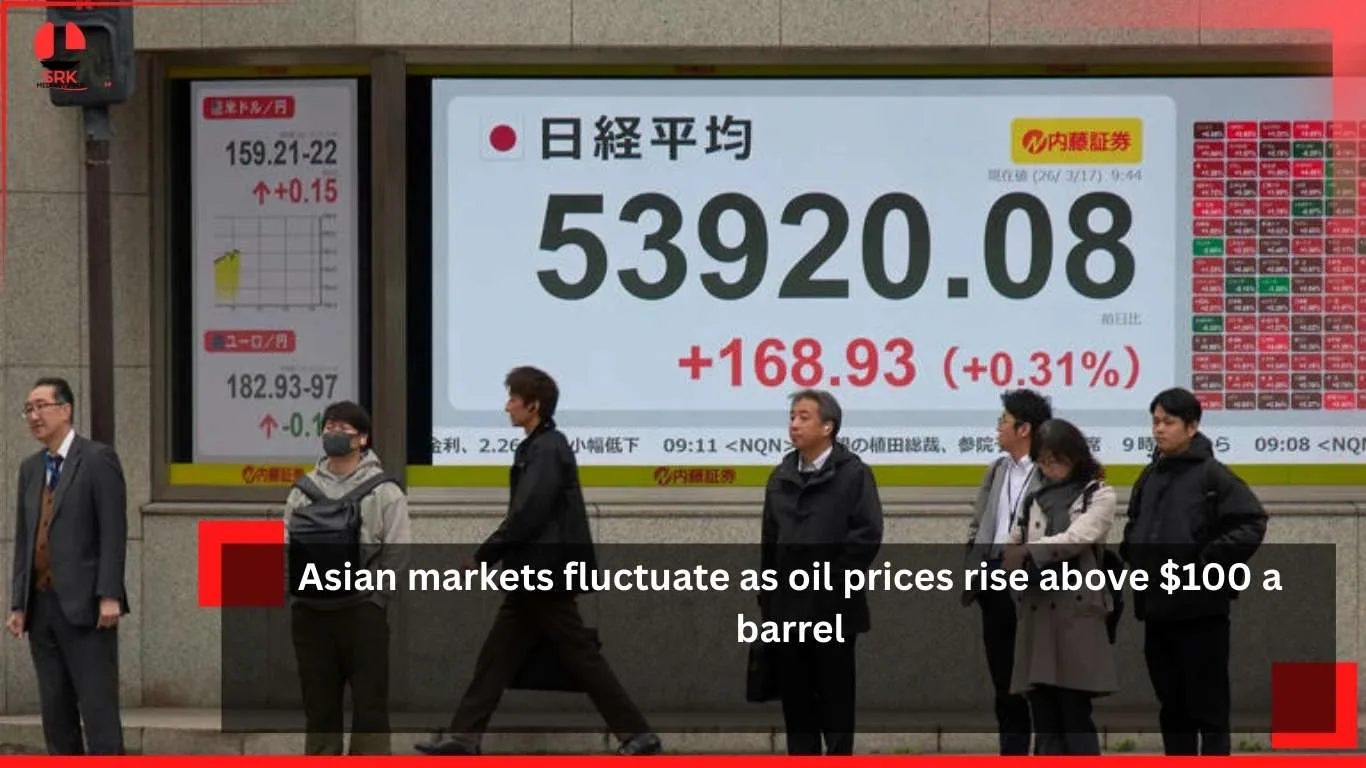






India’s benchmark equity index, the Nifty 50, has suffered its steepest two-week decline since the COVID-19 market crash of 2020, driven largely by aggressive foreign selloffs in financial stocks. The rout has rattled investor confidence, raising concerns about the resilience of India’s capital markets amid global uncertainty.
Context of the Market Decline
The Nifty 50, which represents the performance of India’s top 50 listed companies, has been under heavy pressure as foreign institutional investors (FIIs) pulled out significant funds from banking, insurance, and non-banking financial companies (NBFCs). Analysts attribute the selloff to global risk aversion, rising interest rates in developed markets, and concerns over asset quality in Indian lenders.
Key Highlights
- Worst fortnight since 2020 COVID crash.
- Financial stocks hit hardest, dragging down overall index.
- Foreign institutional investors (FIIs) recorded heavy outflows.
- Domestic investors attempted to cushion losses, but sentiment remains weak.
Sector-Wise Impact
| Sector | Performance | Impact |
|---|---|---|
| Banking | Sharp decline | Asset quality concerns |
| Insurance | Moderate decline | Weak premium growth |
| NBFCs | Heavy selling | Liquidity worries |
| IT | Mild correction | Global demand slowdown |
| FMCG | Stable | Defensive buying by investors |
Comparative Analysis of Market Downturns
| Period | Trigger | Nifty 50 Decline | Recovery Timeline |
|---|---|---|---|
| 2020 | COVID-19 pandemic | 35% | 6 months |
| 2022 | Global inflation fears | 12% | 3 months |
| 2026 | Foreign selloff in financials | 15% (fortnight) | Yet to stabilize |
Broader Implications
The selloff highlights vulnerabilities in India’s financial sector:
- Dependence on FIIs: Heavy reliance on foreign capital inflows.
- Asset Quality Concerns: Rising non-performing assets (NPAs) in banks.
- Global Risk Factors: US interest rate hikes and geopolitical tensions.
- Investor Sentiment: Retail investors cautious despite long-term optimism.
Economic Impact
- Market Capitalization: Significant erosion in financial sector valuations.
- Currency Pressure: Rupee weakened due to capital outflows.
- Bond Market: Yields rose as investors sought safer assets.
- Global Perception: India seen as vulnerable to external shocks.
Future Outlook
Analysts believe stabilization will depend on:
- Domestic demand resilience to offset foreign outflows.
- Policy support from the Reserve Bank of India (RBI).
- Corporate earnings recovery in financials.
- Global market trends including US monetary policy and oil prices.
Conclusion
The Nifty 50’s worst fortnight since the COVID-19 crash underscores the fragility of markets when foreign investors retreat. While India’s long-term growth story remains intact, the current selloff in financials serves as a reminder of the risks posed by global volatility and sector-specific challenges.
Disclaimer: This article is intended for informational purposes only. It provides an overview of the recent Nifty 50 decline and its implications. The content does not represent official communication from stock exchanges or regulatory authorities, and readers are advised to consult verified financial reports for precise details.