


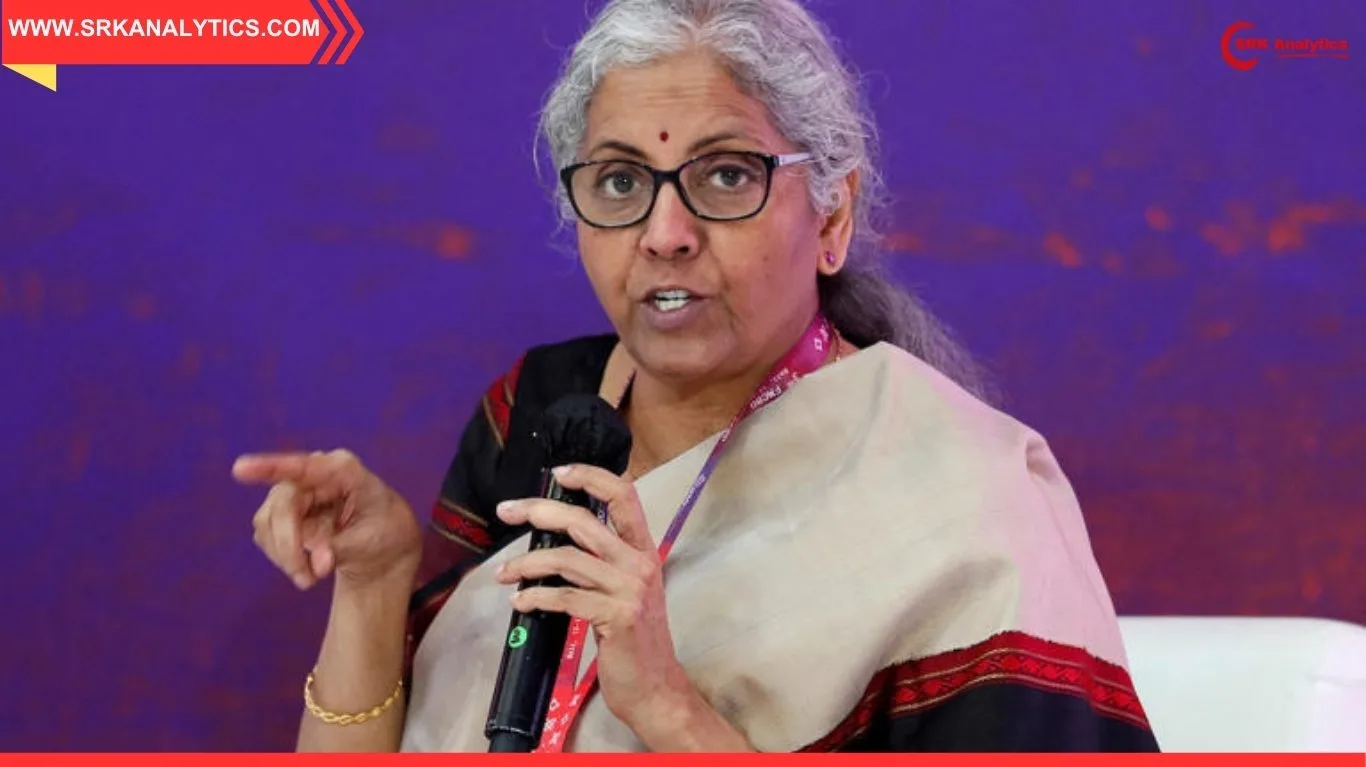
Union Finance Minister Nirmala Sitharaman has reiterated the government’s commitment to building world-class banks in India, stating that the country needs large, dynamic financial institutions to support its expanding economy. Speaking at the 12th SBI Banking and Economics Conclave in Mumbai on November 6, 2025, Sitharaman emphasized that discussions are actively underway with the Reserve Bank of India (RBI) and leading banks to create an ecosystem conducive to scale, innovation, and global competitiveness.
The minister’s remarks come amid ongoing reforms in the banking sector, including consolidation of public sector banks, strategic disinvestment in IDBI Bank, and a push for digital transformation. Sitharaman clarified that the goal is not merely to amalgamate existing banks but to foster an environment where new and existing institutions can grow into global players.
🧠 Key Highlights from FM Sitharaman’s Address
| Theme | Details |
|---|---|
| Event | 12th SBI Banking and Economics Conclave |
| Location | Mumbai |
| Date | November 6, 2025 |
| Core Message | India needs big, world-class banks |
| Stakeholders Involved | RBI, public and private banks |
| Reform Focus | Scale, innovation, financial inclusion, global competitiveness |
Sitharaman also urged banks to deepen credit flow and support the virtuous investment cycle triggered by GST rate cuts.
📊 Comparative Snapshot – India vs Global Banking Giants
| Country | Top Bank by Assets | Total Assets (USD Trillion) | Global Ranking |
|---|---|---|---|
| China | ICBC | 5.7 | 1 |
| USA | JPMorgan Chase | 4.1 | 2 |
| Japan | Mitsubishi UFJ Financial | 3.2 | 5 |
| India | State Bank of India (SBI) | 0.8 | 43 |
India’s top banks lag behind global peers in terms of asset size, international reach, and innovation.
📈 Timeline of Banking Sector Reforms in India
| Year | Reform/Event Description | Impact |
|---|---|---|
| 2017 | Merger of SBI with associate banks | Created India’s largest bank |
| 2019 | Strategic sale of IDBI Bank stake to LIC | Initiated privatisation |
| 2020 | Consolidation of 10 PSBs into 4 | Improved operational efficiency |
| 2023 | Launch of Digital Banking Units | Boosted financial inclusion |
| 2025 | FM calls for world-class banks | Signals next phase of reform |
The government is now focused on building scale and global competitiveness.
🗣️ Reactions from Industry and Policy Experts
| Stakeholder | Commentary Summary |
|---|---|
| RBI Officials | “We are aligned with the vision for scalable banking institutions.” |
| Bank Executives | “Need capital infusion and regulatory flexibility to grow globally.” |
| Trade Unions | “Privatisation must not compromise financial inclusion.” |
| Economists | “India’s banking sector must evolve to support $5 trillion economy.” |
The announcement has sparked renewed debate on balancing reform with inclusion and stability.
📌 Strategic Pillars for Building World-Class Banks
| Pillar | Required Action |
|---|---|
| Capital Adequacy | Infusion from government and private investors |
| Technology Integration | AI, blockchain, and cloud-based banking |
| Global Expansion | Overseas branches and partnerships |
| Talent Development | Upskilling and leadership pipelines |
| Regulatory Support | Flexible frameworks for innovation and growth |
These pillars are essential to transform Indian banks into global financial powerhouses.
📌 Conclusion
Finance Minister Nirmala Sitharaman’s call for world-class banks reflects India’s ambition to match its economic growth with robust financial infrastructure. With discussions underway between the government, RBI, and banking institutions, the roadmap for reform is clear: scale, innovation, and global reach. As India moves toward becoming a $5 trillion economy, its banking sector must evolve to meet the demands of a dynamic and interconnected world.
Disclaimer: This article is based on publicly available speeches, government statements, and financial sector reports. It is intended for informational and editorial purposes only and does not constitute financial or investment advice.