



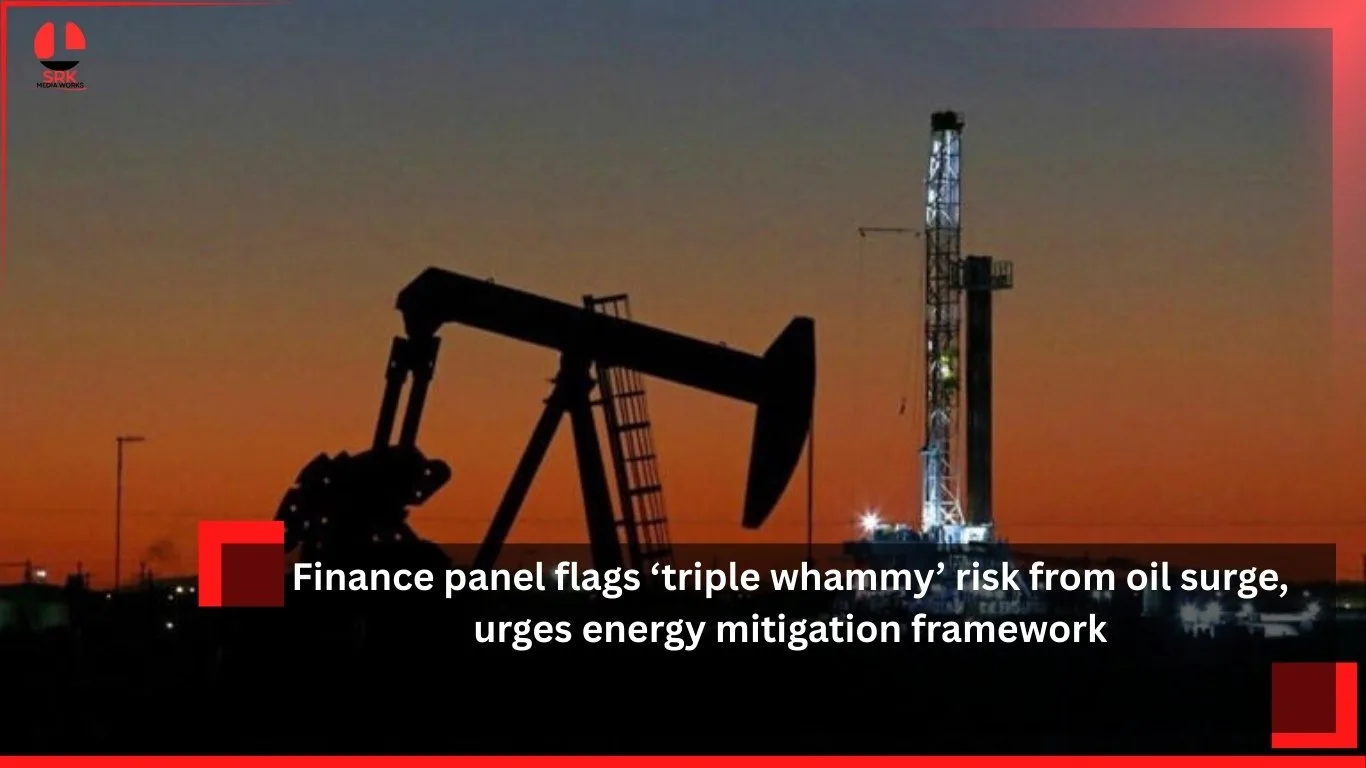
India’s economic planners are sounding the alarm over rising global oil prices, with the Finance Panel warning of a ‘triple whammy’ risk that could destabilize the country’s fiscal balance, trade dynamics, and inflation trajectory. The panel has urged the creation of a comprehensive energy mitigation framework to shield the economy from external shocks and ensure long-term sustainability.
Understanding the ‘Triple Whammy’ Risk
The term ‘triple whammy’ refers to three interconnected risks that India faces due to surging oil prices:
- Fiscal Pressure: Higher oil import bills strain government finances, increasing subsidies and widening deficits.
- Trade Imbalance: Rising crude costs worsen the current account deficit, impacting foreign exchange reserves.
- Inflationary Surge: Elevated fuel prices ripple across sectors, raising transportation, manufacturing, and consumer costs.
This combination creates a dangerous cycle that can slow growth, weaken currency stability, and reduce investor confidence.
Why Oil Prices Matter for India
India is one of the world’s largest importers of crude oil, with nearly 85% of its demand met through imports. Any surge in global oil prices directly impacts:
- Government Budgets: Increased subsidy burdens on fuel and fertilizers.
- Industry Costs: Higher input costs for manufacturing and logistics.
- Consumer Prices: Rising inflation in food, transport, and essential goods.
- Currency Stability: Pressure on the rupee due to higher foreign exchange outflows.
Comparative Analysis of Risks and Mitigation
| Aspect | Risk from Oil Surge | Proposed Mitigation |
|---|---|---|
| Fiscal Deficit | Rising subsidies, widening gap | Diversify energy sources, rationalize subsidies |
| Trade Deficit | Higher import bills | Boost renewable energy exports, reduce dependency |
| Inflation | Rising consumer prices | Strategic reserves, price stabilization mechanisms |
| Currency Stability | Rupee depreciation | Strengthen forex reserves, hedging strategies |
| Long-Term Growth | Slower industrial output | Invest in clean energy infrastructure |
Pivot Analysis: Short-Term vs. Long-Term Measures
| Dimension | Short-Term Measures | Long-Term Measures |
|---|---|---|
| Price Control | Subsidies, tax adjustments | Transition to renewable energy |
| Supply Security | Strategic oil reserves | Domestic energy production expansion |
| Inflation Management | Monetary tightening | Energy diversification |
| Fiscal Stability | Temporary deficit financing | Structural reforms in energy pricing |
| Sustainability | Immediate relief | Green energy transition |
Energy Mitigation Framework – Proposed Elements
The Finance Panel has recommended a structured framework to mitigate risks:
- Diversification of Energy Sources: Expanding solar, wind, and nuclear energy to reduce oil dependency.
- Strategic Oil Reserves: Building and maintaining reserves to cushion against price shocks.
- Policy Coordination: Aligning fiscal, monetary, and energy policies for stability.
- Technology Adoption: Encouraging electric mobility and hydrogen fuel development.
- Global Partnerships: Securing long-term supply contracts and exploring joint ventures in energy exploration.
Broader Implications for India
The oil surge and the panel’s recommendations carry significant implications:
- Economic Stability: A robust framework can protect India’s growth trajectory.
- Energy Security: Reduced reliance on imports strengthens national resilience.
- Environmental Benefits: Transition to renewables aligns with climate goals.
- Global Positioning: India can emerge as a leader in sustainable energy innovation.
Challenges Ahead
Despite the proposed framework, challenges remain:
- High upfront costs of renewable infrastructure.
- Policy coordination across states and sectors.
- Global volatility in oil markets beyond India’s control.
- Balancing short-term relief with long-term sustainability.
Future Outlook
The Finance Panel’s warning highlights the urgency of energy reforms. Over the next decade, India could witness:
- A gradual shift toward renewable energy dominance.
- Stabilization of fiscal and trade balances through diversification.
- Reduced inflationary shocks from global oil volatility.
- Emergence of India as a global hub for clean energy innovation.
The ‘triple whammy’ risk is real, but with a proactive energy mitigation framework, India can safeguard its economy while advancing toward sustainability.
Disclaimer
This article is intended for informational purposes only. It highlights recent observations and recommendations by the Finance Panel regarding oil price risks and energy mitigation strategies. The content does not constitute financial advice, investment guidance, or official government policy. Readers should independently verify details before making financial or business decisions.