





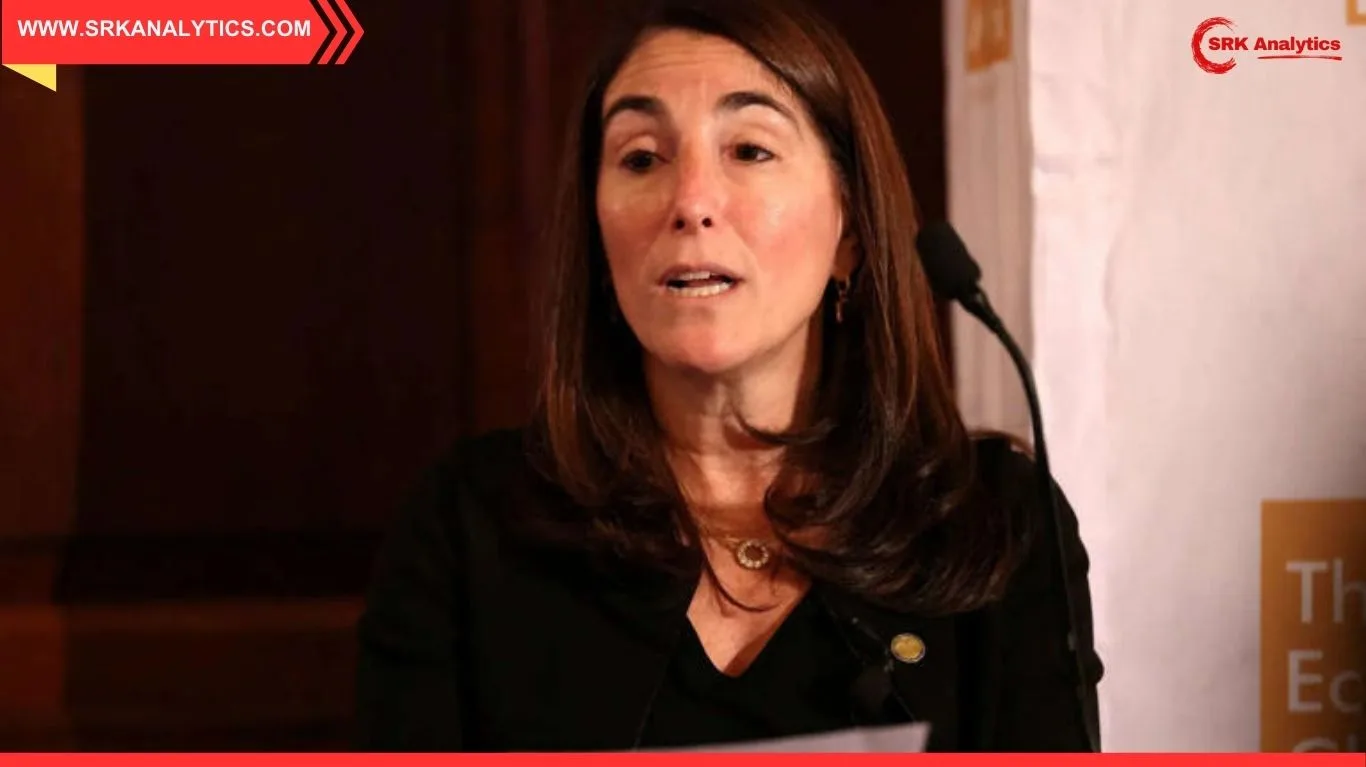
The Federal Reserve continues to face a delicate balancing act as inflation remains stubbornly above its long-term target. In recent remarks, Federal Reserve policymaker Hammack stated that he would prefer a tighter monetary policy stance given the risks posed by persistently high inflation. His comments highlight the ongoing debate within the Federal Open Market Committee (FOMC) about whether the central bank should maintain its current trajectory of rate cuts or adopt a more hawkish approach to safeguard price stability.
The short headline, “FED’s Hammack would prefer tighter policy given too high inflation”, captures the essence of this debate and reflects the growing tension between inflation control and economic growth.
Background of Hammack’s Position
- Hammack emphasized that inflation remains too high relative to the Fed’s 2% target, particularly in core services and housing.
- He argued that loosening policy prematurely could reignite inflationary pressures, undermining the progress achieved over the past two years.
- His stance aligns with the more hawkish members of the FOMC, who prioritize long-term stability over short-term growth.
Inflationary Pressures in the U.S.
- Housing costs continue to rise, contributing significantly to core inflation.
- Services inflation remains sticky, driven by wage growth and strong demand.
- Energy prices have shown volatility, adding uncertainty to inflation forecasts.
- Supply chain disruptions and geopolitical tensions further complicate the inflation outlook.
Market Reaction to Hammack’s Comments
| Market Segment | Immediate Impact | Longer-Term Outlook |
|---|---|---|
| U.S. Equities | Mixed, defensive sectors gained | Volatility expected if Fed tightens |
| Bond Market | Yields rose slightly | Hawkish stance may push yields higher |
| Commodities (Gold, Oil) | Gold strengthened | Oil prices sensitive to inflation-driven demand |
| Currency Markets | Dollar firmed | Stronger dollar likely if Fed tightens |
Policy Preferences
| Policy Stance | Supporters | Key Arguments | Market Perception |
|---|---|---|---|
| Looser Policy (Rate Cuts) | Majority | Stimulate growth, support labor market | Short-term relief for equities |
| Tighter Policy (Hammack) | Minority | Inflation risk, long-term stability | Seen as cautious, inflation hawkish |
This pivot analysis highlights the divide within the Fed and how markets interpret the balance between growth and inflation control.
Why Hammack’s View Matters
- Signals caution: His preference for tighter policy suggests inflation risks remain significant.
- Influences expectations: Markets closely watch dissenting voices for clues about future Fed decisions.
- Global impact: A tighter U.S. policy stance could strengthen the dollar, affecting emerging markets and global trade.
Lessons for Investors
- Prepare for volatility: Diverging Fed views create uncertainty in equities and bonds.
- Monitor inflation data: Upcoming CPI and PCE reports will shape Fed policy.
- Diversify portfolios: Exposure to commodities and defensive sectors may hedge against inflation risk.
- Global spillovers: Emerging markets remain sensitive to U.S. monetary policy shifts.
Broader Economic Context
- The Fed’s challenge lies in balancing economic growth with inflation control.
- While rate cuts provide short-term relief, inflation remains a formidable challenge.
- Hammack’s hawkish stance reflects concerns that easing too quickly could undo hard-won progress.
Conclusion
Hammack’s preference for tighter policy underscores the complexity of monetary policymaking in today’s environment. His warning about inflation risks serves as a reminder that the Fed’s path forward is far from certain. For investors, the key takeaway is vigilance: while rate cuts may provide temporary relief, inflation remains a persistent threat. Diversification and close monitoring of economic indicators are essential strategies in navigating this uncertain landscape.
Disclaimer
This article is intended for informational purposes only and does not constitute financial advice. Monetary policy decisions involve complex economic factors, and investment strategies should be tailored to individual risk profiles. Readers are encouraged to consult financial professionals before making investment decisions. The author and publisher are not liable for any losses incurred.